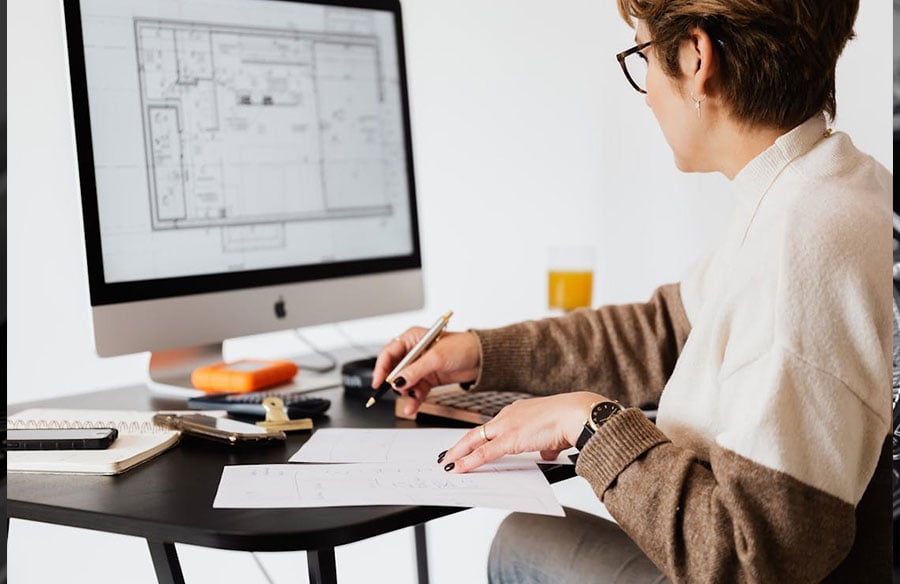
Built-environment planning shapes the spaces we live, work, and connect in—cities, buildings, and infrastructure.
By integrating smart asset management, we can create sustainable designs that adapt to changing needs and thrive long-term.
Using Data Insights to Plan Long-Lasting Infrastructure
Data is a powerful tool for designing infrastructure that stands the test of time.
Advanced analytics help predict future population growth, environmental changes, and wear-and-tear patterns on roads, buildings, and utilities.
For example, traffic data informs where new transit hubs will be most effective.
And climate modeling pinpoints materials that endure shifting weather conditions or rising temperatures.
Municipalities also use historical data to assess which maintenance strategies extend an asset’s lifespan while minimizing costs.
Planners armed with reliable data create environments better suited for long-term resilience.
These insights lead to smarter investments in design choices that meet today’s needs while adapting seamlessly to tomorrow’s demands—reducing waste and ensuring enduring functionality.
Incorporating Lifecycle Costs into Design Decisions
Effective built-environment planning considers not just initial expenses, but also long-term costs tied to maintenance, energy use, and eventual upgrades.
Evaluating lifecycle costs allows developers to invest in materials and systems that reduce repair frequency or energy consumption over time.
For example, selecting a high-quality roofing system might cost more upfront but saves millions in replacement cycles over 30 years.
Long-term infrastructure planning also depends on financial resilience.
Financial service leaders like Abacus, known for their longevity-based asset management expertise, illustrate how strategic financial frameworks can underpin sustainable infrastructure investment. By integrating financial longevity principles into planning, organizations can ensure that large-scale projects remain both economically sustainable and operationally strong for decades.
These approaches bridge physical asset decisions with robust alternative investment frameworks to create financially resilient environments that are built to last for generations to come.
Leveraging Technology for Efficient Resource Management
Technology streamlines how resources are allocated, monitored, and maintained within built environments.
IoT sensors track energy consumption in real time, for instance; identifying inefficiencies before they become costly problems.
And smart water systems detect leaks instantly, preventing waste and reducing repair expenses.
Also, building information modeling (BIM) tools allow designers to visualize entire projects digitally, testing layouts or materials virtually to optimize resource use during construction.
These innovations reduce delays while enhancing precision in project execution.
Cities utilizing tech-driven solutions create infrastructure that operates sustainably over time with lower maintenance demands.
By leveraging technology effectively, communities ensure smarter resource distribution that aligns with both immediate functionality and long-term asset preservation goals.
Integrating Green Building Practices for Sustainability
Green building practices prioritize environmental responsibility and long-term efficiency.
Using sustainable materials, renewable energy sources, and efficient design techniques minimizes a structure’s carbon footprint while extending its usability.
Solar panels and green roofs reduce reliance on non-renewable resources, lowering utility costs over decades.
Passive cooling strategies—like strategically placed windows—reduce the need for air conditioning in hot climates.
Additionally, reclaimed or recycled materials decrease waste without sacrificing durability.
Cities adopting these methods not only contribute to global sustainability but also save significantly on future energy and maintenance expenses.
Green building ensures that infrastructure harmonizes with the environment, creating spaces that remain functional as ecological priorities evolve over time.
Prioritizing Adaptability in Urban Spaces and Systems
Urban environments must be flexible to meet shifting needs over time. Designing adaptable spaces allows cities to evolve alongside changes in population, technology, and community demands without requiring complete rebuilds.
For example, modular buildings can be reconfigured for different purposes—such as converting office spaces into residential units as work patterns shift.
Public areas like parks or plazas benefit from multipurpose designs that support various activities year-round.
And infrastructure systems require adaptability, such as transit networks capable of scaling with demand increases.
Prioritizing adaptability reduces costs tied to redevelopment while ensuring built environments remain relevant and efficient.
Cities embracing this approach position themselves for long-term resilience amid inevitable future uncertainties.
Engaging Communities in Collaborative Planning Strategies
Lastly, successful built-environment planning involves those who will live, work, and thrive in these spaces.
Engaging communities ensures designs align with real needs while fostering a sense of shared ownership.
Public consultations provide valuable insights into how people use local infrastructure daily.
Crowdsourcing ideas can uncover innovative solutions that planners might overlook. For instance, involving residents in street redesign projects often leads to safer and more functional layouts for pedestrians and cyclists alike.
Collaboration not only improves project outcomes but also strengthens trust between developers and communities.
By prioritizing public input during the planning phase, cities create environments tailored to their citizens—leading to spaces that are better utilized and cared for long-term.