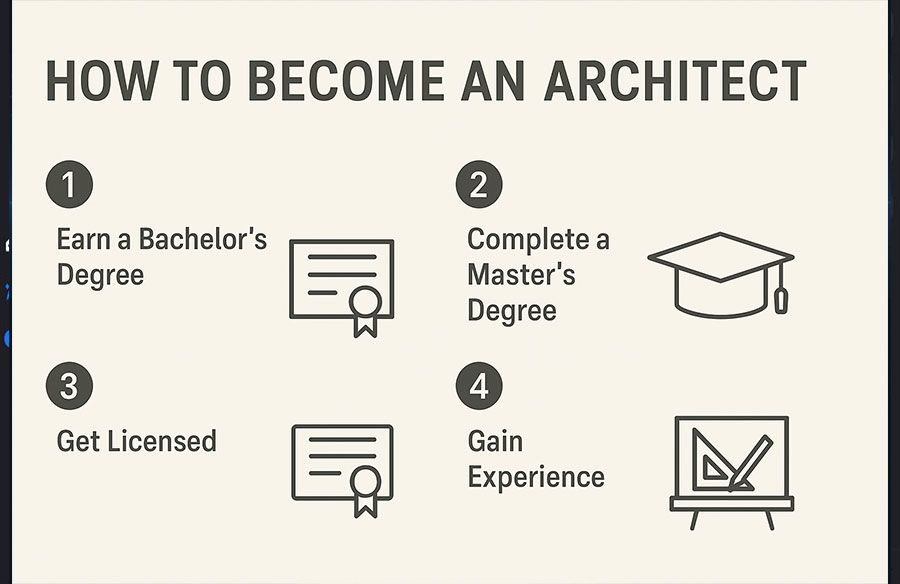
Architecture is an art that involves both creative thinking and the use of technical skills. Architects create buildings that serve their purpose and look attractive, so they need to have a blend of technical knowledge. To be an architect, you need to have the appropriate education, hands-on experience, and a professional license. The article will take you through the pathway of becoming an architect, the struggles of the first-year students, and some useful tips to help you succeed.
Daily Responsibilities of an Architect
An architect does far more than create blueprints. About 70% of the job involves planning, coordination, and technical work, while only 30% focuses on pure design. Architects lead projects from the first idea to the final inspection, making sure every building is functional, safe, and compliant with regulations. They bridge the gap between creativity and construction, turning sketches into structures people use. Here’s what most of their day includes:
- Managing projects: tracking budgets, schedules, and deadlines.
- Preparing construction documents: drawings, specifications, and 3D models.
- Meeting clients: discussing needs, revisions, and approvals.
- Collaborating with engineers and contractors: solving technical or site-related issues.
The work requires accuracy and patient. Architects must understand laws, sustainability rules, and building codes while keeping each design practical. This balance makes their education demanding — but it also gives them the knowledge to build something that lasts.
Education and Training Routes
The path to architecture has certain clearly outlined phases. With every phase, one acquires more professional skills and a deeper understanding of the design, structure, and safety. The journey is rooted in tertiary education, involves experience under supervision, and finally culminates in official registration.
- Undergraduate Studies
Most students begin with a Bachelor of Architecture (BArch) or an equivalent degree that usually takes five years. The program includes design, structure, materials, and environmental systems. Studio sessions and project reviews help students learn how to connect design concepts with real conditions. Some universities split the route into a three-year bachelor’s course followed by a two-year professional qualification that satisfies the base standard for registration.
- Postgraduate and Alternative Routes
After completing a bachelor’s degree, many continue with a Master of Architecture (MArch) to extend their professional scope and prepare for real project work. Others follow routes such as the RIBA Studio, apprenticeships, or part-time courses that allow study while employed. During these years, most students face a complex workload of project data, design records, and administrative tasks.
This stage often leads to the first need for structured online help. One tool that fits this role is Getsolved.ai, an online service that provides AI-based organization and planning support for academic and technical projects. It serves as a smart assistant that helps students arrange research notes, maintain task progress, and align project goals with submission schedules.
- Accreditation and Practical Experience
Architecture remains a regulated profession. The Royal Institute of British Architects (RIBA) validates courses in the UK, and the Architects Registration Board (ARB) issues licenses. In the US, the National Architectural Accrediting Board (NAAB) approves architecture degree programs, while the National Council of Architectural Registration Boards (NCARB) handles professional entry. Students must also complete verified work practice. In the UK, this is recorded through the Professional Experience and Development Record (PEDR); in the US, it is completed through the Architectural Experience Program (AXP).
Top Universities for Architecture
Your choice of university is a major factor in becoming an architect. Several prestigious universities provide excellent programs in design, technology, and sustainability. Below are some best:
- Massachusetts Institute of Technology (MIT) – MIT is known for its approach to architecture, blending technology, design, and urbanism.
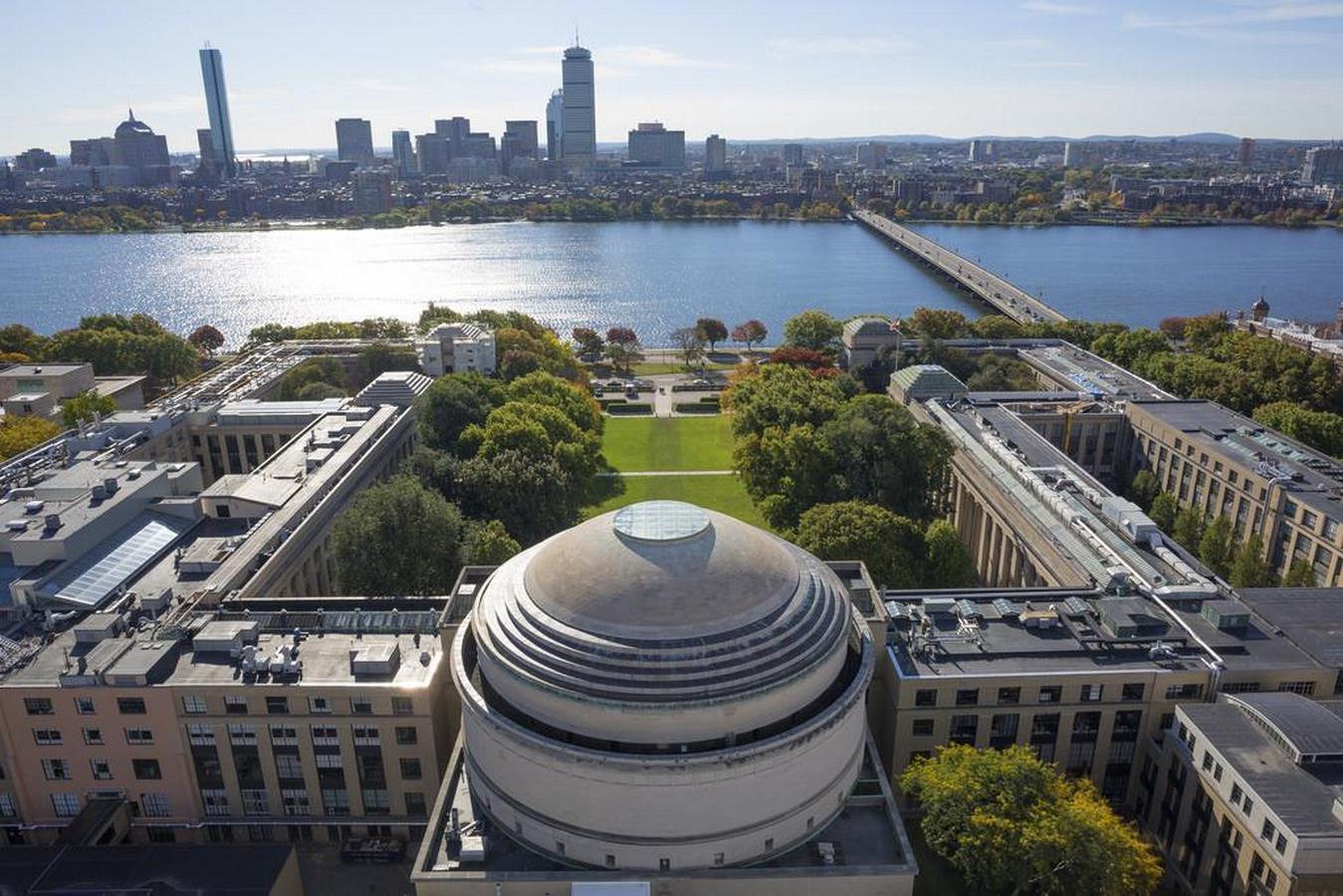
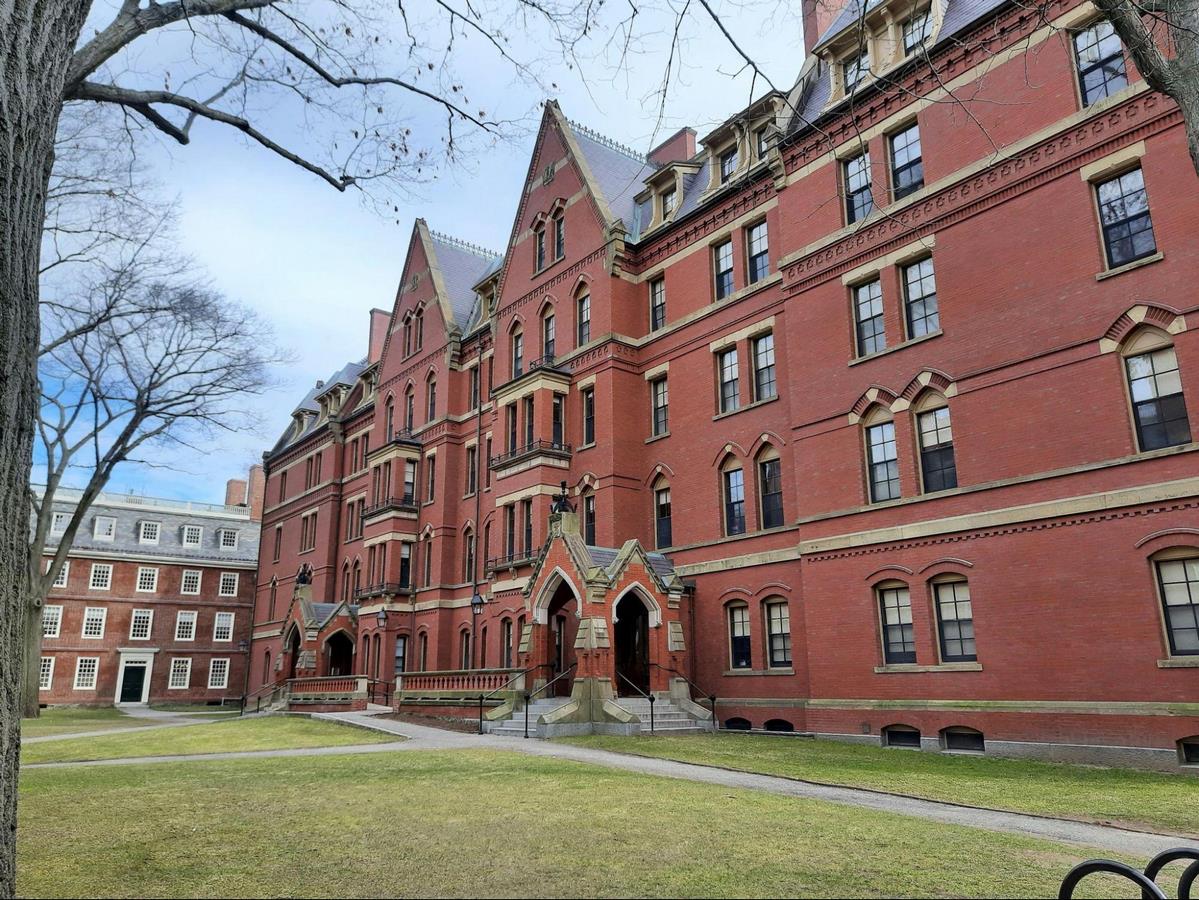
- Harvard University – Offers an innovative program focusing on urban planning, sustainable design, and interdisciplinary collaboration. Harvard is known for fostering creative thinking in architecture.
- University College London (UCL) – One of the leading global architecture schools, known for its focus on research, innovation, and sustainability in design.

- Stanford University – Stanford focuses on the intersection of design, technology, and culture, offering a forward-thinking approach to architecture education.

- Yale University – Yale’s School of Architecture integrates creative design with research in urbanism, sustainability, and advanced building technologies.
 Challenges for First-Year Architecture
Most of the time, the first year is like a huge challenge. Students are in for tough, long hours, packed schedules, and much work. They have to carry on with studio work until late at night and keep submitting things without having time to rest. It is only normal that every project is looked at in detail, and thus, the feedback might be too strong at the very beginning. Also, many students struggle to find a balance between generating creative ideas and meeting the project requirements and technical standards.
Another major challenge comes from learning digital tools and adapting to architectural language. Design programs, measurement systems, and presentation formats take time to master. To handle the pressure, students must plan their time carefully and stay consistent. This early stage defines the mindset needed for future work. Anyone exploring how to become an architect should understand that discipline, structure, and steady focus matter as much as design talent.
Key Tools and Technologies
During early architect schooling, students face design, drafting, and theory assignments that demand precision and organization. Managing separate files, sketches, and essays often causes confusion and loss of focus. Students can use AI-supported and digital tools that simplify structure and review to maintain control over academic work. Here are several useful options:
- GetSolved — an AI tool for plagiarism checks, grammar review, paraphrase aid, and text correction in reports or design summaries.
- Trello — task boards that show project stages and allow easy coordination between team members.
- Google Drive — a secure hub for file storage, large blueprints, and shared folders for teamwork.
- Canva — a layout builder that helps form presentation boards and portfolio pages in a clean visual format.
Together, these tools support organized study habits. They help arrange project briefs, preserve research references, and maintain a consistent portfolio suitable for academic submission and professional review.
From Classroom to Practice
The path from school to professional work is a major step in how long does it take to become an architect. After academic study, every candidate must complete a period of supervised practice before registration. In the UK, the rule requires 24 months of recorded work under the PEDR tool. In the US, candidates need about 3,740 hours through the AXP program, verified by a licensed architect. During this stage, interns handle real projects and build practical skills through:
- Drafting technical plans
- Creating scale models
- Visiting construction sites
- Coordinating with engineers and contractors
- Assisting with building codes and permits
This phase turns theory into applied skill and helps candidates understand cost, safety, and client communication. Accurate records are essential for future licensing. Students should use digital logs or project-tracking tools to record tasks, feedback, and progress. Consistent documentation supports qualification review and a strong portfolio for later career steps.
Career Options for Architects
Once you know how to be an architect, you have many career options. Many architects work in private practice, designing buildings, managing projects, and working with contractors. Others find opportunities in the public sector, designing government buildings or public spaces like parks and schools. Architects can also join construction firms, helping oversee the construction process to make sure everything is built according to the plans.
A growing area is sustainable design, where architects focus on creating energy-efficient, eco-friendly buildings. Some architects also choose to teach, sharing their knowledge and experience with students at universities. Another option is urban design, where architects help shape cities and communities. Architects can also go into project management, handling timelines, budgets, and team coordination. With technology changing the field, many architects now work in 3D visualization and digital design, using software to create virtual models and presentations.
Final Thoughts
A successful architecture career requires more than just a degree. It comes from continuous learning, building strong connections, and staying flexible. Keeping your portfolio updated with academic projects and professional work helps show your architectural growth. Joining organizations like RIBA or the AIA provides mentorship, job opportunities, and resources to support your career.
Being interested is equally necessary. You must keep abreast of new trends such as eco-friendly design, AI tools, and materials. These are the factors that are determining the future of architecture. Architecture is not just a job, it is about creating the spaces that will influence people’s living. With determination, good planning, and proper tools, architects on the way can take on the challenges and create careers that are both satisfying and impactful.