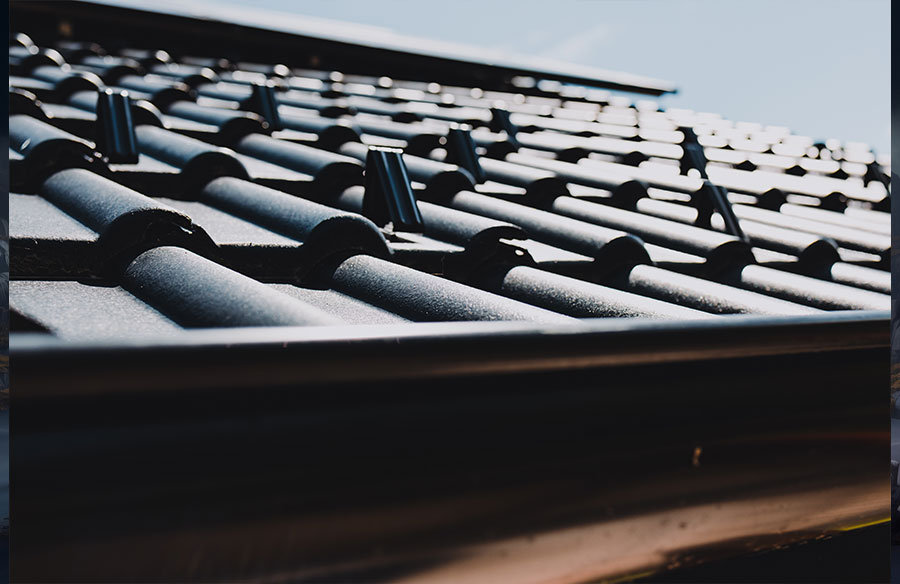
Keeping your roof in good condition doesn’t have to be complicated. A little regular care can prevent costly repairs, protect your home, and add years to your roof’s lifespan.
Keep reading to understand more.
Inspect Your Roof Regularly
I make it a point to check my roof often. This helps catch any problems early and keeps my roof in good shape.
- Schedule inspections twice a year, in spring and fall. This timing helps find issues before they get worse.
- Look for missing or damaged shingles. These can lead to leaks if not fixed.
- Check for cracks and leaks. Even small ones can cause big problems over time.
- Go into the attic to search for water damage signs. This includes wet spots or mold.
- Keep an eye out after big storms, too. High winds and heavy rain can hurt your roof.
Experts suggest getting a professional to look at your roof once a year, especially after winter ends. Doing these inspections can stop small issues from becoming big repairs later on. It also keeps my roof’s warranty valid, which saves money in the long run.
Checking regularly adds years to my roof’s life and keeps my home looking its best, no matter the weather outside.
Clean Gutters and Downspouts
Cleaning my gutters and downspouts is a must. It keeps water flowing away from my house and protects my roof. Here’s what I do:
- Check gutters for leaves, sticks, and other debris. This stuff can block water flow.
- Use a ladder to reach my gutters safely. I always make sure it’s stable.
- Wear gloves to protect my hands while removing gunk from the gutters.
- Flush the gutters with water from a hose to clear any leftover debris.
- Inspect downspouts for clogs that could cause backups, using water to check flow.
- Look at gutter seams for leaks or holes that need fixing.
- Consider adding gutter guards to reduce future debris buildup.
- Schedule this cleanup twice a year, in spring and fall, which helps avoid ice dams in winter.
- Watch out for signs of water damage on the fascia boards behind the gutters; it means there might be leaks.
- If I spot any issues with water not draining properly, I resolve them quickly to prevent damage inside my home.
Completing these tasks helps me stay ahead of costly repairs and keeps my roof in good shape longer.
Remove Debris From the Roof Surface
After taking care of cleaning my gutters and downspouts, I concentrate on clearing any debris from my rooftop. Keeping the rooftop tidy is a key step in maintaining its good condition.
- I utilize a leaf blower for safely dispatching leaves and small twigs without dealing directly with the roof.
- For heavy-duty dirt, mold, and grime, I engage a firm that employs low-pressure, high-volume methods.
- I steer clear of pressure washing as it may inflict damage on my roof shingles.
- When dealing with light debris, I might occasionally use a garden spray nozzle filled with safe chemicals to address stains.
- A routine cleaning, maybe once or twice a year, depending on the local foliage, curbs the growth of moss and algae.
- Keeping the rooftop neat also helps fend off mold growth, which could harm the structure.
- This upkeep does more than improve my house’s appearance; it also prolongs my roof’s lifespan by guarding against needless damage.
Consistently attending to debris removal has substantially improved the appearance of my home and the durability of my roof against the elements and aging.
Trim Overhanging Tree Branches
I cut tree limbs that hang over my roof. Loose or dead branches often fall and hit shingles, causing cracks or holes. Each time I remove weak limbs, I lower the risk of sudden damage.
Pruning trees also keeps leaves, sticks, and seeds out of gutters. This helps prevent clogs in gutters and downspouts during storms. Less debris on the roof slows shingle wear by at least 30 percent and stops moss or algae from spreading.
Good sunlight hits the roof after trimming; this dries wet spots faster and protects structural integrity. Tree maintenance every 6 months supports longer shingle life and reduces cleaning jobs all year round.
Check and Maintain Roof Ventilation
Good airflow in the attic keeps roofing temperatures steady. I check vents twice a year for leaves, bird nests, or dust buildup. This stops blockages and damage that can hurt roof insulation and shingle lifespan. Poor ventilation leads to moisture problems like mold, mildew, and ice dams during the winter months—costing money on repairs.
Proper vent systems control attic temperature and moisture; they help prevent early wear on shingles from heat or dampness. Many manufacturers require good ventilation to keep warranties valid. Roof maintenance must include inspecting ridge vents, soffit vents, turbines, or powered fans each season.
Insulate Attics and Ceilings Properly
Proper attic and ceiling insulation keeps my home at a stable temperature. I use fiberglass or spray foam, which stops heat from leaking in winter and blocks it in summer. This helps lower utility bills by up to 15%.
With thermal resistance in place, I avoid roof damage caused by hot or cold spots. Even roof temperatures also prevent ice dams from forming after snowfalls.
I always seal gaps for better air sealing and moisture control; this limits mold growth too. To boost energy efficiency, I combine thick insulation with working roof vents like ridge vents or soffit vents. For more on why proper airflow matters, it’s worth thinking about attic ventilation.
After my last professional inspection, the roofer showed me where to upgrade old materials—improving climate control inside all year long. Insulating attics adds value while lowering future repair costs linked to trapped water or rising humidity levels under the roof deck.
Address Leaks and Repairs Immediately
Leaks cause water damage in attics and living spaces fast. I fix damaged shingles, flashing, or any cracked area right away. Small holes let pressurized water enter; delay leads to bigger and costly repairs later. Quick repair keeps the roof under warranty compliance as well.
The customer approval before the roof restoration itself begins is mandatory. Professional cleaning also helps lower the risk of new roof damage during maintenance or renovation jobs.
Next up is using coatings and sealants to boost waterproofing and protection.
Use Roof Coatings and Sealants
I apply roof coatings and sealants to stop water from getting inside. They give my roof a waterproof layer, help with insulation, and improve weatherproofing. I check seals around skylights, pipes, and vents often. Any damage in these areas can cause leaks fast, especially after storms.
During every maintenance visit, I inspect coated spots for cracks or peeling. Using the wrong cleaning chemicals shortens sealant life if not rinsed well, so I follow cleaner guidelines closely.
Manufacturer instructions matter because using the wrong product may void a warranty. My climate needs reapplication every 2 to 5 years for best durability, but some roofs last longer between applications.
Protective coatings like asphalt-based products add years to my shingles—making repairs easier and reducing costly water damage risks over time.
Prevent Moss, Algae, and Mold Growth
After using roof coatings and sealants for extra protection, I focus on stopping moss, algae, and mold growth next. Moss, algae, or mold can eat away at shingles and weaken the roof. The best option is using soft washing with low-pressure water from 50 to 150 PSI plus cleaning solutions to kill organic growth at its roots.
For asphalt shingles, bleach or hydrogen peroxide works best; tile roofs need biodegradable agents. Specialized removers for algae cost more but are safer for plants and pets around the house.
Cleaning the surface once or twice a year blocks regrowth for three to six years, based on weather conditions. Cleaning tools include low-pressure sprayers and soft brushes; chemicals like sodium hypochlorite break down tough stains fast. Using these steps gives me a cleaner roof and helps my home stay healthier over time.
Prepare Your Roof for Seasonal Changes
I keep my roof ready for any weather. I follow these steps to make sure it’s safe and damage-free.
- Clean gutters before winter hits. This stops water from freezing and causing ice dams.
- Insulate my attic well. It keeps the heat inside, reducing snow melt on the roof.
- Use a roof rake to gently remove snow buildup. It prevents heavy snow from damaging the structure.
- Install heated cables in areas prone to ice dams. This melts the ice, keeping pathways clear for water.
- Schedule roof cleaning in late spring, summer, or fall. Roof stays dry for longer, ensuring treatments work best.
- Apply soft washing anytime, as it doesn’t need drying time like pressure washing does.
- Check my roof after major storms for any damage or changes in condition.
- Fix leaks as soon as I find them, especially before heavy rain or snow seasons start.
- Add weatherproofing measures like sealants or coatings to protect against moisture and leaks.
- Watch for moss, algae, and mold growth; clean these areas promptly to prevent damage.
Following these steps helps me avoid surprises and keeps my home safe year-round.
Schedule Professional Roof Inspections Annually
Professional roof inspection services catch problems early. Roof maintenance specialists use special tools to check shingles, flashing, and gutters.
Annual inspections prevent costly repairs. Most cleaning estimates range from $150 to $1,000, depending on size and condition factors. Professionals have experience with all roofing materials and follow safety practices on each visit to keep my roof in good shape year-round.
Conclusion
Taking care of my roof works. I check for leaks, clean gutters, and trim tree branches every season. Soft washing keeps shingles safe from damage and helps stop mold or algae. Yearly inspections by experts cost between $150 and $1,000, but can extend the life of any roofing materials by many years. Good upkeep protects my home and saves money in the long run.