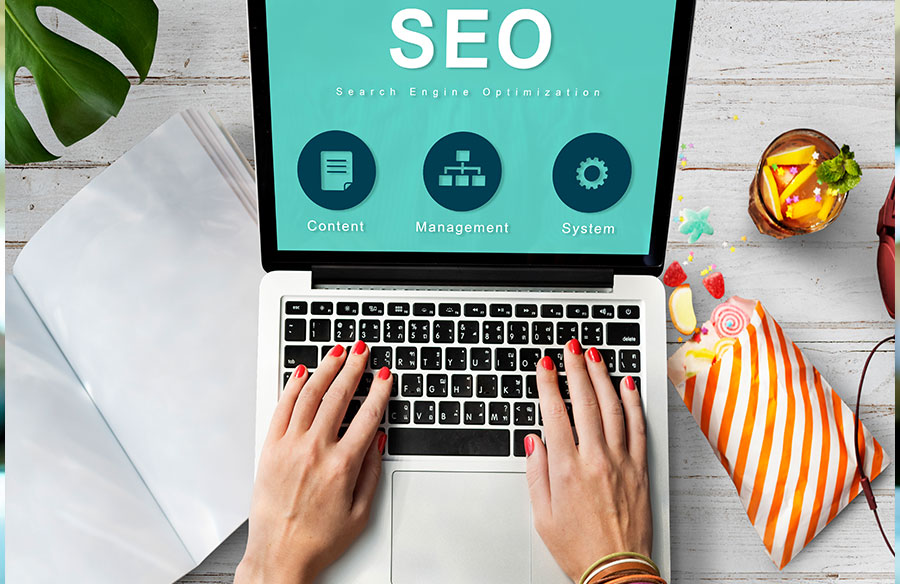
The digital marketplace isn’t slowing down; it’s evolving. What used to be a simple battle for clicks has become a war for attention, trust, and endurance. Paid ads still have their place, but in 2025, the brands that dominate are the ones that own their visibility, not rent it. That’s why more businesses are quietly shifting their budgets toward SEO, the only long-term strategy that compounds in value instead of draining it.
Search engines have changed, yes. But the principle hasn’t: the higher your visibility, the lower your acquisition cost. The difference now is that algorithms are sharper, user intent is clearer, and the competition is savvier. Those who treat SEO as a one-time project lose. Those who treat it like an investment win.
The Compounding Nature of SEO
Most marketing tactics depreciate with time. Ads vanish when the budget stops. Social posts fade within hours. SEO, however, compounds. Every optimized page, every backlink, every refined keyword adds to a growing ecosystem that strengthens over time.
Think of it like building digital real estate. You lay foundations with a strong technical structure, add rooms with content, and attract tenants (traffic) that generate value every month. The longer it stands, the more valuable it becomes.
In 2025, Google’s AI-driven search systems (like SGE-Search Generative Experience) reward content that consistently demonstrates expertise, authority, and trust. SEO isn’t just about keywords anymore; it’s about credibility and depth. If your brand continuously builds this digital equity, it not only ranks it stays ranked.
Predictability in an Unpredictable Market
Markets swing. Advertising costs rise and fall. Social algorithms change overnight. But SEO remains the one lever that provides stability.
Once your website earns organic authority, your traffic becomes less dependent on fluctuating ad costs or external platforms. This means your cost per acquisition (CPA) gradually decreases over time, while your visibility expands. In simple terms, SEO gives your business a predictable pipeline, an asset no algorithm update or social trend can easily take away.
Predictability doesn’t mean stagnation. It means control. You can forecast performance, plan content calendars, and make informed decisions without being at the mercy of paid ad volatility.
Organic Traffic Builds Trust
In a landscape where consumers are bombarded with ads, organic search remains one of the few unbiased touchpoints left. When someone finds your business through a search result rather than an ad, it carries weight. It signals relevance, authority, and trustworthiness.
People may scroll past paid placements, but they pause for organic listings that seem earned rather than bought. That trust translates into longer session times, higher conversion rates, and repeat visitors.
This is especially vital for 2025, where consumer skepticism toward advertising has reached record highs. Audiences crave authenticity, and SEO-driven visibility meets that demand naturally.
SEO Strengthens Every Other Channel
The hidden advantage of SEO is how it enhances the rest of your marketing system.
Content created for SEO blog posts, landing pages, and FAQs also fuels social media posts, email campaigns, and remarketing ads. Keyword research identifies what people care about, which can inform your paid ad copy and product positioning.
SEO improves conversion rates, too. A well-optimized site loads faster, looks better on mobile, and provides a smoother user journey, all of which help every channel perform better.
It’s no longer a siloed strategy. It’s the backbone of all digital growth.
The Real ROI of SEO
ROI from SEO isn’t instant, but it’s exponential. Once your site reaches top positions, the cost of maintaining visibility is minimal compared to the continuous spend of ads.
For example:
- A business spending £3,000/month on Google Ads might gain 10,000 visitors monthly.
- A similar business investing £3,000/month in SEO might see slower growth initially—but by month 12, they could be attracting 20,000+ monthly visitors organically, without needing that ad spend again.
That’s the shift happening right now. Businesses are realizing SEO delivers not just traffic, but equity. Every blog post, backlink, and optimization is a digital asset that continues to work for years.
When you view SEO as a long-term investment rather than a short-term tactic, its financial logic becomes undeniable.
Why 2025 Is the Tipping Point
The rise of AI content, zero-click searches, and Google’s evolving SERP features has changed the game. But far from killing SEO, it’s made it more strategic.
Here’s why 2025 is the year SEO matures:
- Search AI needs trustworthy sources. Google’s generative results increasingly cite established domains. Without authority, your brand won’t be referenced or displayed.
- AI content floods the web, but originality wins. Google’s systems now prioritize experience-based content, real insights, data, and human input.
- Voice and visual search are growing fast. SEO now extends beyond text—optimizing for image search, featured snippets, and voice commands.
- Privacy laws limit tracking. With cookies dying, organic search becomes the most reliable, trackable source of consistent traffic.
If you’re building a business to last beyond quick trends, SEO is no longer optional—it’s survival.
The Hidden Economic Advantage
The strongest argument for SEO isn’t philosophical; it’s economic.
SEO builds assets that appreciate. Advertising rents attention that depreciates.
When you invest in SEO, you’re effectively reducing your future marketing costs. Every ranking you secure replaces the need for paid exposure. Every backlink you earn compounds your site’s authority, making future rankings easier.
Over time, this creates a positive feedback loop: Better rankings → More traffic → More links → Even better rankings.
Meanwhile, businesses reliant on paid ads are trapped in the opposite loop: More spend → Temporary results → Constant reinvestment → Shrinking margins.
That’s the difference between ownership and dependency.
SEO vs. Paid Ads: The Reality Check
Paid ads deliver speed. SEO delivers scale. Both have a role, but only one keeps paying dividends.
Let’s break it down:
| Aspect | Paid Ads | SEO |
| Cost | Continuous | Upfront, then minimal |
| ROI timeline | Immediate, short-term | Gradual, long-term |
| Credibility | Perceived as promotional | Perceived as trustworthy |
| Control | Platform-dependent | Owned by your brand |
| Shelf life | Ends with budget | Grows with time |
In 2025, businesses are realizing that the quick dopamine hit of ad results often hides deeper dependency. Once you turn off the ad budget, traffic vanishes overnight. SEO, in contrast, keeps working silently in the background.
That’s not to say you should abandon ads. But the smartest strategy is balance: use ads to amplify short-term campaigns, and SEO to secure the foundation.
Why “SEO Services” Are the New Business Essential
As more companies recognize this compounding effect, demand for professional SEO services has surged. It’s not about chasing rankings, it’s about building systems.
Expert SEO agencies now blend data analytics, user experience design, and AI-driven insights to ensure every optimization aligns with business outcomes. From technical audits to authority link building, the process has become scientific, measurable, and predictable.
The businesses winning in 2025 are the ones treating SEO as infrastructure, not marketing. They don’t just want traffic; they want resilience.
Because in volatile markets, resilience is leverage.
SEO as a Defensive Strategy
What most people overlook is that SEO also acts as a defense mechanism.
When your brand ranks well across multiple keywords and topics, it becomes harder for competitors to outrank or replicate your presence. Even if new players enter the space, your established authority and backlink network keep you ahead.
This defensive moat protects not only your traffic but your brand reputation. In an age where misinformation and copycat businesses proliferate, controlling your organic narrative is invaluable.
The Psychological Shift: From Expense to Asset
Perhaps the biggest change in 2025 isn’t algorithmic, it’s psychological. Businesses are finally reclassifying SEO from “marketing expense” to “capital investment.”
When you build a brand with SEO, you’re creating something that has resale value. A site ranking for valuable industry keywords can be sold for multiples of annual profit because of its built-in organic reach.
That’s why private equity firms and investors now value SEO performance as a key due diligence metric. Traffic from ads is fleeting. Organic traffic is a tangible, transferable asset.
The smartest founders know this. They’re not just optimizing for clicks; they’re increasing the market value of their business.
Future-Proofing Through Authority
The coming years will be defined by trust. AI will flood the internet with content, but humans will crave verified, credible voices.
Search engines are already adapting to this by prioritizing E-E-A-T: Experience, Expertise, Authoritativeness, and Trustworthiness. Brands that have invested years in building authority will dominate.
That authority doesn’t come from shortcuts. It comes from consistent, well-researched content, reputable backlinks, and authentic engagement, all outcomes of a strong SEO foundation.
Every year that passes, it becomes harder for new businesses to compete without it.
SEO Is Slow And That’s the Point
The biggest misconception about SEO is that it’s “too slow.” In reality, that slowness is its strength.
What grows slowly lasts longer. While others chase quick wins, SEO builds durability.
Those first few months of slow progress are when trust is being built both with users and search engines. By the time rankings climb, the foundation is unshakeable.
That’s why, in 2025, the winners aren’t those who move fastest; they’re those who build deepest.