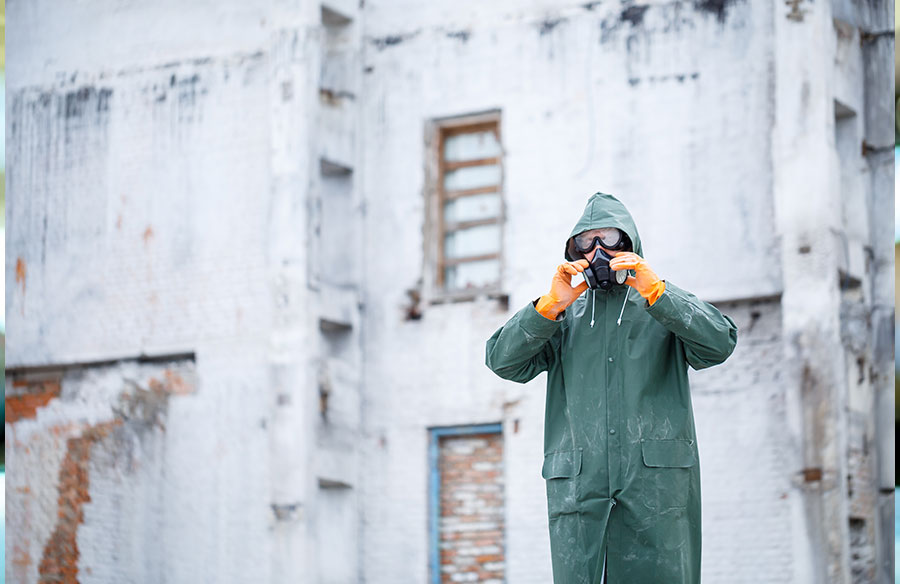
Old buildings carry a kind of nostalgic charm, high ceilings, ornate woodwork, and sturdy craftsmanship that modern structures rarely match. But beneath the surface of many of these architectural treasures lies a hidden danger that can quietly threaten health: asbestos.
For decades, asbestos was hailed as a “miracle material.” It was cheap, durable, and fire-resistant, making it a staple in construction from the early 1900s through the 1980s. Yet, what builders once saw as a strength became one of the deadliest hazards in modern property ownership.
When old structures age, deteriorate, or undergo renovation, they can release asbestos fibers into the air that can be inhaled or ingested, leading to diseases that appear years later. That’s where professional asbestos inspections become lifesaving.
The Silent Threat Lurking in the Walls
Asbestos isn’t a visible menace. It doesn’t smell, it doesn’t taste, and it doesn’t cause immediate symptoms. This makes it particularly dangerous.
Many older homes, schools, and office buildings still contain asbestos in places most people would never check:
- Insulation and pipe lagging
- Ceiling tiles and textured paints
- Roofing felt and shingles
- Vinyl floor tiles
- Wallboards and joint compounds
When undisturbed, asbestos can remain harmless. The danger begins when materials start to crumble, break, or are cut during renovations. The microscopic fibers are then released into the air, where they can be inhaled deeply into the lungs.
Once inside, the body has no way to break them down or expel them. Over time, these fibers cause scarring, inflammation, and eventually, severe diseases like:
- Asbestosis (chronic lung disease)
- Mesothelioma (a rare, aggressive cancer)
- Lung cancer (even in non-smokers exposed to asbestos)
Even small exposures—especially repeated ones—can lead to major health issues decades later.
How Asbestos Became a Construction Staple
To understand why asbestos remains so widespread, you have to look back at its rise.
By the mid-20th century, asbestos was used in thousands of building materials. Its resistance to heat and corrosion made it perfect for everything from shipbuilding to electrical insulation. After World War II, the construction boom relied heavily on it.
It wasn’t until the 1970s and 80s that the full health consequences became undeniable. Studies revealed a strong link between asbestos exposure and cancer. Governments began regulating its use, but by then, millions of buildings had already been constructed with it.
Today, nearly every structure built before 1990 is considered “at risk.” This includes schools, hospitals, homes, and municipal buildings, places where people live and work daily.
Why Asbestos Inspections Are Critical
An asbestos inspection isn’t just a formality; it’s a safeguard against invisible harm.
Professional asbestos inspectors use specialized techniques and lab analysis to identify asbestos-containing materials (ACMs) before renovation, demolition, or even simple maintenance work begins. This proactive approach prevents deadly fibers from being released into the air.
Key steps in a professional inspection include:
- Initial Survey: The inspector visually assesses the property, noting any materials likely to contain asbestos.
- Sampling: Small samples are carefully removed and sealed for testing in accredited laboratories.
- Analysis: The samples are analyzed under polarized light microscopy (PLM) or transmission electron microscopy (TEM) to confirm asbestos presence and type.
- Reporting: A detailed report outlines where asbestos is located, its condition, and recommendations for safe management or removal.
Skipping this process risks contamination not only for workers but also for families, tenants, and anyone entering the space later.
This is why hiring experts for asbestos inspections Myrtle Beach and similar regional services is non-negotiable when dealing with older properties. Certified inspectors know the specific building eras, materials, and regional construction standards that are most prone to asbestos use. Their assessments can literally save lives.
The Human Cost of Neglect
There’s a haunting pattern that repeats whenever asbestos is ignored.
Workers begin renovations unaware of what’s behind the walls. Dust fills the air. No masks, no ventilation systems, just business as usual. Weeks later, the job is done, and the danger is forgotten. But the microscopic fibers inhaled during that time remain lodged in the lungs, quietly doing their damage.
Decades later, these same individuals might receive a diagnosis of mesothelioma or lung disease, with no cure in sight.
The latency period between exposure and illness can be 20 to 50 years, meaning people today are still being diagnosed from exposures that occurred in the 1970s or 80s. Families are torn apart, and legal battles over accountability can last longer than the patient’s remaining life expectancy.
All of it is avoidable with a simple inspection.
The Legal and Financial Consequences
Beyond the human cost, there’s also a serious legal and financial risk to property owners who fail to manage asbestos properly.
In many regions, building owners, landlords, and employers are legally required to identify and manage asbestos materials. Renovating or demolishing a property without an asbestos inspection can lead to:
- Heavy fines and legal penalties
- Work stoppages and project delays
- Increased insurance premiums
- Lawsuits from exposed workers or tenants
Once asbestos contamination occurs, cleanup is far more expensive than prevention. Removal must be handled by licensed abatement professionals under strict environmental regulations, and any mistake can lead to additional exposure risks.
Proactive inspections are not just safer, they’re smarter financially.
Modern Solutions: Technology Meets Safety
The field of asbestos detection has evolved dramatically. What once required invasive wall cutting can now be assisted by advanced tools and technologies.
Thermal imaging, air sampling devices, and fiber analysis software have improved detection accuracy while minimizing disruption. Drones are even being used to inspect roofs and high walls for asbestos materials safely.
Environmental safety companies are also using digital tracking systems to record and monitor asbestos locations in public buildings, ensuring compliance and transparency over time.
For homeowners and property developers, these advancements make inspections faster, less invasive, and more affordable, leaving no excuse for neglect.
The Renovation Risk Most People Overlook
The renovation of an old home often begins with enthusiasm, fresh paint, new floors, maybe even open-plan walls. But this is exactly when asbestos exposure is most likely.
Common renovation activities that disturb asbestos include:
- Sanding or scraping old paint and plaster
- Drilling or cutting into ceilings or walls
- Replacing old flooring
- Removing insulation or pipework
Even vacuuming debris without proper filters can spread fibers throughout a property.
That’s why asbestos inspections should be scheduled before any renovation begins. They provide the blueprint for safe handling, so contractors can work without endangering themselves or others.
Asbestos in Commercial and Public Buildings
While homeowners face significant risk, the stakes are often even higher in commercial and public buildings.
Schools, hospitals, and government facilities built before the 1980s often contain asbestos in structural components and insulation. When aging infrastructure starts to crumble or undergo maintenance, large groups of teachers, students, patients, and staff can be exposed simultaneously.
In these cases, professional inspections are mandated by occupational health and safety regulations. Failure to comply can lead to closures, fines, or even criminal charges in severe negligence cases.
Regular re-inspections are also necessary since asbestos materials deteriorate over time, especially in damp or high-traffic areas.
Why DIY Isn’t an Option
Some property owners, especially those managing small renovation projects, may be tempted to test for asbestos themselves using cheap home kits.
That’s a mistake.
Asbestos sampling requires precision, containment, and protective gear. Improper handling can cause more contamination than discovery. Only certified inspectors can ensure samples are collected safely and that lab testing meets legal and scientific standards.
Attempting to manage asbestos yourself can void insurance, break local safety laws, and put everyone on-site at risk.
Protecting Future Generations
Asbestos-related diseases often show up decades after exposure. That means every careless renovation today becomes a health threat for tomorrow’s occupants.
By investing in professional asbestos inspections, we’re not just protecting workers and residents; we’re preserving the safety of future generations who will live, work, and learn inside these buildings.
Old structures can continue to serve communities safely, but only if the hidden hazards within them are managed properly.
Inspections aren’t just about compliance; they’re about conscience. Each one prevents exposure, illness, and unnecessary suffering.
When the cost of prevention is a fraction of the cost of a cure, the choice becomes simple.