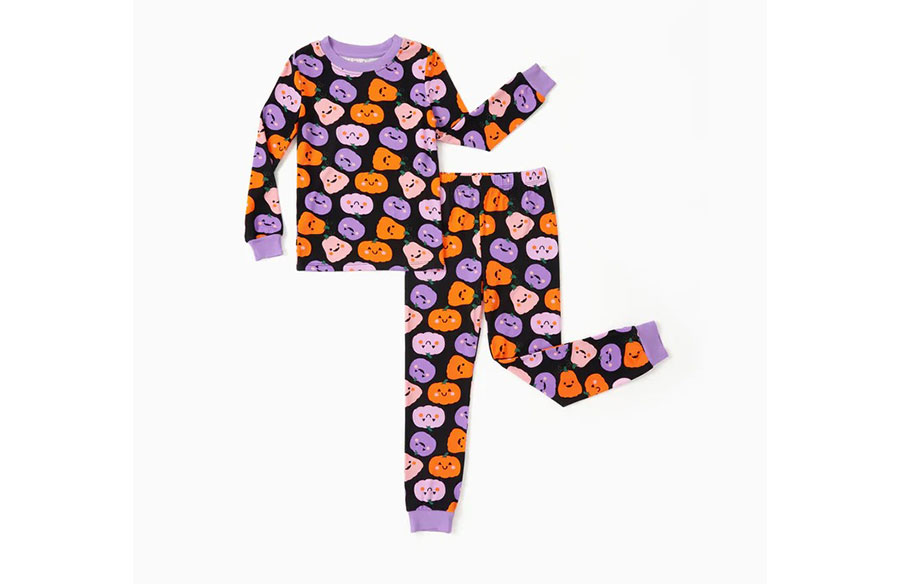
The fashion industry is in the much-needed change in a world that is more sensitive to sustainability. The introduction of bamboo clothes is one of the hottest trends one can see; a new type of alternative to the old cotton or polyester fabrics. Bamboo fabric is lightweight, breathable, and environmentally friendly and is now one of the favorite materials among the parents that favor the best of their kids and the environment.
With the increasing awareness of a sustainable lifestyle, the manufacturers of bamboo kids clothes are entering nurseries, wardrobes, and schools all over the world. From baby rompers and pajamas to simple tees and leggings, these clothes guarantee that the future will be not only stylish and comfortable but also cleaner to the next generation.
Why Bamboo? A Natural Wonder
Bamboo is a rapidly propagating plant on earth. In only 24 hours some of the species may grow to three feet. It does not need pesticides, little water and it also regenerates naturally without the requirement of a replacement. This renders bamboo a very renewable source, one, which would not cause soil degradation or deforestation.
Bamboo has certain advantages when converted to cloth. It is naturally hypo-allergenic, anti-bacterial and thermostat-controlling, thus, it is a perfect choice of materials in clothes worn by children. The skin of children is very tender and usually vulnerable to irritation and, therefore, a soft breathable and chemical free piece of cloth can be a difference between comfort and well-being.
Softness and Comfort Beyond Compare
Parents that have already tried bamboo clothes tend to call it luxuriously soft – even softer than cotton. Bamboo fabric is made of smooth and rounded fibers that do not have rough edges that can be used to create friction against sensitive skin. Bamboo is also a great material to use in baby clothes, swaddles, sleepwear, etc.
The bamboo can be moved easily also due to the natural stretch that makes it. Children are always running around, playing, and investigating stuff and, therefore, their garments should follow them.
The Science Behind Bamboo Fabric
There are two major ways of transforming bamboo into a fabric: mechanical and chemical.
In mechanical processing, the woody components of the bamboo plant are crushed and the fibers are broken down with the help of natural enzymes. The outcome is a substance called bamboo linen or bamboo hemp that is highly powerful and rough yet difficult to make.
In chemical processing, Bamboo is however converted into a soft viscose or rayon garment using solvents. Though the expected outcome of this technique is the silky-smooth feel that patrons are fond of, it is important that the brands to be used must apply a closed-loop system where the chemicals are contained and recycled instead of being discharged into the environment.
When purchasing bamboo children garments, eco-friendly parents are recommended to find such certification as OEKO-TEX Standard 100, GOTS (Global Organic Textile Standard) or FSC (Forest Stewardship Council). By these labels, it is shown that the clothes were produced in responsible sourcing and manufacturing.
A Sustainable Solution for Growing Kids
Children develop expeditiously – at times out of a whole wardrobe in one season. This high rate of turnover usually results in high wastages since most of the garments are disposed of way before they degenerate. Bamboo clothing contains this problem in a number of ways.
To begin with, bamboo fabric is very robust as it is not subject to pilling, fading, and stretching. It is durable, which implies that the old clothes can be given to younger siblings or donated thus decreasing the overall ecological footprint.
Second, since bamboo is a biodegradable material, it decomposes naturally when it reaches the end of the life cycle. Bamboo leaves no traces of harmful microplastics and goes back to the earth as opposed to synthetic fabrics like polyester which take hundreds of years to decompose.
Temperature Control and Moisture Management
The other notable characteristic of bamboo clothing is that it has the ability to control temperature. Bamboo is an inherently breathable material, and it is also three times more effective at wicking moisture than cotton is. This would imply that children would be cool in summer and warm during winter, making them the ideal year-round clothing.
The moisture-wicking and the antibacterial qualities of the fabric also make the fabric resistant to the accumulation of odors. There is no secret that parents understand how fast children can transform clothes into laundry, and with bamboo, they will be kept clean longer, eliminating the necessity of washing clothes as frequently and, therefore, saving on water consumption and saving energy.
A Healthier Choice for Sensitive Skin
A lot of children have problems with eczema, allergies or skin sensibilities that may be worsened by synthetic fibres or aggressive detergents. The substitute of bamboo offers a calming effect, as it is hypoallergenic and has no chemical contents. This occurs because of the fabric absorbing and evaporating moisture which prevents the irritation and overheating which starts the flare-ups.
Parents will also have the benefit of knowing that their children are embedded in clothes that help but not destroy the health of their skin. Indeed, bamboo has antibacterial properties, so it is often used as a baby blanket, undergarment, and sleepwear, which is in direct contact with the skin most of the time.
Style Meets Sustainability
Being eco-friendly does not mean that fashion should be boring. The fact that sustainable style can be entertaining, colorful, and creative is being demonstrated by the numerous brands specializing in bamboo clothes among children. Cute prints and pastel colors, neutral basics, and minimalist colors Bamboo fabric can be dyed in any colour, making the colour long-lasting and vivid.
Since the material is easy to work with and is light and drapey, it can be used in both casual and dressy children’s clothes. Shoppers will be able to get both basic apparel and more serious ones such as T-shirts and leggings as well as professional clothes based on sustainable bamboo materials.
Final Thoughts
Bamboo is the ideal match between environmentally friendly fashion and comfortability of daily life. It is soft to the skin, robust enough to play hard and friendly to the environment. Bamboo will be the new pillar of sustainable fashion as more and more people come to know about it and, in the case of children’s clothing, all it needs is safety, softness, and longevity.
When parents use bamboo, they are not only giving their children a better choice of clothes they wear, but they are also opting to have a better future in general.