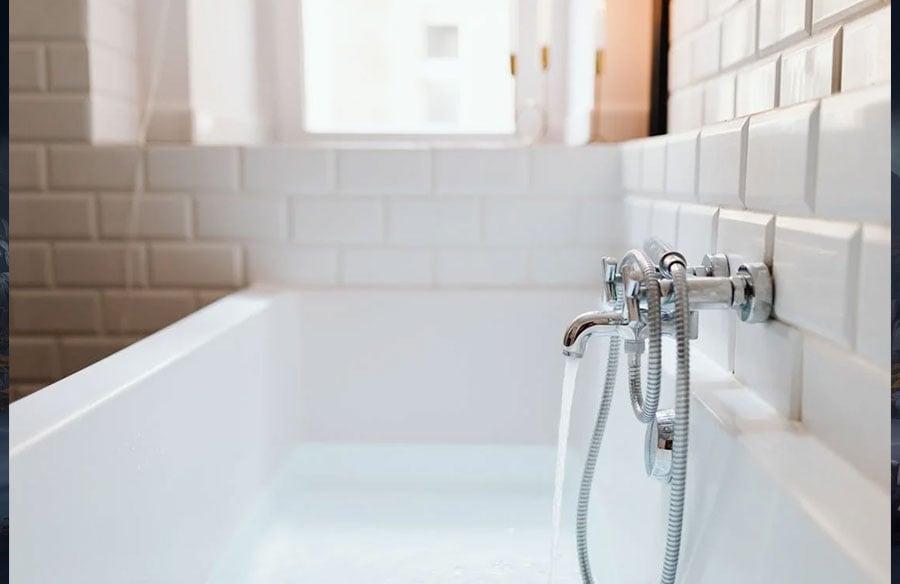
A building lives or fails by hidden systems that no one sees every day. Water lines, drainage, venting, and hot water supply decide comfort, safety, and operating costs.
Good plumbing coordination keeps walls slim, ceilings clean, and fixtures where designers planned. Poor choices add rework, leaks, and noise that travel through floors and frustrate everyone.
Property owners want fast fixes, and architects need reliable partners during design and construction. A licensed crew with strong site habits protects budgets and schedules.
If you manage projects around Wilmington, a team like East Atlantic Plumbing brings field experience across residential and commercial jobs. The right match comes from verifying scope, credentials, communication, diagnostics, and contracting basics.
Define Scope Early And Tie It To Codes
Start by writing a scope that speaks the same language as your drawings. List fixture counts, pipe materials, pressure zones, backflow devices, and insulation types.
Identify chase sizes, ceiling plenum heights, and shaft locations where pipe risers must run. Include water heater capacities, recovery rates, and vent types to match real hot water demand.
Match the scope with code checkpoints before anyone orders parts. Note hot water recirculation needs, scald protection, vacuum breakers, and cleanout spacing.
Confirm floor drain placements in mechanical rooms and near equipment with condensate lines. Ask how the team will protect traps during construction dust and pressure testing.
- Map supply and waste routes on floor plans for early clash checks.
- Flag long pipe runs that need recirculation to reduce wait times.
- Call out acoustic treatment where piping crosses quiet program areas.
- Record isolation valve locations for fast shutoffs during maintenance.
Verify Licensing, Insurance, And Safety Practices
A reputable contractor will share license numbers, insurance certificates, and safety procedures quickly. Confirm active licensing in the home state and any reciprocal registrations for multi-state projects.
Check experience with your project type, such as medical gas lines, commercial kitchens, or multifamily stacks. Ask for two recent jobs with similar size and occupancy load.
Training and safety habits matter as much as paperwork. Ask how apprentices learn soldering, press fittings, solvent welding, and leak testing.
Review lockout procedures, ladder rules, and confined space entries. Clarify who signs permits and who attends inspections with building officials.
For fixture efficiency planning, review the EPA WaterSense program and requested flow rates. It helps align selection with water budgets and rebate options. Discuss low-flow toilets, aerators, and pre-rinse spray valves for kitchens where savings compound daily.
Plan Coordination, Access, And Maintenance Upfront
Good plumbing design respects structure, mechanical routes, and ceiling space. Ask how the contractor will coordinate sleeves, hangers, and seismic restraints with steel and concrete trades.
Confirm they will attend coordination meetings and upload models to shared platforms on set intervals. Make them walk the site with the superintendent and mechanical lead before installing the first hanger.
Service access is often missed because drawings look clean while ceilings get crowded. Require clearances in front of valves, mixing stations, and water heaters.
Confirm access panels for concealed traps, diverter valves, and in-wall carriers. Ask whether thermostatic mixing valves will be grouped for easier balancing.
Set a maintenance rhythm that starts before turnover. Request a valve schedule, flushing plan, and water quality report at substantial completion.
Include a training session for building staff that covers shutoffs, balancing, and alarms. Ask for a spare parts list with model numbers, gaskets, and recommended inventory levels.
Add a realistic response plan for emergencies. Agree on phone numbers, contact windows, and after-hours access rules. Decide how leak sensors will alert staff and how to isolate zones by floor or wing. Practice one drill so everyone knows the process before a real incident arrives.
Use Diagnostics And Tech To Cut Risk And Waste
Modern diagnostics spot problems early and help keep ceilings closed. Ask about thermal imaging for hidden hot water lines and insulation gaps.
Confirm acoustic leak detection for slab leaks where access is limited. Require pressure logging during startup to spot spikes that damage fixtures.
Digital tools help teams follow drawings and report progress clearly. Field crews can use tablets to mark valve locations and capture photos with timestamps.
Simple tags placed on panels and risers aid long term service and inventory tracking. A shared punch list avoids lost emails and missing fixes across rooms and floors.
Quality plumbing also depends on strong workforce training. Contractors who invest in U.S. apprenticeship standards usually show better workmanship and safety results.
Ask how many apprentices train each year and who mentors them on site. Request proof of continuing education hours for licensed plumbers and supervisors.
Water quality should enter the design conversation early. Discuss sediment filtration, chlorination effects on elastomers, and scale control for heaters.
Review startup flushing procedures and how the team will document readings. Plan a six month follow-up to adjust balancing valves and confirm stable temperatures.
Bring The Choice Together With Clear Contracts
Pricing that looks low can hide scope gaps, change orders, and rushed labor. Ask for an itemized proposal that lists fixtures, pipe sizes, insulation, hangers, and testing.
Require unit prices for added fixtures, riser extensions, and wall penetrations by type. Clarify markups on materials and subcontracted work before anyone mobilizes.
Set payment terms linked to visible milestones, not vague percentages. Tie draws to underground rough-in, riser completion, fixture set, and passed inspections.
Define warranty length for labor and parts, and capture manufacturer warranties separately. Record response times for leaks, heater failures, and sewer backups during the warranty period.
Put closeout deliverables in writing to prevent a scramble at handoff. Require as-built drawings that match field conditions and valve tags that match schedules.
Ask for O&M manuals with startup forms, test logs, and contact details. Make sure staff training is scheduled and recorded with sign-in sheets for future reference.
 Takeaway
Owners and architects should choose a partner who treats drawings and the site with equal focus. The right plumbing team plans to the inch, communicates early, and follows through during service.
That approach protects finishes, shortens punch lists, and keeps water where it belongs. With that standard in mind, shortlists write themselves and buildings operate as intended.