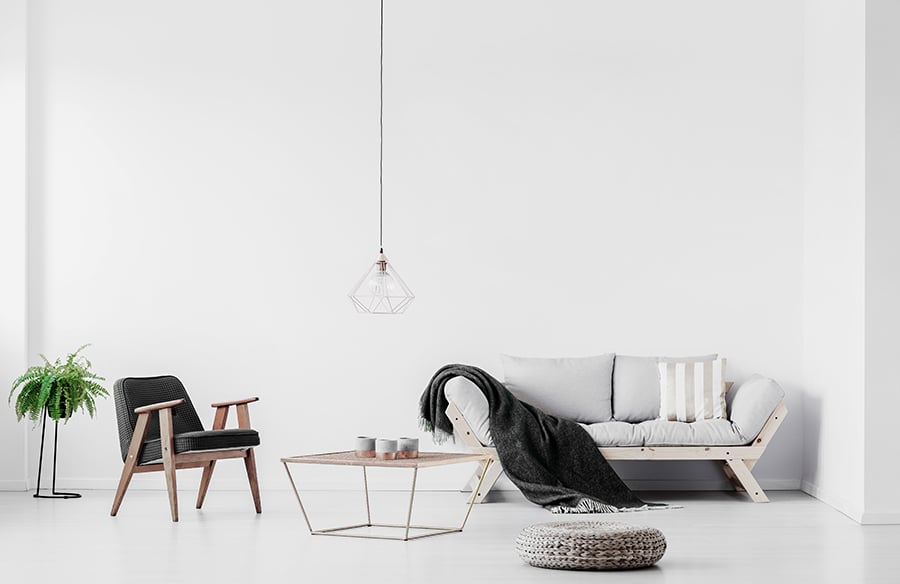
Minimalism isn’t just a design trend, though it certainly photographs well on Instagram. It’s a lifestyle philosophy that emphasizes simplicity, functionality, and the radical act of not keeping things just because your aunt gave them to you in 2008. In a world where you can buy a throw pillow shaped like a piece of sushi, embracing minimalist living means focusing on quality over quantity, and selecting furniture that actually serves a purpose beyond making you feel vaguely guilty every time you look at it.
Here’s what minimalist furniture actually is: clean lines, simple forms, and a blessed lack of excessive ornamentation. No brass cherubs. No unnecessary curlicues. Just furniture that looks like it knows what it’s doing. The materials tend to be natural, like wood, metal, and leather, chosen because they last and because they won’t make you cringe in five years when the trend cycle has moved on to whatever comes after “coastal grandmother.”
Key Furniture Pieces for a Minimalist Home
The goal is to create a space where you can actually breathe, where every piece of furniture earns its place by being genuinely useful or beautiful, ideally both. It’s the opposite of that apartment you had in your twenties where you owned a decorative oar despite living in a landlocked state and never having been rowing.
Beds and Bed Frames
The bedroom should be a sanctuary, and a minimalist approach ensures it remains a tranquil space for rest and rejuvenation. Opt for sleek and understated beds and bed frames that blend seamlessly with your decor. Platform beds with built-in storage are excellent choices for maximizing space and minimizing clutter.
Skip the ornate headboards that look like they belong in a vampire’s castle. Instead, favor designs with clean lines and a low profile. The bed should invite rest, not remind you of furniture shopping, which is one of the more exhausting activities humans have invented.
Desks
Whether you work from home or simply need a dedicated space for creative pursuits, a minimalist desk is crucial for maintaining focus and productivity. Look for desks with ample surface area but without unnecessary drawers or shelving that can invite clutter. A simple, sturdy desk made from natural materials can anchor your workspace while maintaining a clean aesthetic.
A simple, sturdy desk made from natural materials can anchor your workspace without making you feel like you’re sitting in a furniture showroom. If you’re working with limited space, a wall-mounted desk is genius. It folds up when you’re not using it, which means you can’t pile things on it overnight. This is either a feature or a bug depending on your relationship with horizontal surfaces.
Seating
For living areas, choose comfortable yet streamlined seating options. A well-designed sofa with clean lines, an armchair that complements the room’s aesthetic without dominating it, or even a few simple, stackable stools for versatile seating can all fit within a minimalist framework. Focus on neutral colors and durable fabrics that will stand the test of time.
Storage Solutions
This is where minimalism either works or falls apart completely. You need places to put things, but those places can’t become the visual equivalent of a junk drawer. Closed storage units like sideboards, credenzas, or cabinets are your friends because they hide everything you own but can’t quite bring yourself to get rid of. Built-in shelving is excellent. Furniture with hidden compartments makes you feel like you’re living in a slightly less exciting spy movie.
Open shelving can work if you’re the kind of person who arranges books by color and owns only beautiful objects. If you’re like the rest of us and have things like “that weird adapter for something you threw away three years ago,” closed storage is probably the way to go.
Embracing Functionality and Simplicity
The real beauty of minimalist furniture is that it forces you to be honest about what you actually need. Every piece should justify its existence by being useful, beautiful, or ideally both. This is harder than it sounds because we’re all walking around with inherited ideas about what furniture we’re supposed to own.
But when you focus on essential items that are well-designed and built to last, something shifts. Your home becomes less of a storage unit and more of a place where you actually want to be. It’s calmer. It’s more organized. And when someone asks where you keep something, you can actually tell them instead of gesturing vaguely at a pile and saying “somewhere in there, probably.”