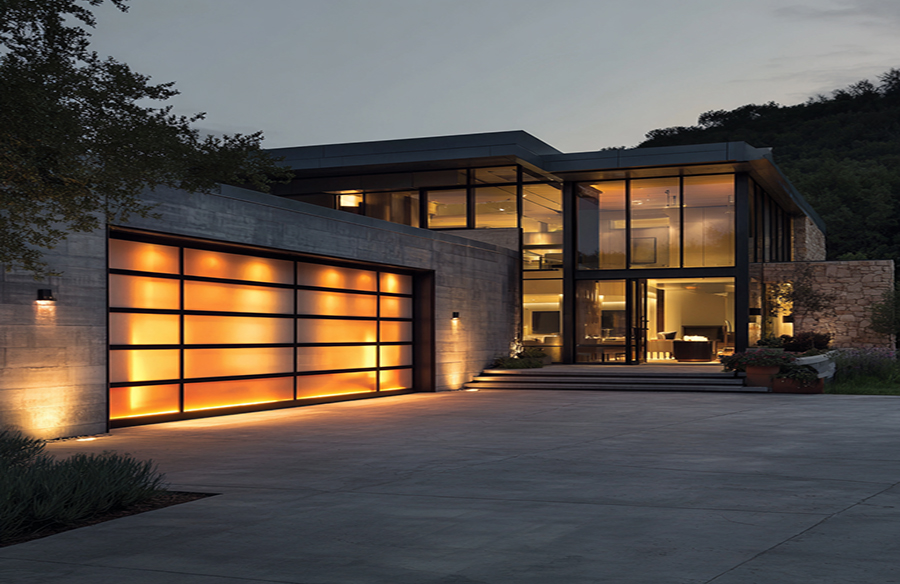
When architects approach the conversation about contemporary garage door installation projects, they’re no longer discussing mere functional necessities tucked away at the side of a structure. Today’s discourse around strategic garage door installation planning recognizes these expansive moving facades as one of the most significant design opportunities in residential architecture, often occupying 30 percent or more of a home’s street-facing elevation. Like discovering that the supporting actor has been the star all along, design professionals are finally giving these elements the architectural attention they deserve.
The transformation happening in garage door design mirrors a broader shift in architectural thinking where every surface, every material choice, and every detail contributes to the overall narrative of a building. This evolution creates exciting possibilities for architects who understand that thoughtful garage door integration elevates entire projects from competent to exceptional. Architecture students exploring adaptive facade concepts are already reimagining these elements as dynamic architectural statements that respond to environmental conditions and user needs, pointing toward a future where the boundary between static architecture and responsive building systems continues to blur.
The Material Revolution Reshaping Facade Possibilities
Sophisticated material selection separates truly exceptional garage door installations from merely adequate ones. The palette available to architects has expanded dramatically, offering options that would have seemed impossible just a decade ago. Like a painter who suddenly discovers an entire spectrum of previously unavailable colors, design professionals now work with materials that solve multiple design challenges simultaneously.
Thermally modified timber presents one of the most exciting developments for architects seeking authentic wood aesthetics without traditional maintenance concerns. This process, which exposes wood to controlled heat treatment, fundamentally alters its cellular structure to enhance dimensional stability and weather resistance. The result resembles aged wine that has developed complexity and character through careful aging, except here the transformation happens through precise thermal engineering rather than patient waiting.
Fiber-reinforced polymer composites represent another breakthrough, offering the visual richness of natural materials combined with performance characteristics that surpass traditional options. These advanced materials can replicate the grain patterns and textures of exotic hardwoods while maintaining structural integrity across extreme temperature variations. Think of them as the architectural equivalent of performance fabrics in high-end sportswear, where cutting-edge materials deliver capabilities that natural fibers simply cannot match.
Patinated metals, particularly weathering steel and specialized copper alloys, create living facades that evolve visually over time. Unlike materials that degrade with age, these selections improve aesthetically as protective patinas develop. This approach aligns beautifully with sustainable design principles that celebrate materials aging gracefully rather than requiring constant intervention to maintain pristine appearances. The surface becomes a temporal record, documenting the building’s interaction with its environment through subtle shifts in color and texture.
Glass Technology Advancing Transparency and Privacy
The evolution of glass technology has transformed garage doors from opaque barriers into sophisticated elements that modulate light, views, and privacy with remarkable precision. Electrochromic smart glass represents perhaps the most dramatic advancement, allowing instant transitions between transparent and opaque states through electrical current application. This technology gives homeowners unprecedented control over visual connectivity between indoor and outdoor spaces.
Structural glass systems have advanced to the point where entire garage door assemblies can appear as seamless crystalline surfaces with minimal visible framing. Like jewelers who set precious stones in settings so delicate they seem to float, manufacturers now create glass garage door systems where the transparency dominates the visual experience while the supporting structure recedes from perception. These installations create stunning connections between interior spaces and exterior landscapes, particularly effective in designs where garages serve as transitional zones between arrival sequences and living areas.
Fritted and acid-etched glass options provide permanent privacy solutions that eliminate the need for curtains or blinds while maintaining abundant natural light transmission. These treatments can incorporate custom patterns that reference architectural details from the main building, creating visual continuity across different facade elements. The best implementations feel like integral design decisions rather than afterthought privacy solutions.
Insulated glass units with low-emissivity coatings address the traditional performance limitations of glass garage doors, making them viable options even in extreme climates. Advanced spacer systems and gas fills create thermal performance that rivals opaque insulated panels while preserving the visual lightness that makes glass doors appealing. This represents a genuine win for architects who previously faced frustrating tradeoffs between aesthetic preferences and thermal performance requirements.
Minimalist Hardware and Concealment Strategies
The trend toward visual minimalism extends deep into the mechanical realm, where innovative engineering solutions eliminate or hide traditional hardware elements that previously cluttered garage door appearances. Like watching a skilled magician whose trick seems impossible because the mechanism remains invisible, today’s high-performance garage door systems achieve remarkable functionality while maintaining clean visual presentations.
Side-mounted operator systems represent one significant advancement, relocating motors and drive mechanisms to positions beside door openings rather than overhead. This approach preserves ceiling space in garage interiors while eliminating the visual clutter of exposed tracks and mechanisms. For architects working on modern designs where clean lines and uninterrupted planes define the aesthetic, this innovation removes a persistent design challenge.
Flush-mounted hardware systems integrate hinges, handles, and locking mechanisms into door panel surfaces rather than projecting outward. The resulting facades read as continuous surfaces rather than assemblies of discrete components. This attention to detail elevation parallels the refinement visible in high-end furniture design, where joinery becomes nearly invisible and surface continuity dominates the visual experience.
Concealed counterbalance systems hide springs and cables behind architectural trim elements or within door panel assemblies themselves. Previously, these necessary mechanical components created visual interruptions that architects struggled to integrate gracefully. New concealment strategies allow door designs where the mechanical reality of how these large panels move becomes architecturally invisible.
Color and Finish Sophistication
The color palette for garage doors has exploded beyond the limited selection of whites, beiges, and browns that dominated for decades. Contemporary installations embrace the full spectrum, with architects specifying everything from deep charcoals and midnight blues to warm terracottas and rich forest greens. Like fashion designers who recognize that neutrals need not mean boring, architects increasingly specify colors that create deliberate contrast or subtle harmony with surrounding materials.
Matte and satin finishes have largely supplanted the glossy surfaces that characterized earlier generations of garage doors. These lower-sheen options photograph better, show fewer imperfections, and align with contemporary aesthetic preferences that favor understated sophistication over obvious shine. The visual effect resembles the difference between matte and glossy paint on luxury automobiles, where the matte finish communicates confidence and refinement.
Textured powder coat finishes add tactile dimension to metal doors, creating surfaces that invite closer inspection rather than reading as flat, industrial panels. These treatments can reference natural materials like stone or timber while maintaining the performance advantages of metal construction. The most successful applications feel authentic rather than imitative, celebrating the underlying material while adding visual richness through surface treatment.
Custom color matching capabilities allow architects to specify garage door colors that precisely coordinate with other facade elements, creating deliberately harmonious or deliberately contrasting effects as design intent requires. This level of control eliminates the frustrating experience of trying to find acceptable compromises between available standard colors and ideal design visions. Modern garage architecture showcased by leading design publications demonstrates how thoughtful color selection transforms these elements from background features into intentional design statements.
Modular and Sectional Design Innovation
Modular garage door systems represent a significant departure from traditional monolithic panel construction, offering architects flexibility to create custom configurations that respond to specific site conditions and design requirements. Like building with sophisticated construction sets where components combine in countless ways, these systems enable unique solutions without requiring fully custom fabrication.
Mixed-material panels that combine wood, metal, and glass within single door assemblies create visual interest while addressing different functional requirements across the door surface. Lower panels might utilize durable metal construction for impact resistance, while upper sections incorporate glass for daylighting. This approach mirrors curtain wall design strategies where different glazing types serve different purposes within a unified facade system.
Asymmetric panel layouts break away from the repetitive horizontal banding that characterizes traditional garage doors. Like musical compositions that use syncopation and irregular rhythms to create interest, these designs employ varying panel widths and heights to generate dynamic visual patterns. The most successful implementations feel intentional rather than arbitrary, with panel divisions that reference architectural rhythms visible elsewhere in the building.
Removable panel systems allow seasonal reconfiguration, where solid panels might be swapped for screened or louvered panels during warmer months to enable natural ventilation. This adaptive approach treats garage doors as climate-responsive building elements rather than static barriers. For architects designing in temperate climates where garages serve multiple functions throughout the year, this flexibility creates genuine value.
Smart Integration and Connectivity
The integration of garage doors into comprehensive home automation systems has progressed far beyond simple remote operation. Contemporary installations connect seamlessly with security systems, climate control networks, and lighting management platforms. Like the nervous system that coordinates responses across different body systems, these integrated approaches treat garage doors as intelligent components within larger building management ecosystems.
Geofencing capabilities automatically trigger door operations based on homeowner location data from smartphones, eliminating the need for manual activation as residents approach or depart. The system recognizes authorized users and responds accordingly, creating the frictionless experience that characterizes well-executed automation. This represents the kind of thoughtful technology integration that improves daily life without drawing attention to itself.
Integrated camera systems provide visual verification of door status and real-time monitoring of garage interior spaces. These features address security concerns while enabling remote management capabilities that bring peace of mind to traveling homeowners. The best implementations incorporate cameras so seamlessly into door design that they remain nearly invisible while providing comprehensive coverage.
Predictive maintenance algorithms analyze operational data to identify developing mechanical issues before they cause failures. Like skilled diagnosticians who detect subtle symptoms indicating larger problems, these systems alert homeowners to gradually wearing components that should be replaced proactively. This approach minimizes inconvenience while extending overall system longevity through timely intervention.
Environmental Performance and Sustainability
High-performance insulation systems transform garage doors from thermal weak points into genuine contributors to building envelope performance. Multi-layer foam core construction with thermal break technology achieves R-values that rival wall assemblies, making attached garages significantly less costly to climate control. For architects pursuing rigorous energy efficiency targets, these performance improvements eliminate garage doors as problematic exceptions that compromise overall thermal performance.
Recycled content materials address sustainability concerns while maintaining the aesthetic and functional qualities that architects require. Steel doors manufactured from recycled content offer identical performance to those using virgin materials while significantly reducing embodied carbon. This represents the kind of invisible sustainability improvement that accumulates across multiple building components to create meaningful environmental benefits without requiring design compromises.
Solar-ready designs incorporate integrated photovoltaic systems that generate electricity while maintaining clean aesthetic presentations. Like rooftop solar installations that have become increasingly refined and less obtrusive, garage door solar systems represent practical renewable energy generation that doesn’t announce itself visually. For net-zero or energy-positive projects, these systems contribute meaningfully to overall energy balance.
Durable finishes and weather-resistant materials extend service life, reducing the frequency of replacement and associated environmental impacts. The most sustainable building components are those that perform reliably for decades rather than requiring premature replacement due to premature deterioration. For architects committed to lifecycle thinking, specifying garage doors engineered for longevity represents an important sustainability strategy.
Architectural Integration and Contextual Response
The most successful garage door installations demonstrate thoughtful integration with overall architectural composition rather than existing as isolated design decisions. Panel rhythms echo window patterns, material selections reference facade cladding, and color choices create deliberate relationships with surrounding elements. Like skilled composers who develop musical themes across different movements, architects who approach garage doors as integral components create more cohesive designs.
Scale manipulation through oversized or undersized panel configurations can alter perceived door dimensions, making large openings feel more residential or small openings appear more substantial as design intent requires. This represents sophisticated facade composition that goes beyond simply selecting attractive products to actively shaping how observers perceive and experience buildings.
Textural coordination ensures garage doors contribute appropriately to overall facade tactility. Smooth contemporary designs might specify flush metal panels that align with minimalist aesthetics, while traditional projects might incorporate raised panel configurations that reference historic precedents. The key lies in conscious decision-making rather than defaulting to generic options.
Lighting integration, where doors incorporate or interact with carefully positioned fixtures, creates dramatic nighttime presentations that transform these elements into glowing architectural features. Like theatrical lighting that reveals form and creates mood, well-conceived garage door lighting elevates ordinary installations into compelling nocturnal displays.
The Contemporary Design Opportunity
Garage doors represent one of the most significant untapped design opportunities in contemporary residential architecture. As material options expand, performance capabilities improve, and integration possibilities multiply, architects who approach these elements with the same rigor they bring to other facade components create distinctly superior results. The days of treating garage doors as necessary evils to be minimized or hidden have given way to an era where these elements contribute meaningfully to architectural expression and building performance.
For design professionals committed to creating buildings that excel across aesthetic, functional, and environmental dimensions, contemporary garage door options provide genuine opportunities to advance all three simultaneously. The trends dominating 2025 installations reflect architectural values that prioritize material authenticity, performance excellence, technological integration, and contextual sensitivity. By embracing these possibilities rather than defaulting to conventional solutions, architects elevate their work while creating genuine value for clients who will experience these design decisions daily for decades to come.