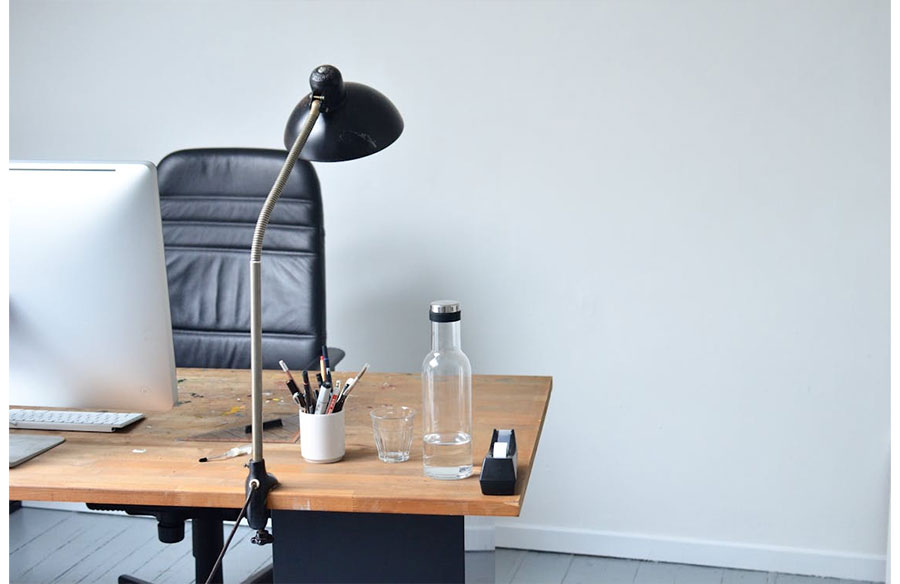
Walk into any office and you can read the space in seconds. How people sit, how they reach for a notebook, where cables spill, and how daylight hits a work surface all say more about the design than a mood board ever could.
A one-size desk often fights the plan. Edges sit at the wrong height, storage eats circulation, and power drops end up where a chair wants to roll.
Custom furniture solves those frictions. For teams that want form and function in one object, a Wood Computer Desk sets the tone for both workflow and material quality, while keeping the space calm and coherent.
Start With How People Work
Before sketches, list the real tasks. Do users work on dual monitors or a single laptop. Do they write by hand, review drawings, or spread samples. Hours at the desk matter too. Long stretches of focused work call for a larger clear zone and steady lighting.
Shared hot desks need durable finishes that handle cleaning and frequent use.
Translate tasks to dimensions. Typical seated desk height sits near 72 to 76 centimeters, with the keyboard at elbow level and wrists straight. Monitors should keep the top of the screen at or just below eye height and about an arm’s length away.
If the program allows, plan for a height adjustable base to support sit and stand positions across a range of users.
Choose Wood With Purpose
Species is not only a color choice, it is performance. Hardwoods like white oak, walnut, and maple resist dents and take a consistent finish. Softwoods can be lighter in weight and warmer in tone, though they need more care.
Grain direction matters at the work edge, where forearms rest and finish wear shows first. Ask for grain to run along the long dimension on rectangular tops, with eased radii on corners to avoid sharp impacts.
Boards can be bookmatched or laid in continuous planks for a quieter read. Wide planks look generous but require careful allowances for seasonal movement. A solid top needs room to expand and contract across the grain.
Makers often use figure-8 fasteners or slotted brackets so the top can move without splitting. If the project calls for a curved or L-shaped piece, discuss joinery at inside corners so the seam reads intentional, not accidental.
Finishes should match use. Hard-wax oils are repairable and keep the wood feeling natural. High-build catalyzed finishes resist spills and cleaning in high-traffic settings. Ask to see sample chips under the actual lighting in the space.
You will catch sheen shifts and color cast that a render cannot show.
Plan Structure, Storage, and Power
A custom desk should look clean and work clean. Start with a cable map. Note where power comes from, where it needs to land, and how cords move between devices.
Grommets, under-top trays, and rear channels keep cords off the floor and out of handles and chair casters. If the desk floats in a room, consider a central spine under the top that hides a power bar and data ports, with a removable hatch for service.
Storage needs should be honest. A single lockable drawer for valuables is often enough for open offices with lockers elsewhere. In private offices, shallow pencil drawers, a file bay, and a hidden charging nook handle the daily mix of paper and devices.
Place drawer faces back from the user’s knees so posture stays open. For teams that shift between sketching and typing, add a pull-out shelf sized to an A3 pad or compact keyboard.
Structure is about feel as much as strength. A 3 to 4 centimeter top reads solid without excess weight. Steel frames with a slim profile can carry long spans while keeping leg room open. Wood aprons work well if you keep them shallow near the user.
Many makers offer the choice of metal or wood legs. Pick the option that echoes other architectural lines in the room, like door frames or stair rails, so the desk sits comfortably in the whole interior.
Design For Health And Longevity
Comfort keeps teams working well. Neutral wrist angles, feet flat on the floor, and the ability to change position reduce discomfort over the day. Simple moves like placing the monitor so the neck stays relaxed can lower fatigue.
Longevity is both material and service. Solid wood can be renewed. Scratches can be blended. A finish can be refreshed after years of use. That is a different story than replacing a composite top that chips or swells at edges.
If the project values lower waste, ask for reclaimed or repurposed stock. Using wood that has already served a life keeps new material out of the waste stream and supports a circular mindset that many institutions now promote.
Make The Desk A Part Of The Architecture
A custom desk should belong to the room. Pick dimensions that respect axes, windows, and circulation. In a corner office, an L-shape can frame day and task zones without blocking views. In a compact studio, a curved front softens tight paths and prevents shin bumps.
Where daylight is strong, pull the work surface out of direct glare, then use a matte finish to reduce reflections.
Material tone can bridge programs. A warm walnut top next to cool concrete floors adds balance. If the room has blackened steel in stair stringers or shelving, repeating that finish on desk legs ties the pieces together.
If storage flanks the desk, carry the top thickness into a shelf front or a window seat cap so the space reads as one build, not a pile of parts.
Think about sound and privacy too. A solid wood modesty panel can block views under the desk and help with cable concealment. Felt panels mounted behind or beside the desk can calm reverberation in hard-surfaced rooms.
Small shifts like these make heads-down work easier without changing the whole plan.
Specify With Clarity
Good specs prevent confusion on site. Define overall length, width, and height, plus the clear knee space and setback of drawer faces. Call out the top thickness, edge profile, corner radius, and a sample ID for the finish.
List the cable routing plan, the location and size of grommets, the number and type of power ports, and how access panels open. If the desk has a height adjustable base, include the range and control placement so users do not knock it with their knees.
Lead times and delivery paths matter. Solid wood desks are heavy, and large tops may need to be assembled in the room. Measure stairs, elevators, and door swings. Request shop drawings that show break points and connections.
If the maker offers named designs, like L-shaped, curved, or executive formats with integrated drawers or leather-wrapped edges, use those as a base and adjust dimensions to fit the plan rather than starting from a blank page.
Finally, consider maintenance. Provide care notes with simple steps, like wiping with a damp cloth, avoiding harsh cleaners, and scheduling a yearly check of fasteners and finish. A small kit with touch-up oil or wax keeps the piece looking good and reduces service calls.
 Takeaway
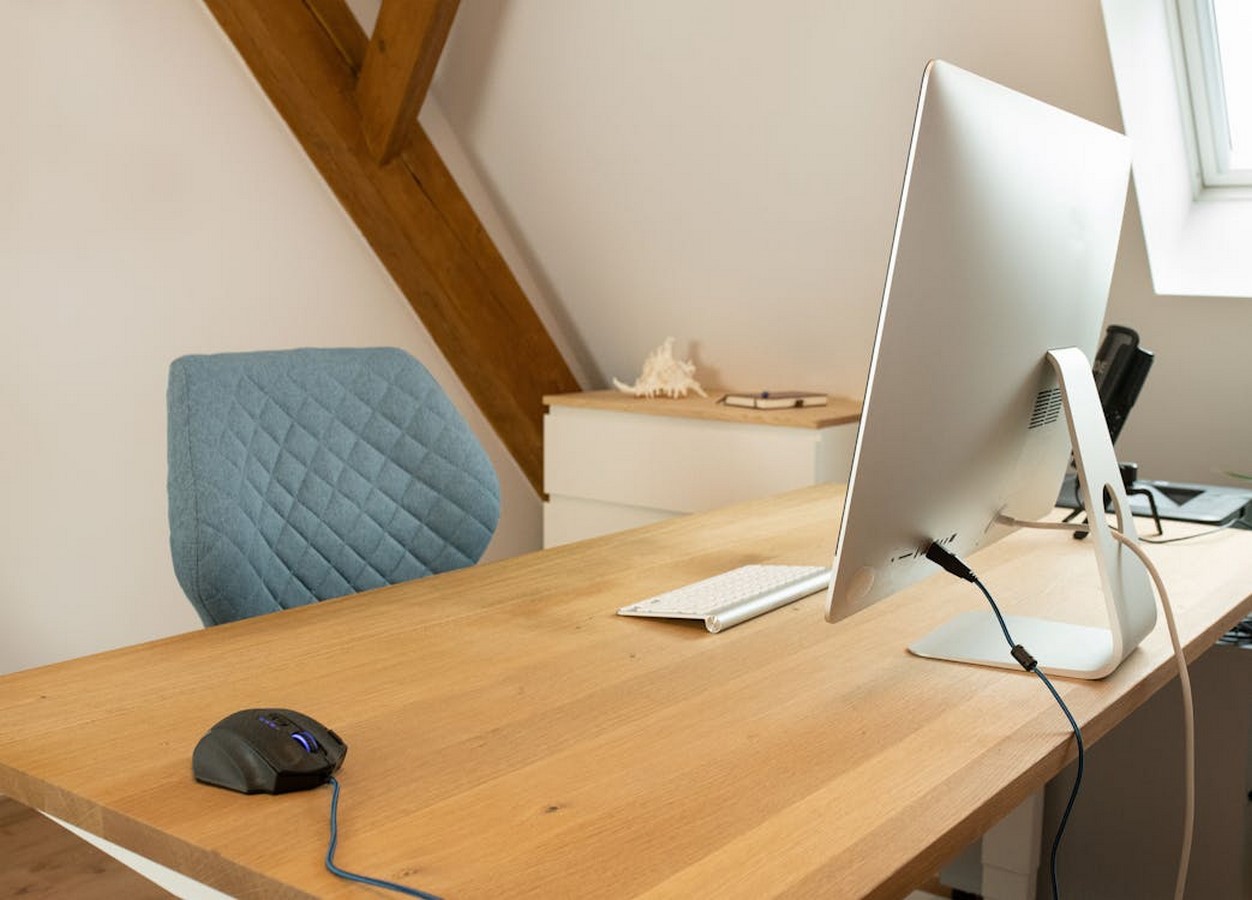
A well planned custom desk helps people work better and keeps a project honest to its design intent. By aligning dimensions with tasks, choosing wood and finishes that fit the use, and hiding the mess of modern tech, you can place a piece that looks right on day one and stays useful for years. That is good for users, good for facilities, and good for the space you are shaping.