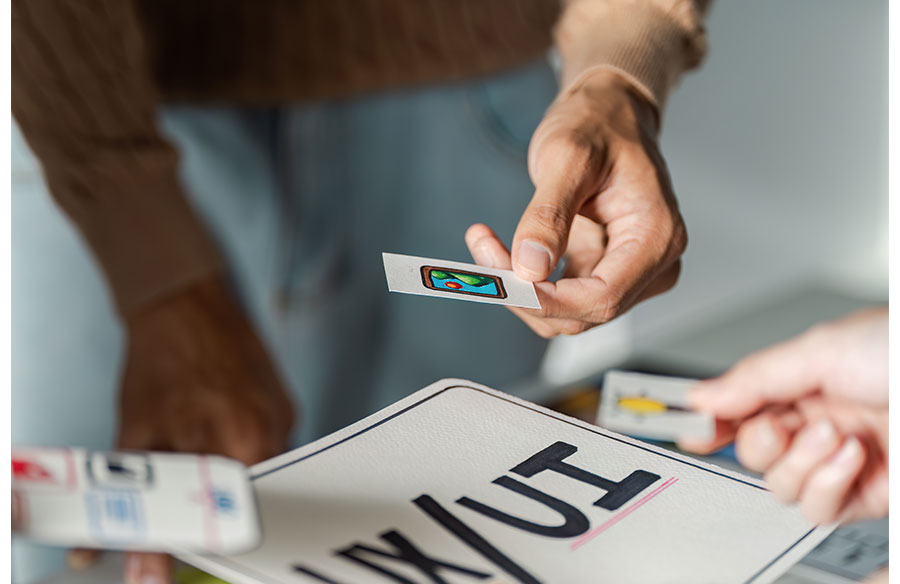
Independent musicians face a constant challenge: standing out in an industry dominated by major labels and streaming platforms. While digital tools like social media and music apps are essential, physical print materials remain powerful ways for artists to connect with audiences. Stickers, posters, flyers, and business cards may seem simple, but for musicians trying to grow their presence, these items are practical, affordable, and effective. They help create memorable experiences, build brand identity, and expand reach far beyond the stage.
The music industry has long relied on print. Think about iconic concert posters from the 1970s or band stickers from the 1990s plastered across guitar cases and skateboards. These materials didn’t disappear with the rise of digital platforms. Instead, they have become more intentional, with independent musicians using them to create tangible connections in a world saturated with screens.
For a fan, receiving a sticker at a live show or a postcard in the mail feels personal in a way that a social media follow never could.
Stickers as Portable Promotions
Stickers are one of the most cost-effective tools in an artist’s promotional toolkit. A small investment allows musicians to produce hundreds of pieces that fans can share, stick, and display. Unlike a social post that disappears after a few hours, a sticker lives on wherever it is placed – a laptop, a guitar case, a water bottle, or even a street sign.
Fans often view stickers as collectibles. If a band hands out a limited edition die cut sticker with its logo at a show, fans are more likely to keep it as a memento. For musicians, this means ongoing visibility. Each sticker is a mini billboard carried by the fan into different spaces. The portability of stickers gives them an edge over other promotional formats, especially when artists are working with limited budgets.
Flyers and Posters for Local Gigs
Local promotion remains vital for independent artists, particularly when building a grassroots following. Flyers and posters distributed around neighborhoods, cafes, and community centers are still one of the most reliable ways to draw an audience to a live show. A bold design posted in the right place can attract attention from passersby who may not have discovered the artist online.
For fans, posters often become keepsakes. Collectors prize gig posters that mark special performances or tours. Independent artists can use posters not only as advertisements but also as merchandise. Limited-run prints signed by the band can be sold at concerts, adding a revenue stream while deepening the bond with fans.
The table below highlights how different print items function for musicians trying to reach audiences:
| Print Material | Primary Use | Value for Fans and Artists |
| Stickers | Handouts at shows, free merchandise | Portable, collectible, visible long-term |
| Flyers | Local promotion for gigs and events | Affordable and widely distributed |
| Posters | Advertising and memorabilia | Works as both promo tool and merch |
| Business Cards | Networking with venues and contacts | Professional and direct |
| Postcards | Fan mailers or album announcements | Personal, tangible, memorable |
By combining different materials, artists can build campaigns that cover both awareness and long-term fan engagement.
Business Cards with a Modern Twist
While musicians might not be the first group associated with business cards, they play a role in networking. Artists meet venue managers, producers, or collaborators regularly, and a card leaves a professional impression. Modern business cards often feature QR codes that link directly to music platforms or social accounts, bridging the gap between physical and digital.
Instead of scribbling social handles on scraps of paper, an artist can hand over a professionally designed card with streaming links, making it easier for contacts to follow up. This practice not only looks polished but also saves time. Business cards are also easy to distribute at events where formal introductions are brief, yet meaningful connections can be made.
Limited Edition Prints for Fans
Exclusivity is one of the strongest drivers of fan engagement. Musicians can create limited edition sticker runs tied to new singles, albums, or tours. For example, a holographic sticker available only during one concert series becomes a prized collectible among fans. Posters work in a similar way when tied to specific shows.
This strategy not only builds excitement but also drives sales. Fans are more willing to purchase merchandise when they know it is limited. Independent musicians can capitalize on this by producing small runs of custom stickers or prints that carry the story of their music. A good starting point is the sticker creator over at Jukebox.
Cost-Effectiveness for Independent Artists
Print materials remain one of the most affordable promotional tools available. Producing a batch of stickers or flyers often costs less than running a single targeted ad campaign online. For grassroots musicians, this affordability means they can reach people without straining limited budgets.
The return on investment is also high. A flyer may cost only a few cents but can bring multiple attendees to a concert. A sticker handed out to a fan might appear in public spaces for years, continuously spreading awareness. While digital ads fade quickly, print items persist.
Here is a simple comparison showing how print materials stack up for independent artists working on tight budgets:
| Format | Average Cost | Longevity | Reach Potential |
| Stickers | Low (bulk printing) | Long – years on items | Wide, portable exposure |
| Flyers | Very low | Short – event-based | Local community reach |
| Posters | Moderate | Long if kept by fans | Both promo and merch |
| Business Cards | Low | Medium – professional | High networking value |
| Digital Ads | Variable, often high | Short – campaign end | Broad but fleeting |
The numbers demonstrate why so many independent artists still invest in print as a foundational strategy.
Building Identity Through Design
Music is more than sound – it is also identity. Print materials carry the colors, fonts, and visuals that represent an artist’s image. A punk band might distribute die cut stickers with bold black-and-red graphics, while a folk singer might use natural textures and softer colors. The consistency across stickers, posters, and cards reinforces the artist’s identity in the minds of fans.
Good design creates familiarity. When fans repeatedly see the same logos or color schemes, recognition grows. This is especially valuable for smaller artists who need to establish themselves in a crowded industry. Services that allow for custom finishes, like foil or holographic printing, give musicians the ability to stand out with distinctive merchandise.
Fan Engagement Through Print
The emotional impact of print cannot be overlooked. Receiving a physical item from a favorite artist builds a sense of closeness. A sticker tucked into a vinyl purchase or a handwritten postcard from a crowdfunding campaign creates a bond far stronger than a digital thank-you message.
Fans often share these items online, ironically extending their reach in the digital space. A well-designed sticker posted on Instagram can gain traction, introducing the artist to new listeners. The combination of physical and digital engagement strengthens overall visibility.
Independent musicians often underestimate the power of tangible materials. Stickers and posters are not just marketing tools – they are part of the fan experience. They turn casual listeners into loyal supporters.
Closing Thoughts
Independent musicians thrive on creativity not just in their music but also in how they promote themselves. Stickers, flyers, posters, and other print materials remain timeless tools that bridge the gap between artist and audience. Affordable, portable, and memorable, they give fans something to hold onto while reinforcing the artist’s identity.
While digital promotion will always be part of the equation, physical print products offer something different: connection that lasts. By incorporating stickers and print materials into their strategies, independent musicians build stronger fan bases, one sticker and one poster at a time.