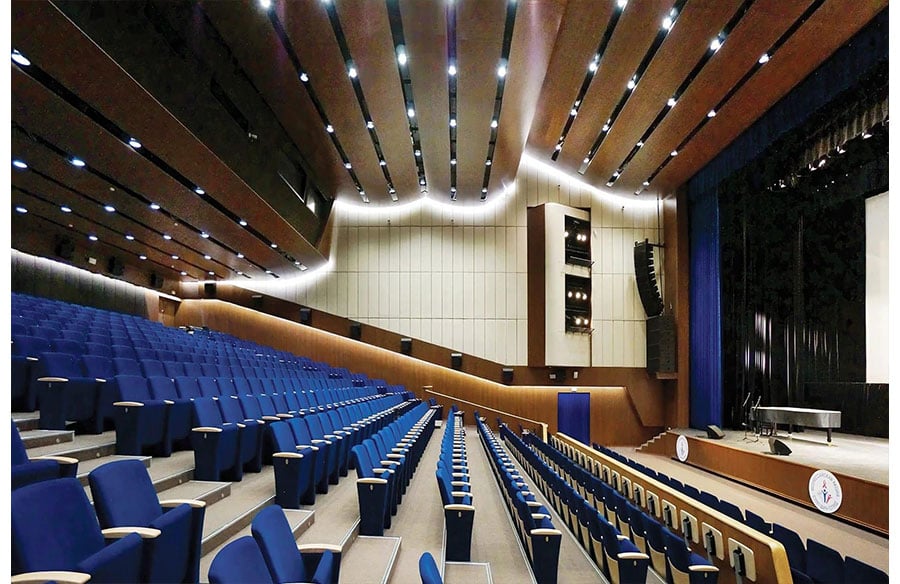
Italian architect Paolo Lettieri has established a reputation for transforming bold ideas into spaces that transcend cultural boundaries. Through his firm UPA Italia, he continues to redefine the relationship between design, technology, and context — creating architecture that acts as a universal language. The VGIK Auditorium, designed by Architect Paolo Lettieri, captures this spirit perfectly and has become one of his greatest achievements. Designed for the world’s oldest film school, it bridges Italian design sensibility with the intellectual and artistic legacy of Russian cinema, translating cultural dialogue into built form. This project reflects his belief that architecture is not confined by geography but defined by imagination.
The Visionary Behind the Design
At UPA Italia, Lettieri’s approach to architecture merges creativity with technological intelligence. His philosophy places design at the intersection of beauty, function, and cultural awareness — where innovation serves meaning rather than spectacle.
Across projects ranging from public buildings and educational facilities to offices and cultural institutions, he consistently balances aesthetic rigor with environmental and social sensitivity. This ability to adapt to diverse contexts while maintaining an Italian sense of proportion and clarity defines his architectural identity.
Concept and Vision: Reinterpreting a Cultural Legacy
Located within the All-Russian State Institute of Cinematography (VGIK), the auditorium occupies a symbolic position at the core of Moscow’s artistic heritage. When Paolo Lettieri was commissioned to design the new space, his challenge was to honor a century-old legacy while introducing a new architectural language for contemporary performance and film education.
Emerging in the mid-2010s — a period when Russian architecture was searching for a renewed identity after decades of stylistic transitions — the project proposed a contemporary modernist vocabulary: elegant, disciplined, and free of superfluous ornament.
The result is a hall where architecture, light, and acoustics converge into a single immersive experience. Every line and surface was designed to enhance both perception and performance, balancing technical precision with a refined aesthetic sensibility. By blending Italian craftsmanship with Russian cultural depth, Lettieri created an environment that feels both timeless and forward-looking — a physical expression of creative continuity.
 Architectural Language and Design Innovation
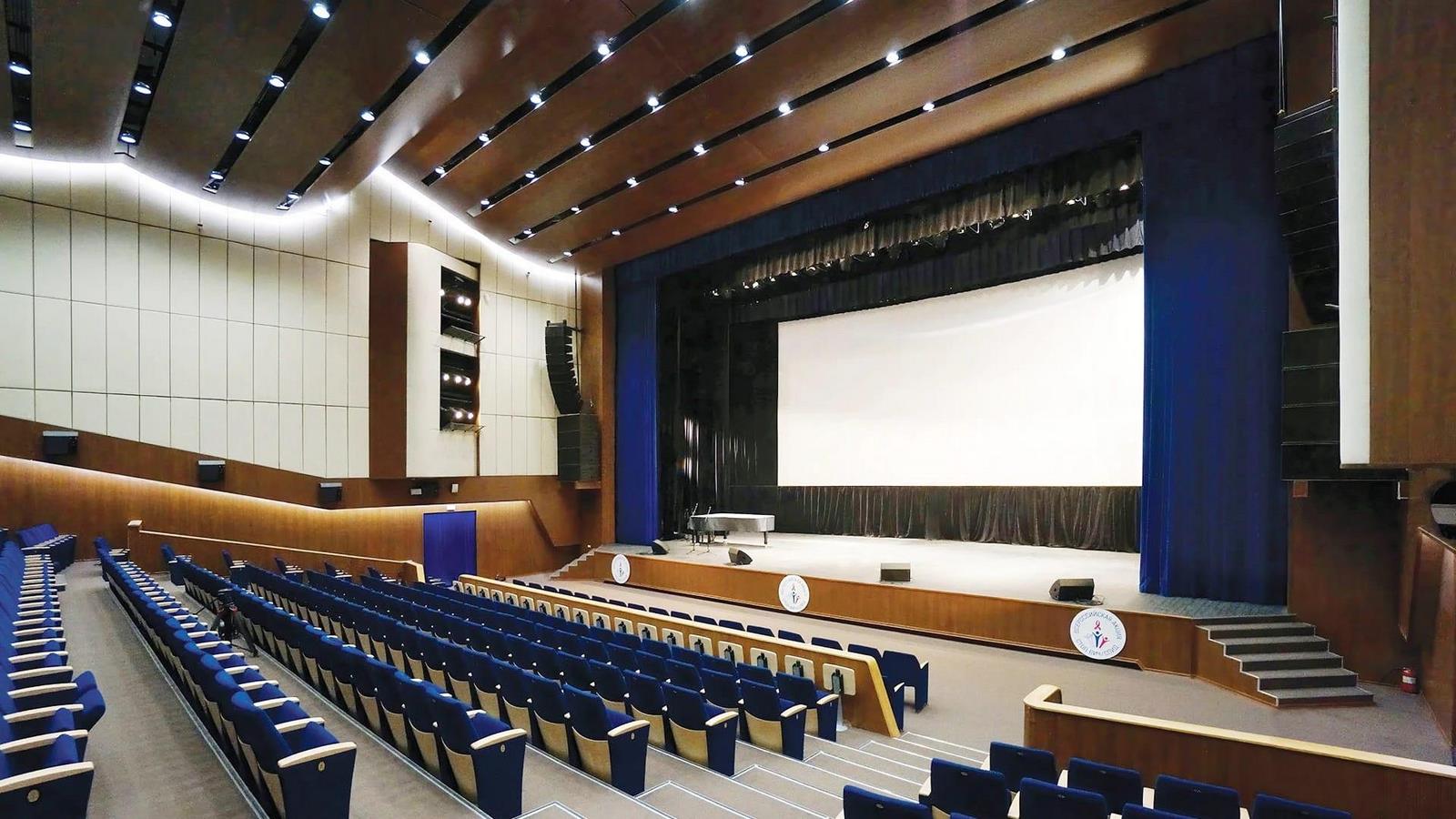
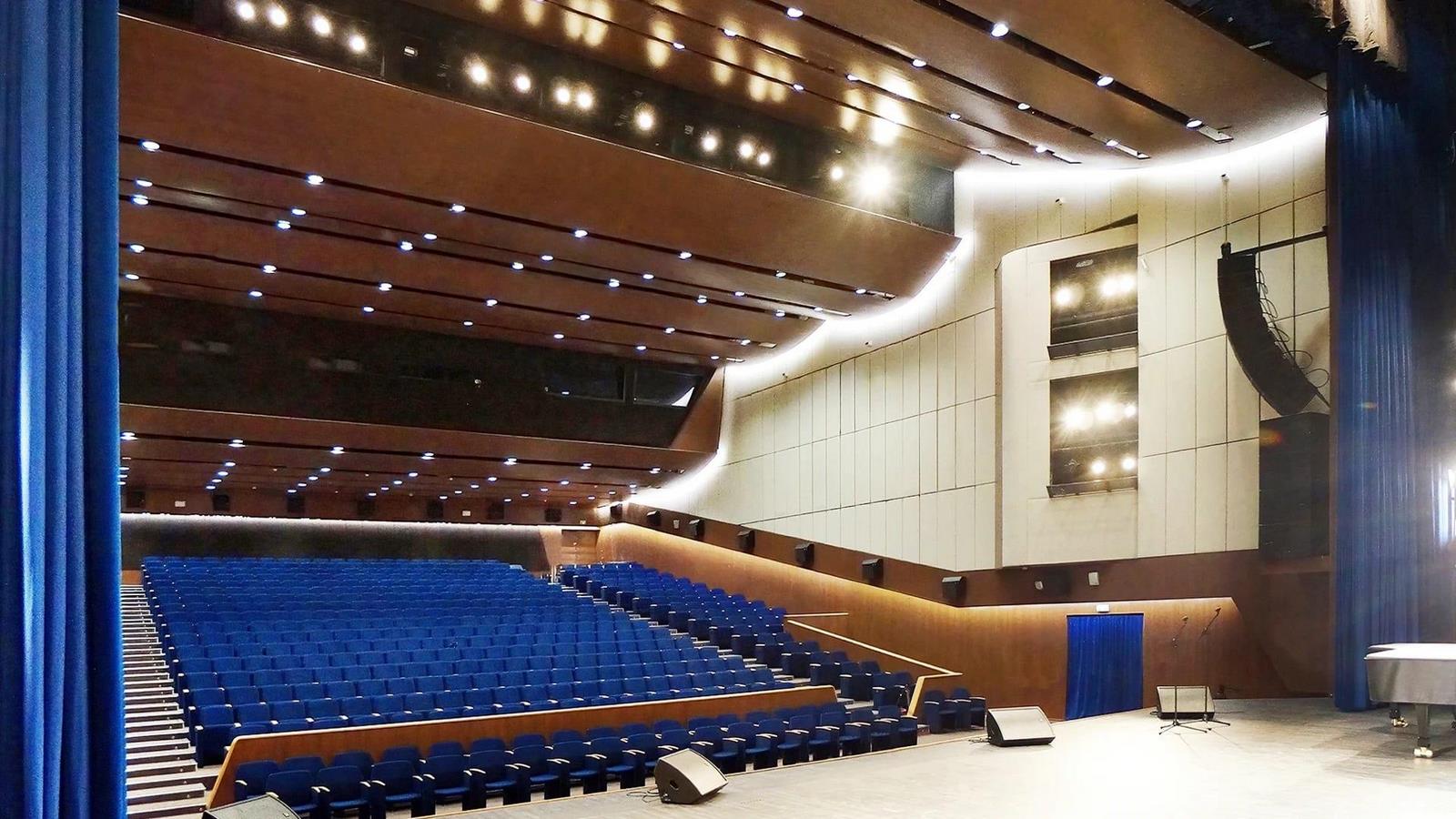
The VGIK Auditorium exemplifies Lettieri’s capacity to transform functional requirements into emotional experience. The geometry of the hall, the modulation of light, and the acoustic treatment are orchestrated to establish a dialogue between form and perception.
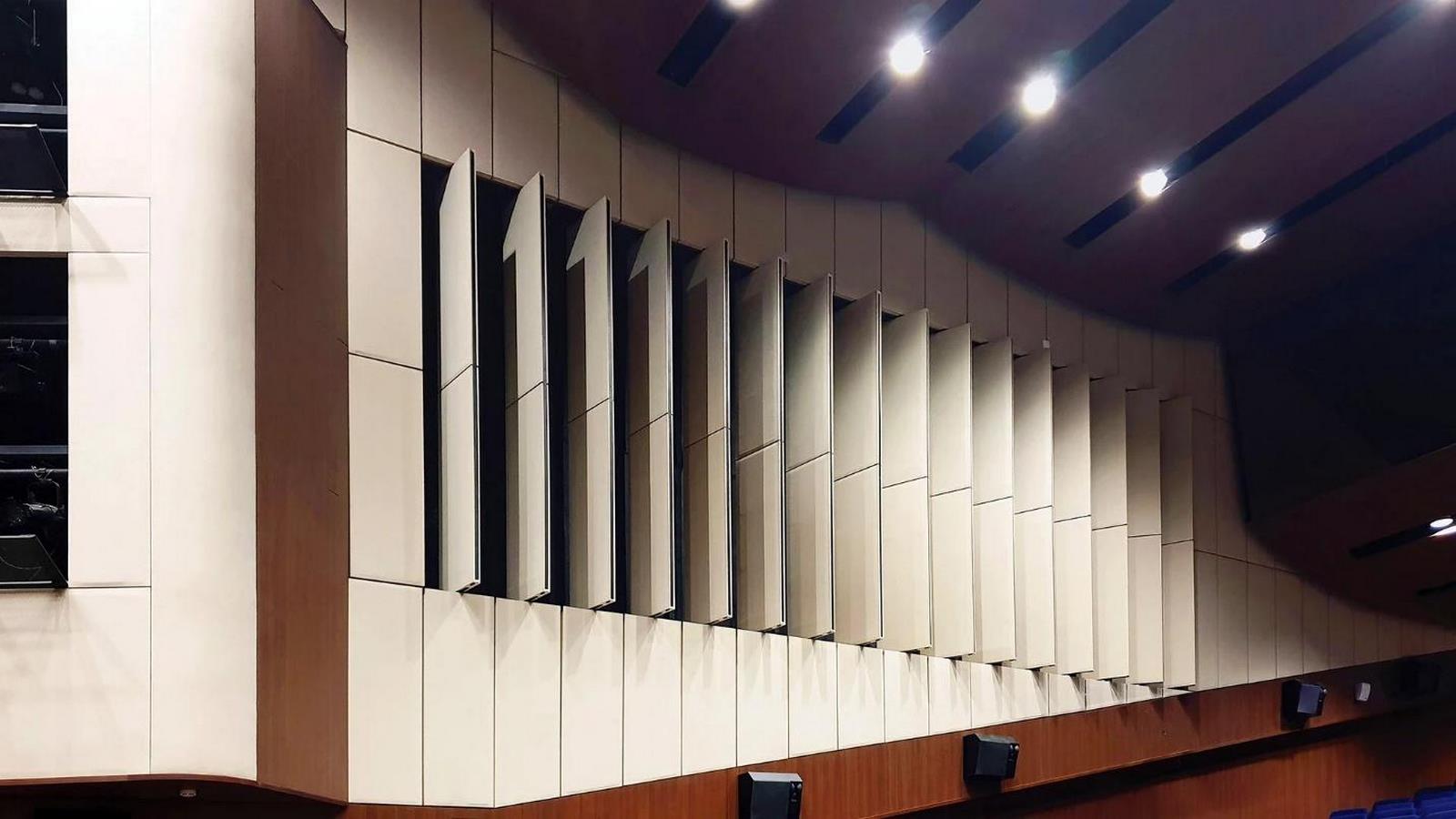
The rounded shapes of the false ceiling were designed to maximize the control of acoustic reflections and to provide uniform sound distribution across all seats. An innovative system of digitally controlled rotating acoustic panels allows the acoustics of the hall to transform from a cinema to a concert configuration.
Materials were selected for their tactile and acoustic properties rather than mere visual appeal, reinforcing the idea that design excellence lies in restraint, not excess.
 Multicultural and Multidisciplinary Cooperation
The philosophy behind UPA Italia’s projects embraces the belief that the best results emerge from cooperation among teams with diverse cultural backgrounds and multidisciplinary expertise. In the case of the VGIK Auditorium, the UPA Italia design team included professionals of various nationalities — Italians, Russians, Indians, and Iraqis — reflecting the firm’s global ethos.
From a technical standpoint, a key contribution came from Italian engineer Marcello Brugola, an expert in acoustics and vibration. Equally essential were the efforts of the local Russian construction company and partners, whose collaboration ensured the project’s successful execution. The project also benefited from numerous Italian suppliers and craftsmen whose precision and excellence were instrumental to its realization.
Italian Architecture on a Global Stage
Through projects like the VGIK Auditorium, Paolo Lettieri continues to demonstrate how Italian architecture can make a lasting impact on the global stage. His work proves that design can serve as a bridge between cultures — not by imposing one identity over another, but by blending them into something new and inspiring.
Each project becomes a cross-cultural narrative, where Italian precision and sensibility intersect with local tradition and climate. The VGIK Auditorium stands as a testament to this approach — a space born from collaboration, respect, and the belief that architecture can express a universal language of knowledge and creativity.
 About UPA Italia
UPA Italia is an Italian architecture and design firm founded by Architects Paolo Lettieri and Aswan Zubaidi, known for creating spaces that combine innovation, sustainability, and cultural depth. With projects spanning Europe, the Middle East, and Asia, UPA Italia operates through research-driven design, adapting each project to its social and environmental context.
From cultural landmarks to modern commercial environments, the firm’s work reflects a consistent belief: architecture is not only about building spaces, but about connecting people, ideas, and places.