Why Property Safety Should Never Be Overlooked
In London’s property market, safety is not only a legal duty but also a cornerstone of trust between landlords and tenants. While some landlords may view routine inspections or safety checks as unnecessary expenses, neglecting them often comes at a much higher price in the long run. Failing to follow regulations can lead to fines, legal battles, expensive repairs, and, most importantly, risks to human life.
Financial Penalties for Non-Compliance
London authorities take property safety very seriously. Landlords who neglect their obligations face steep fines that can quickly add up. Safety regulations cover a wide range of areas, from gas and electrical systems to fire precautions and structural integrity. When inspections are skipped or reports are ignored, councils and regulators often respond with penalties that far exceed the cost of compliance.
Even minor violations can result in heavy fines. Over time, repeated breaches may also affect a landlord’s ability to continue renting properties. What may have started as a way to save money can easily end in financial losses that damage long-term profitability.
Legal Consequences for Neglect
Neglecting property safety is not just about financial costs; it also carries serious legal risks. Under UK housing law, landlords must provide safe living conditions, and tenants are entitled to take legal action when standards are not met. In London, where tenant awareness is high, this often results in disputes, rent repayment orders, or even criminal proceedings in severe cases.
The UK Government’s housing guidance makes it clear that landlords are legally responsible for maintaining safety standards. Failure to do so leaves landlords vulnerable to enforcement action, court cases, and in extreme situations, imprisonment.
The Role of Gas Safety in Property Compliance
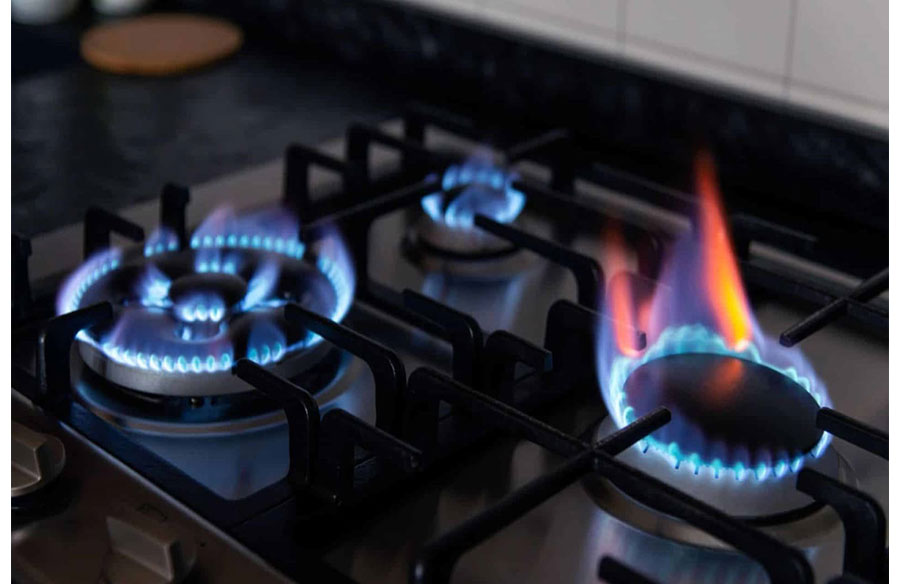
In London, landlords are required to follow strict safety regulations that cover everything from heating systems to ventilation.Part of this responsibility includes securing Gas Safety Certificates, which confirm that gas appliances have been inspected by a qualified engineer and are safe for use. Skipping this step might seem minor, but the risks—from gas leaks to carbon monoxide exposure—can quickly escalate into serious health hazards and expensive legal consequences.
The Price of Emergency Repairs
One of the hidden costs of neglecting safety is the expense of emergency repairs. Ignoring small problems often means they grow into major issues over time. For example, a loose electrical connection may seem minor but could later cause a fire, requiring costly structural repairs. A leaking pipe left unchecked can lead to damp, mould, and eventually structural damage, which is far more expensive than fixing the initial issue.
In London, where property repair costs are already high, dealing with emergencies is not only stressful but also financially draining. Planned maintenance is always cheaper and less disruptive than dealing with urgent crises.
Impact on Tenant Health and Wellbeing
Safety neglect directly affects tenants, creating unsafe and unhealthy living environments. Issues such as poor electrical systems, faulty heating, or blocked fire exits can put lives at risk. Gas leaks and carbon monoxide poisoning are among the most dangerous consequences of neglect, highlighting why strict regulations exist in the first place.
Beyond physical harm, unsafe conditions also affect mental wellbeing. Tenants who feel unsafe in their homes may experience stress and anxiety, which often leads to disputes, early tenancy terminations, and reputational damage for the landlord.
Reputational Damage in London’s Rental Market
In a competitive city like London, reputation matters. Tenants share their experiences online, and negative reviews can quickly spread. Landlords known for poor safety standards may find it increasingly difficult to attract reliable tenants.
Reputation directly affects rental income. Unsafe properties are harder to rent, and landlords may be forced to lower prices or accept less reliable tenants just to fill vacancies. On the other hand, maintaining strong safety records reassures tenants and helps sustain long-term rental demand.
Insurance Complications
Many landlords overlook the link between safety compliance and insurance coverage. Insurance companies often require proof of regular maintenance and compliance with safety standards. If an accident occurs and investigations reveal that safety checks were ignored, insurers may refuse to cover damages.
This leaves landlords paying out of pocket for repairs, legal costs, or even compensation claims. Considering London’s high property values, these costs can be financially devastating.
Loss of Long-Term Property Value
Neglecting safety not only causes immediate risks but also reduces long-term property value. Buyers and investors increasingly ask for evidence of compliance, maintenance records, and inspection certificates. A property with a history of safety neglect is less attractive and may struggle to sell at market value.
In contrast, landlords who invest in regular inspections and safety measures protect not only their tenants but also the value of their assets. Over time, well-maintained and compliant properties are more profitable and easier to sell in London’s demanding property market.
The Stress of Uncertainty
Cutting corners on safety may feel convenient in the short term, but it creates ongoing stress for landlords. The constant worry about inspections, potential tenant complaints, or unexpected breakdowns makes property management harder and less predictable.
By prioritising safety, landlords gain peace of mind. Knowing that their properties are compliant and well-maintained reduces stress and allows them to focus on managing their investments more effectively.
Why Proactive Safety is the Smarter Choice
The hidden costs of neglect are far greater than the upfront cost of safety compliance. Regular inspections, timely repairs, and adherence to regulations not only protect tenants but also safeguard landlords from financial, legal, and reputational harm.
In London, where the property market is competitive and heavily regulated, professionalism and compliance are no longer optional—they are essential for success. Landlords who take proactive steps build stronger reputations, enjoy steady rental income, and protect the long-term value of their investments.
Conclusion
Neglecting property safety may appear to save time or money, but in reality, it is a costly mistake. From fines and legal risks to emergency repairs and reputational damage, the hidden costs quickly outweigh any short-term benefits.
For London landlords, prioritising safety is not only a legal requirement but also the foundation of sustainable property management. By following regulations, securing necessary certifications, and addressing maintenance issues promptly, landlords protect their tenants, their investments, and their future success.
In addition, for added perspective on when property maintenance goes beyond quick fixes, see When Your Property Needs More Than a Quick Fix for insights into deeper safety and structural concerns.