Why Water Safety Matters in London Homes
Water is one of the most basic necessities of life, yet its safety is often taken for granted. In London, where millions of households rely on complex plumbing systems, maintaining a safe and healthy water supply is more than just a convenience—it is a responsibility. Contaminated or poorly managed water systems can lead to health issues, damage to property, and unnecessary costs.
Keeping water safe involves more than just trusting the tap. It requires awareness, regular checks, and proper maintenance. By taking a proactive approach, homeowners can ensure that their families have access to clean, safe water every day.
Common Risks to Domestic Water Supplies
Several risks can affect the quality and safety of water in London homes. Stagnant water in storage tanks, poorly maintained pipes, or heating systems that are not regularly checked can all create problems.
One of the biggest concerns is bacterial growth. When water sits unused or temperatures fluctuate, harmful bacteria can multiply. Another issue comes from outdated or corroded pipes, which can allow contaminants to seep into the water supply. Even everyday household activities, such as neglecting to clean taps and showerheads, can contribute to unsafe water conditions over time.
The Role of Regular Maintenance
Preventing problems with water quality often comes down to regular maintenance. Simple steps like flushing out little-used taps, checking for leaks, and cleaning storage tanks can make a significant difference.
Heating systems and hot water cylinders should also be maintained to ensure that water is kept at safe temperatures. Consistent water temperature management prevents conditions that allow harmful bacteria to thrive. According to UK government health and safety guidance, keeping hot and cold water systems properly maintained is a key part of preventing waterborne risks.
Understanding Legionella and Its Risks
Among the most well-known risks to water safety is Legionella, a bacterium that can cause serious illness when inhaled through water droplets. While it is often associated with large buildings and commercial systems, it can also develop in domestic settings if conditions allow.
This makes regular checks an essential part of water safety in London homes. A Legionella Risk Assessment London ensures that potential risks are identified and controlled before they become dangerous. For households, this process can involve checking water storage, testing temperatures, and ensuring proper system design to limit bacterial growth.
Safe Storage and Distribution of Water
How water is stored and distributed in the home has a major impact on its safety. Tanks should be sealed to prevent debris or pests from entering, and pipes should be insulated to keep water at the right temperature.
Cold water should remain cold, ideally below 20°C, while hot water should be stored at 60°C or higher and distributed at no less than 50°C. These measures stop harmful bacteria from multiplying and keep water supplies healthy.
Simple Household Practices for Safer Water
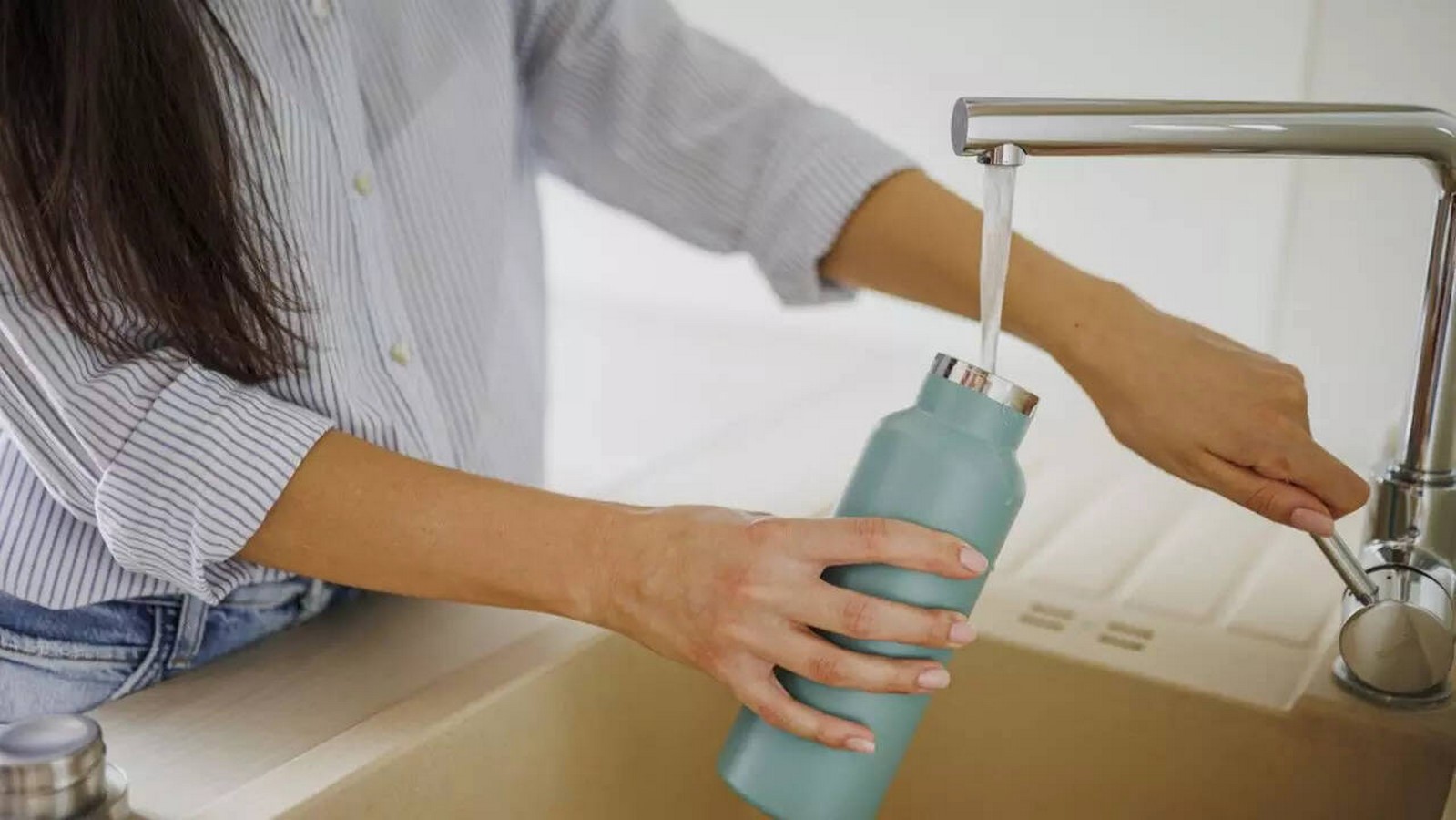 In addition to professional assessments and maintenance, there are everyday practices that homeowners can follow to maintain water safety. Running taps that are not often used, cleaning showerheads to prevent buildup, and promptly fixing leaks all contribute to a healthier water supply.
Awareness is just as important as action. Families should be aware of the signs of unsafe water, such as unusual tastes, discoloration, or strange odours, and act quickly if they notice them.
The Role of Professional Support
While households can take many steps to safeguard their water supply, some tasks require professional expertise. Plumbers and qualified assessors play a vital role in testing systems, checking storage, and identifying hidden risks.
In a busy city like London, where properties vary from modern flats to historic homes, professional input helps ensure that water safety measures are appropriate for the specific type of building. Investing in expert support gives homeowners confidence that their water systems are fully compliant and safe.
Protecting Vulnerable Occupants
Some household members may be more vulnerable to waterborne risks than others. Older adults, young children, or individuals with weakened immune systems can be more severely affected by contaminated water. This makes prevention even more important in family homes, shared housing, and properties with tenants.
By prioritising water safety, homeowners demonstrate responsibility not only for their own health but also for the wellbeing of everyone living in the property.
Long-Term Benefits of Water Safety
Maintaining a safe water supply is not just about avoiding illness. It also protects the value of a property. Systems that are regularly maintained are less likely to suffer from costly breakdowns, leaks, or contamination issues.
In a city where housing is both valuable and competitive, demonstrating proper care of utilities like water systems can enhance property reputation and long-term investment security.
Conclusion
Water safety in London homes is not something to be taken lightly. From understanding risks like Legionella to following simple daily practices, every action contributes to a healthier water supply. Regular maintenance, professional assessments, and family awareness all play their part in ensuring clean and safe water for the household.
By being proactive, homeowners can protect health, avoid costly problems, and preserve the value of their property. Keeping water safe is more than a legal or practical responsibility—it is a commitment to the wellbeing of everyone at home. For further reflection on sustainable water practices and environmental design, see Water-Wise Landscaping: Strategies for Sustainable Backyard Design.