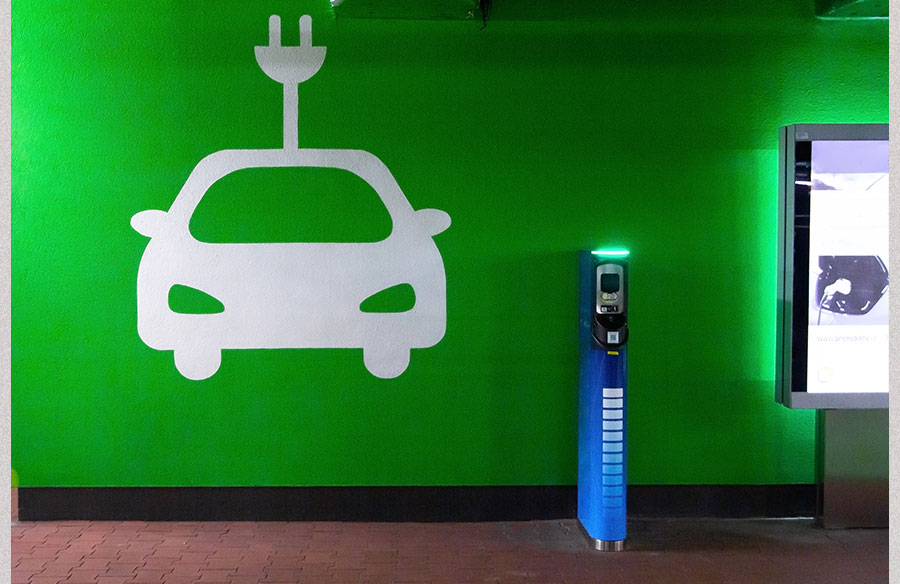
The rise of electric vehicles (EVs) is transforming how we think about getting from A to B. Central to this revolution is the network of charging stations that keep drivers moving. Let’s explore how these stations work, their importance, and what the future holds for EV infrastructure.
Understanding Charging Station Types
Fast Charging vs. Standard Charging
Most electric car charging station falls into two main categories:
- Standard (AC) charging is what many drivers use at home or workplaces. It’s slower but perfect for overnight top-ups or extended stops.
- Fast (DC) charging powers vehicles much quicker, crucial for long trips or quick turnaround times at public stations.
Fast chargers are the backbone of public networks and are essential in easing range anxiety.
Common Connector Types
EV charging connectors vary globally, but in many places, including Australia ,two types dominate:
- CCS2 (Combined Charging System) is becoming the industry standard for fast charging.
- CHAdeMo is still common in some regions and compatible with older models.
Some stations also offer Type 2 (AC only), catering to longer stops or plug-in hybrids that don’t need fast DC charging.
Why Charging Stations Matter
Supporting EV Adoption
A reliable and widespread charging infrastructure is crucial. It gives drivers confidence to switch from petrol or diesel cars, knowing they can recharge conveniently during both short trips and road trips.
Ease of Use and Convenience
Modern apps and station designs make charging simpler than ever. Features include:
- Real-time station availability
- Station locator maps
- Notifications and payment integration
- Automatic charge start (Autocharge)
- Contactless cards for backup access
These tools help reduce friction and improve the user experience.
Services Beyond the Charge
Charging networks often serve more than fueling needs. Stations may be snapped at parks, shops, malls, or dining areas, blending charging with leisure or errands, and helping integrate EVs into everyday life.
Innovations and Smart Solutions
Autocharge and Smart Triggers
Imagine plugging in your EV, and the charging simply starts, no app, no taps. Autocharge does just that. Once set up, it uses your vehicle’s identifiers to kick off charging automatically. It’s a seamless step toward frictionless infrastructure.
Council Partnerships and Planning
Local governments are increasingly involved. For example, Sydney’s Northern Beaches Council is looking to add kerbside chargers in shopping areas, parks, and car parks to meet growing demand and reduce emissions. More kerbside ports are vital for residents without home charging options.
Rural and Regional Expansion
Ensuring coverage in regional and remote areas is essential for overall connectivity. Some councils are racing against time to deliver charging where tourists and locals need it most, even amid funding deadlines and logistical challenges.
Looking Ahead: The Road to Electrification
Transition to Renewable Energy
As charging networks grow, many providers aim to power stations with renewable energy, aligning EV infrastructure with broader goals for cleaner transportation.
Smart Grid and Vehicle-to-Grid (V2G) Integration
The future may see EVs not only draw power but also feed energy back into the grid when parked, turning vehicles into mobile energy resources that support a decarbonized grid.
More Urban Accessibility
Solutions like lamp-post chargers, integrated into streetlights, offer city dwellers, especially those without driveways or private parking, safe and convenient charging right at the curb. These types of innovations help democratize EV access for all.
Conclusion: Charging Forward
Electric vehicle charging stations are more than just plugs; they’re the infrastructure powering a cleaner, smarter transportation ecosystem. From fast chargers speeding up long trips to kerbside solutions and smart grid integrations, the charging network is foundational to EV adoption.
As convenience, design, and reach continue improving, and as renewable power and grid technologies advance, charging infrastructure will drive not just cars but the larger shift toward sustainable, accessible mobility.