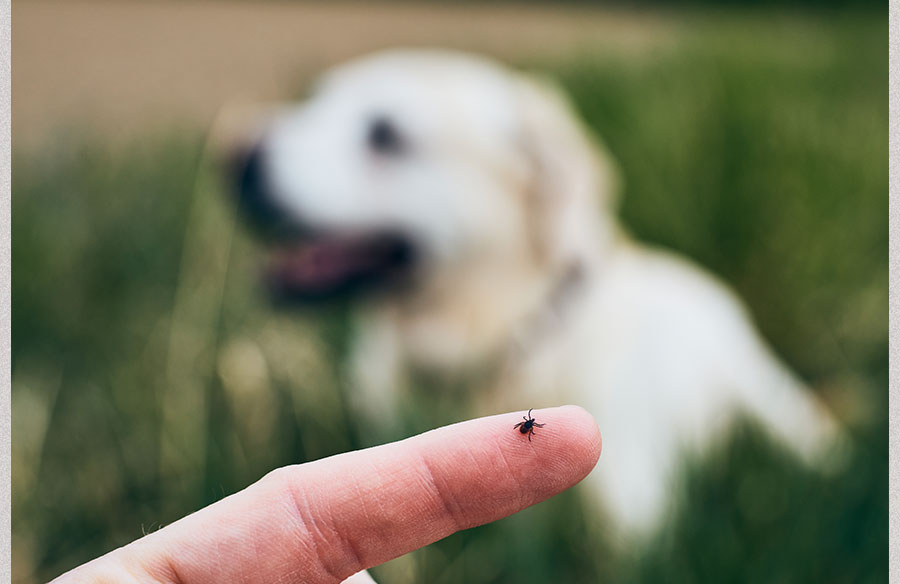
Fleas are not just a nuisance, scratching at your dog’s fur. They pose a serious health risk, even when you don’t see telltale signs. These tiny parasites can jump into your dog’s life easily, especially if you live in a warm climate, spend time in parks, or have other pets.
Preventing fleas and using flea treatment for dogs before they strike is far smarter than dealing with them afterward.
How Fleas Affect Your Dog’s Health
Flea bites can trigger intense itching, leading your dog to scratch, chew, or roll relentlessly. This isn’t just uncomfortable; it can damage the skin, leading to open wounds, bacterial infection, or even hotspots. Dogs with sensitive skin or preexisting conditions are especially vulnerable.
Even if your dog seems healthy, fleas can transmit tapeworms if a pet ingests an infected flea while grooming. Tapeworm infestations may cause weight loss, irritation around the tail, or digestive upset inside your dog.
Fleas are also capable of triggering allergic reactions. Flea Allergy Dermatitis is one of the most common skin conditions in dogs. Even a single flea bite can cause intense irritation, redness, and hair loss. In extreme cases, this allergic response might lead to systemic reactions requiring veterinary attention.
Hidden Dangers: From Anemia to Disease
In puppies or smaller breeds, a heavy flea infestation can lead to anemia as fleas feed on blood continuously. Anemic puppies can become weak, lethargic, pale, and in serious cases, require emergency care. The impacts can even be life-threatening.
Fleas may also act as vectors for pathogens, organisms that cause disease. They can carry Bartonella henselae, the bacterium behind “cat scratch fever” in humans, and other less common infections. Protecting your dog keeps both of you safer from zoonotic diseases hitching a ride on fleas.
Economic and Emotional Toll
Imagine dealing with a full-blown flea infestation in your home. The experience is stressful, time-consuming, and expensive. You’ll need to treat carpets, furniture, bedding, and all pets in the household. Repeated vacuuming, cleaning, and targeted treatments stretch budgets and patience. Your dog also suffers, losing rest, comfort, and trust if their experience involves painful itching or ineffective remedies.
How Prevention Can Save the Day
Preventative flea treatment isn’t complex or overly costly. Monthly oral tablets, spot-on treatments, or flea collars are accessible and effective tools. When used consistently, they form a shield against fleas before they take hold. Preventing fleas also means avoiding all the downstream effects: Irritated skin, anemia, infectious diseases, emotional strain, and financial burden.
Moreover, many treatments now also target ticks, mites, and internal parasites. Your dog gets broad protection in one simple routine. It’s a small monthly commitment with big rewards.
Simple Steps Every Dog Owner Can Take
Select the Right Product
Choose a reliable prevention method that suits your dog’s age, weight, and health. Your veterinarian can guide you to select a safe and effective option for your dog’s needs and lifestyle.
Be Consistent
Apply treatments on schedule. Gaps or delays allow fleas to gain a foothold. Keep track with reminders so you never miss a dose.
Monitor and React
Occasional itching might still happen. Inspect your dog’s coat regularly, especially after walks or playtime. If you spot fleas, start a treatment plan immediately, and clean your home environment to nip the cycle in the bud.
Clean Your Home
Wash bedding, pet blankets, and wipe floors regularly. Flea eggs and larvae often hide in fabrics or carpet fibers. Keeping things clean removes potential breeding grounds.
Talk to Your Vet for a Holistic Plan
Your vet can provide a tailored plan considering regional risks like certain insects or diseases. They can also advise on safe flea products if your dog has health sensitivities or coexisting conditions.
Protecting More Than Your Dog
Stopping fleas isn’t just about comfort; it’s about safety. Your dog, your home, and often your family benefit when you stay ahead of these pests. Fleas may be tiny, but the climate, your surroundings, and household pets all influence their ability to thrive. That makes prevention the smartest, most caring response.
Conclusion
Missing just one monthly treatment might seem harmless, but it can initiate a cycle of infestation. A single flea can lay up to 50 eggs in a day, creating a rapidly multiplying threat. Prevention is quicker, easier, and more humane than reacting to an outbreak.
Treating your dog proactively isn’t only responsible, it’s an act of love. It shows you’re keeping your furry companion healthy, comfortable, and safe from hidden dangers. And you end up saving time, stress, and money in the long run.