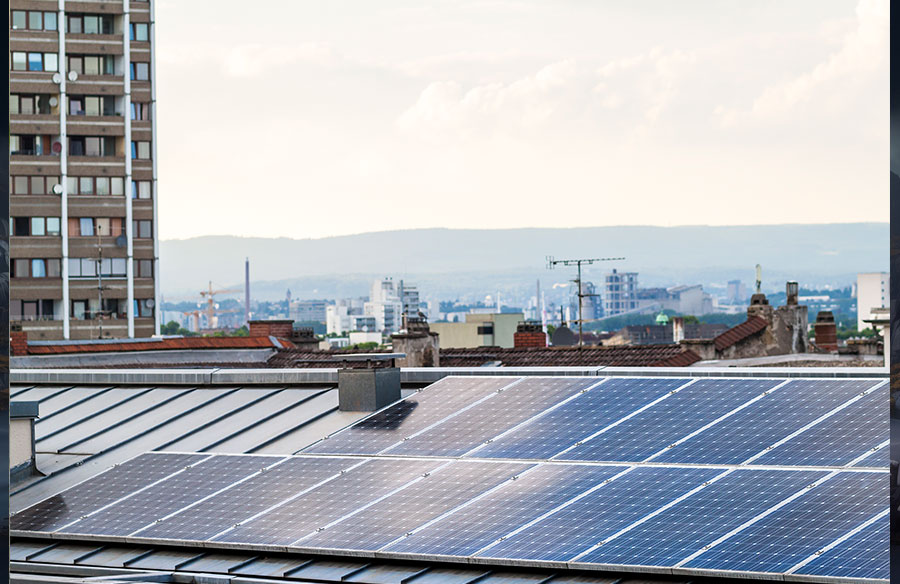
Dublin is a city known for its blend of history and modernity, where Georgian architecture stands alongside technology hubs and innovative businesses. As cities across Europe face the challenges of climate change, population growth, and energy demand, Dublin is also searching for sustainable ways to power its future. Among the most promising solutions is solar energy. Despite Ireland’s reputation for cloudy skies, advances in solar technology and the push towards renewable energy targets mean that solar is set to play a transformative role in Dublin’s future.
Dublin’s Growing Energy Needs
Dublin is one of the fastest-growing cities in Ireland. With more people moving into the capital, energy demand continues to rise. Residential homes, commercial offices, and an increasing number of electric vehicles are putting pressure on traditional power sources. At the same time, Ireland, like other EU nations, is committed to cutting greenhouse gas emissions and transitioning away from fossil fuels.
This creates a perfect opportunity for renewable solutions such as solar power to step forward. Dublin’s rooftops, car parks, and public spaces hold enormous potential for solar panels, turning the city into a cleaner, greener hub for sustainable energy.
Breaking the Myth of “Ireland’s Cloudy Weather”
One of the most common misconceptions about solar power in Dublin is that it cannot work effectively due to the city’s often overcast skies. However, modern solar panels do not require direct sunlight to generate electricity. They can still produce significant amounts of power even under diffuse light conditions.
Research has shown that Ireland receives enough daylight hours annually to make solar viable. In fact, Germany, which has less sunlight than Ireland on average, has become a world leader in solar energy adoption. This shows that Dublin’s climate is not a barrier but rather an opportunity to embrace new technologies optimised for northern European conditions.
The Role of Government Policy
The Irish government has set ambitious renewable energy targets, aiming to generate a significant proportion of electricity from clean sources by 2030. Dublin, as the capital, will play a leading role in achieving these goals.
Schemes such as the Micro-generation Support Scheme (MSS) allow homeowners and businesses to receive payments for excess energy they generate and feed back into the grid. This makes solar panels not just an environmentally conscious choice, but also a financially rewarding one.
By encouraging solar adoption through grants, tax incentives, and supportive planning regulations, Dublin City Council and national policymakers are paving the way for widespread solar deployment.
Solar Energy and Urban Planning
The future of Dublin’s cityscape will likely look very different as solar energy becomes a key part of urban planning, according to MMK Solar. New housing developments, commercial centres, and public buildings are increasingly designed with sustainability in mind. Incorporating solar panels into rooftops, bus shelters, schools, and office blocks will help the city reduce its reliance on fossil fuels.
Car parks equipped with solar canopies are another innovation already being considered in Dublin. These can power electric vehicle charging points, creating a seamless integration of clean energy and green transport. Over time, solar integration could become as standard in Dublin’s building design as double glazing or insulation.
Economic Benefits for Dublin
Solar energy does not only bring environmental rewards; it also offers substantial economic benefits for Dubliners. Lower energy bills for households and businesses are one obvious advantage. In addition, the growth of a solar industry creates new jobs in installation, maintenance, engineering, and manufacturing.
By positioning itself as a leader in renewable energy, Dublin can attract international investment and strengthen its reputation as a progressive, forward-thinking city. Dublin is considered the tech bub of Europe, and the city’s expanding tech sector, for example, can greatly benefit from cleaner, locally produced energy to power data centres and innovation hubs.
Reducing Carbon Emissions and Improving Air Quality
Perhaps the most urgent reason for Dublin to embrace solar energy is the need to cut carbon emissions. Like many urban centres, Dublin suffers from traffic-related pollution and the environmental consequences of fossil fuel use. Solar power, as a clean and renewable energy source, directly reduces reliance on coal, gas, and oil.
With widespread solar adoption, the city could significantly lower its carbon footprint. This would not only help Ireland meet its climate commitments but also improve the health and quality of life for residents. Cleaner air, fewer pollutants, and quieter streets from the electrification of transport would all contribute to a healthier Dublin.
Energy Independence and Resilience
Dublin currently imports much of its energy, leaving it vulnerable to fluctuations in global markets. Solar energy, by contrast, is locally produced and widely accessible. By installing solar panels across the city, Dublin can move towards greater energy independence.
This resilience is particularly important in the face of energy crises or supply chain disruptions. Having a decentralised network of solar-powered buildings means the city is less reliant on large centralised power plants. In turn, this creates a more secure and stable energy system for the future.
Community Power and Shared Benefits
Another way solar energy will reshape Dublin is through the rise of community power projects. Local neighbourhoods, schools, and cooperatives can pool resources to install solar panels, sharing both the costs and the benefits.
Community-owned solar farms and rooftop schemes can provide affordable electricity for residents while fostering a sense of collective responsibility. In areas where fuel poverty is a concern, solar energy can help reduce bills and ensure more equitable access to clean power.
Technological Advancements Driving Growth
Solar technology is evolving rapidly, and Dublin will benefit from these advancements. Panels are becoming more efficient, cheaper to produce, and easier to integrate into different surfaces. Innovations such as solar roof tiles, transparent solar glass, and building-integrated photovoltaics (BIPV) will allow solar to be seamlessly blended into the city’s architecture.
Energy storage is another key advancement. With better batteries, Dublin homes and businesses will be able to store excess solar power for use during the night or on cloudy days. Combined with smart grids and digital monitoring systems, this ensures reliable, round-the-clock access to clean energy.
The Future Vision for Dublin
Looking ahead, Dublin could become a showcase city for sustainable living. Imagine a city where nearly every rooftop generates electricity, where electric buses and trams run on solar power, and where new developments are self-sufficient in energy.
The transformation will not happen overnight, but the groundwork is already being laid. The integration of solar energy into Dublin’s infrastructure, economy, and daily life will create a more resilient, greener, and future-ready capital.
Conclusion: A Brighter Path for Dublin
Solar energy is not just a technological innovation; it represents a cultural shift towards sustainability, independence, and responsibility. For Dublin, a city that balances tradition with innovation, solar power offers the chance to lead by example.
By embracing solar energy, Dublin will not only reduce its carbon emissions but also cut costs, create jobs, and improve the health and well-being of its residents. With government support, community engagement, and technological innovation, Dublin is poised to become a model of urban sustainability.
In the coming decades, solar power will reshape Dublin City, illuminating a path towards a cleaner, more prosperous, and more resilient future.