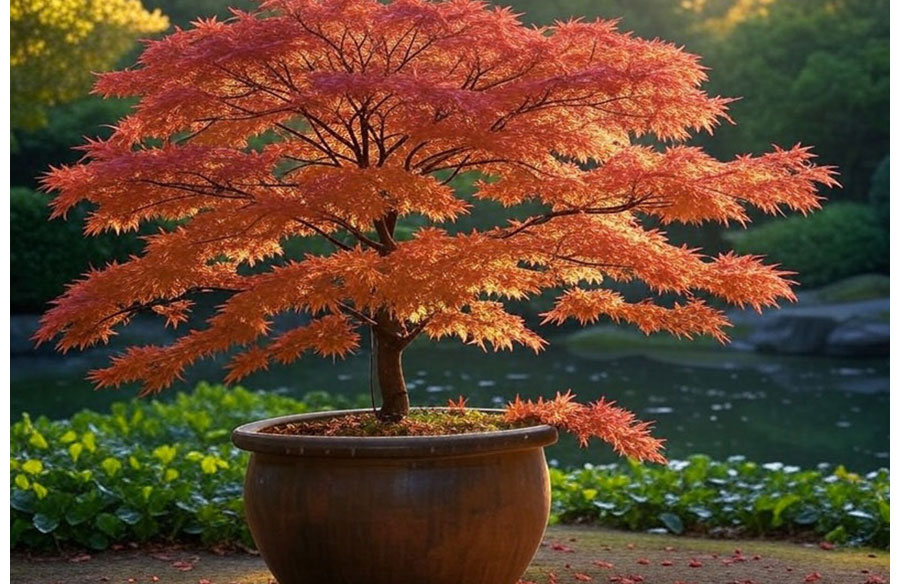
Container gardening is no longer only about conserving space — it’s about discovering new ways to weave nature into our built environments. Growing trees in planters bring scale, structure, and vertical interest to places where traditional planting isn’t possible. Whether you’re short on outdoor space or love the idea of flexible gardening, growing trees in containers is a beautiful and practical solution. To explore a wide range of garden pots and planter boxes suitable for trees, visit Sigma Planters.
Imagine the delicate branches of a Japanese maple softening a minimalist terrace, or a row of olive trees creating a Mediterranean touch in a commercial forecourt. Container trees act as living sculptures — evolving through the seasons while anchoring the design with colour, form, and texture. But growing trees in pots is more than simply placing a sapling in soil. It requires an understanding of design principles, careful plant selection, and a tailored approach to long-term care. In this guide, we’ll walk you through everything you need to know about planting trees in pots.
The Appeal of Container-Grown Trees
Trees in pots are one of the most practical and creative solutions in modern container gardening. Perfect for small spaces, they make it possible to grow trees on rooftops, balconies, courtyards, terraces, and even compact entryways where traditional planting can’t be done.
Beyond practicality, container trees bring height, structure, and seasonal interest, acting as living focal points in both residential and commercial settings.
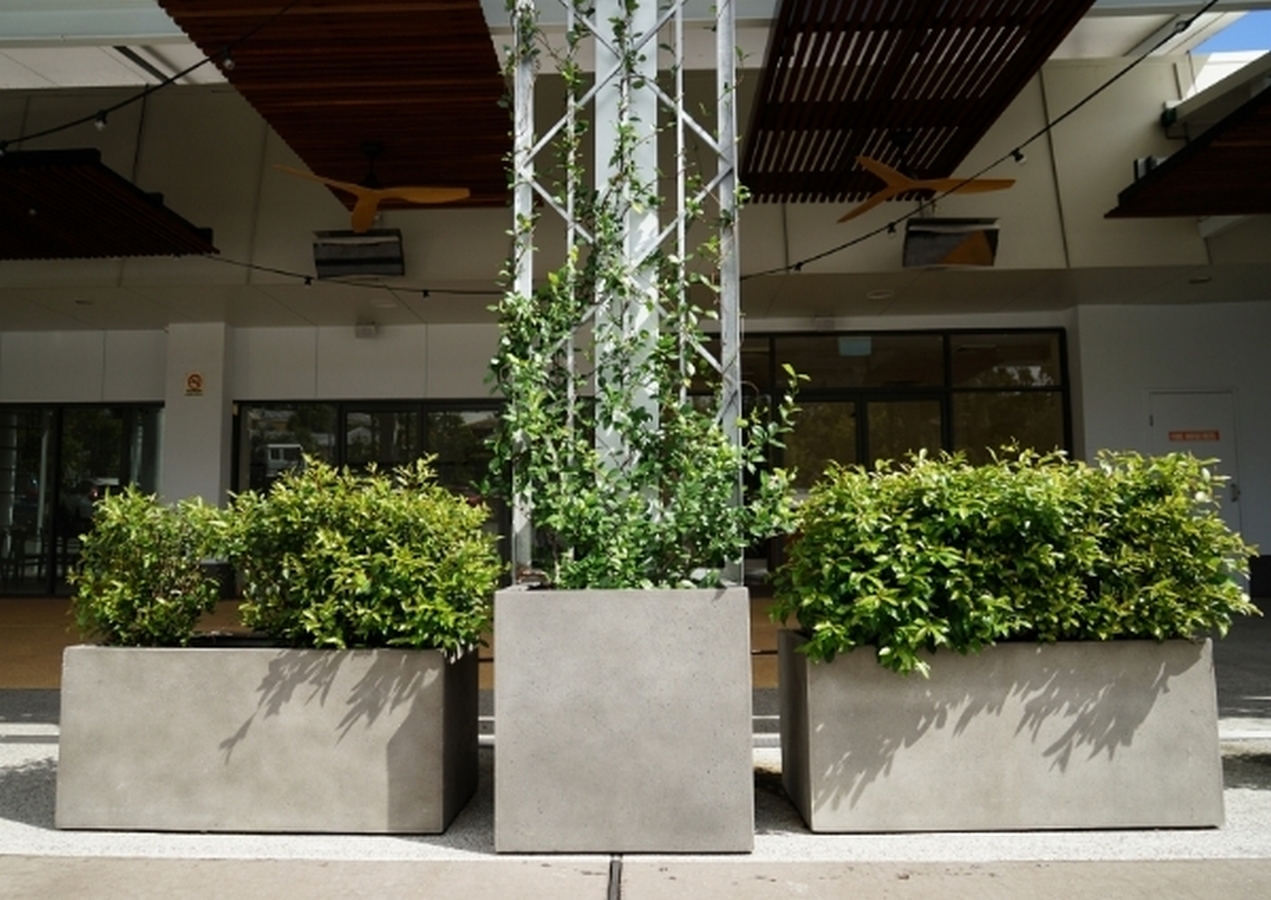 Commercial courtyard framed by concrete planters — Image courtesy of Sigma Planters / Nicholas Jones
The benefits of growing trees in containers go beyond aesthetics. Research in urban forestry shows that even potted trees help reduce heat, improve air quality, and soften built environments. Unlike permanently planted trees, container trees can also be moved, making them a flexible choice for small gardens or adaptable spaces.
As designer Jamie Durie notes:
“Beyond the practical, the ability to effortlessly rearrange potted trees to revitalise a landscape or adapt to evolving needs is a game-changer.”
This adaptability makes container trees a strategic choice, delivering ecological, aesthetic, and economic value. In commercial spaces, container trees serve more than a decorative role. They create inviting atmospheres, boost curb appeal, and elevate the overall customer experience. Beyond aesthetics, container trees contribute to sustainability. This combination of beauty, practicality, and environmental value makes trees in pots an asset with tangible returns.
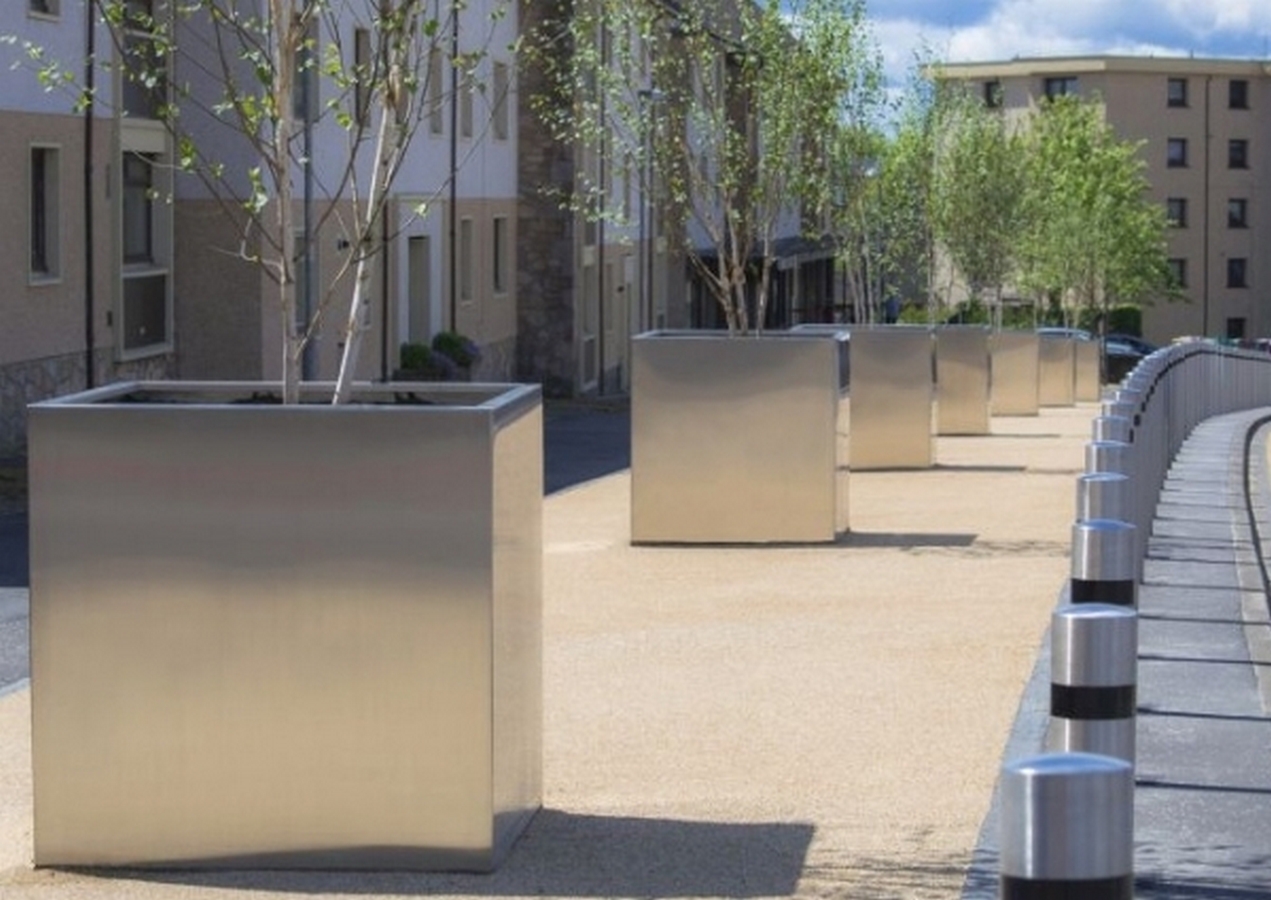 Urban streetscape with stainless steel planters — Image courtesy of Sigma Planters / Nicholas Jones
Selecting Pots & Design Considerations
Growing trees in containers is both practical and creative, allowing greenery to thrive in rooftops, balconies, courtyards, and terraces where traditional planting isn’t possible.
Because the pot becomes the tree’s entire growing environment, selecting the right container is as important as choosing the right soil. Size, drainage, and material all play a role in how well the tree will establish, and the choice must balance durability with aesthetic harmony.
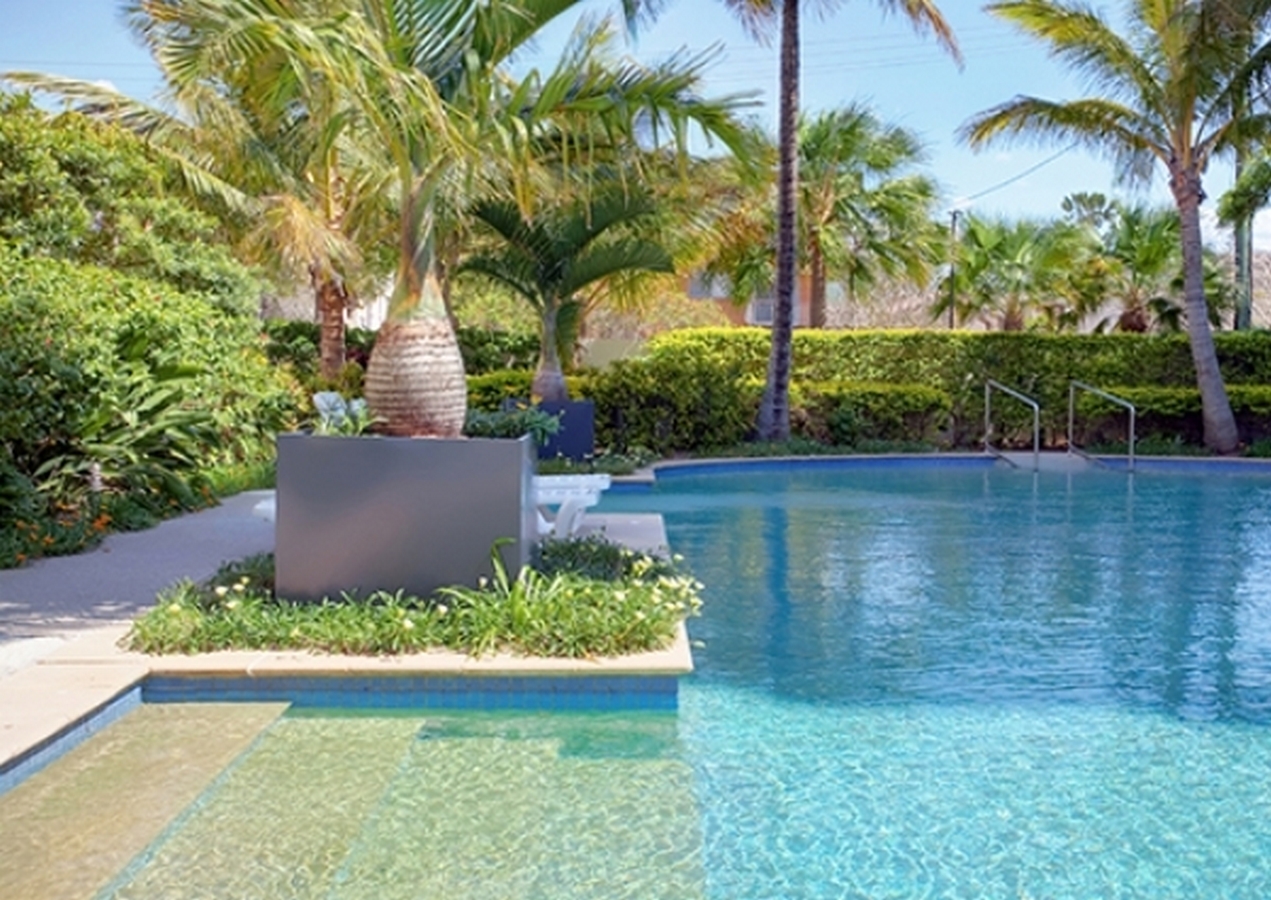 Poolside greenery in modern cube planters — Image courtesy of Sigma Planters / Nicholas Jones
Different materials offer unique benefits. Clay and terracotta are classic and breathable but heavy and prone to cracking. Plastic and resin are lightweight and affordable, though UV-stabilised versions are best for longevity. Fiberglass combines strength with style flexibility, making it ideal for long-term installations, while concrete or metal planters add bold character but may retain heat. Ultimately, the best container is one that endures outdoor conditions while also complementing its surroundings, turning the pot into both a functional environment and a design feature.
Below are the key design factors to keep in mind so your tree grows strong and adds beauty to your surroundings:
-
Scale and Proportion
The planter and tree should complement each other and their surroundings. A tall topiary in a narrow walkway offers vertical drama without overwhelming the space.
-
Unity and Harmony
Choose containers that match the architectural character of the setting.There should be consistency in material, colour, or style. Dark, geometric pots may suit a contemporary facade, while natural terracotta feels at home in rustic courtyards.
-
Rhythm and Repetition
Repetition creates visual flow. Lining up identical planters along a pathway establishes order, while repeating the same tree species in different areas strengthens cohesion across the space. Rhythm doesn’t have to be rigid; alternating planter heights or varying shades of foliage can add interest while maintaining continuity.
-
Emphasis (Focal Point)
Every composition benefits from a focal point. A single standout tree — such as a Japanese maple — can serve as the focal anchor in a design, drawing the eye and grounding the composition.
-
Balance
Balance ensures the space feels stable and comfortable to look at. Symmetry with paired containers creates formal entrances, while asymmetrical arrangements feel organic and relaxed.
-
Functionality and Circulation
Planters must enhance, not obstruct, movement. Placed thoughtfully, they can define thresholds, create outdoor “rooms,” or separate pedestrian zones without physical barriers. For example, grouping tall planters can provide privacy for a dining area, while low containers define walkways without blocking movement.
Your Guide to Potting a Tree the Right Way
Potting a tree is more than placing it in soil — it’s about setting the foundation for long-term health. Each step matters, from choosing the right soil to ensuring proper watering. Here’s a step-by-step guide to give your container tree the best possible start:
- Drainage First
Good drainage is the key to success. Make sure your container has enough holes at the base to let excess water escape. Without this, soil becomes waterlogged, roots suffocate, and rot sets in. For very large pots, you can add a shallow layer of coarse gravel or broken pottery at the bottom to encourage better flow. - Use Potting Mix, Not Garden Soil
Always use a high-quality potting mix designed for containers. Unlike garden soil, which can compact and block airflow, potting mix is lighter and retains the right balance of moisture and aeration. For trees, a mix enriched with organic matter and slow-release fertiliser gives them the nutrients they need to establish strong roots. - Set the Root Ball at the Right Height
Position your tree so that the trunk flare — where the trunk widens just above the roots — sits level with or slightly above the soil surface. Planting too deep risks rot, while setting it too high leaves roots exposed. Gently loosen any circling roots before placing the tree in the pot to encourage outward growth. - Firm the Soil Gently
As you add potting mix around the root ball, firm it lightly with your hands. The goal is to eliminate large air pockets without compressing the soil too tightly, which can restrict root development. Aim for an even fill, with the soil level sitting just below the rim of the pot to allow for watering space. - Water Thoroughly After Planting
Give your tree a deep watering straight after planting. Water slowly until it drains from the bottom of the container, which helps settle the soil around the roots. In the following weeks, monitor moisture regularly. The top few centimeters of soil should dry slightly between waterings, but never let the tree dry out completely.
Best Trees and Shrubs for Containers
Here’s a list of trees and shrubs that are generally well-suited for growing in containers, thanks to their manageable size, root structure, and aesthetic appeal:
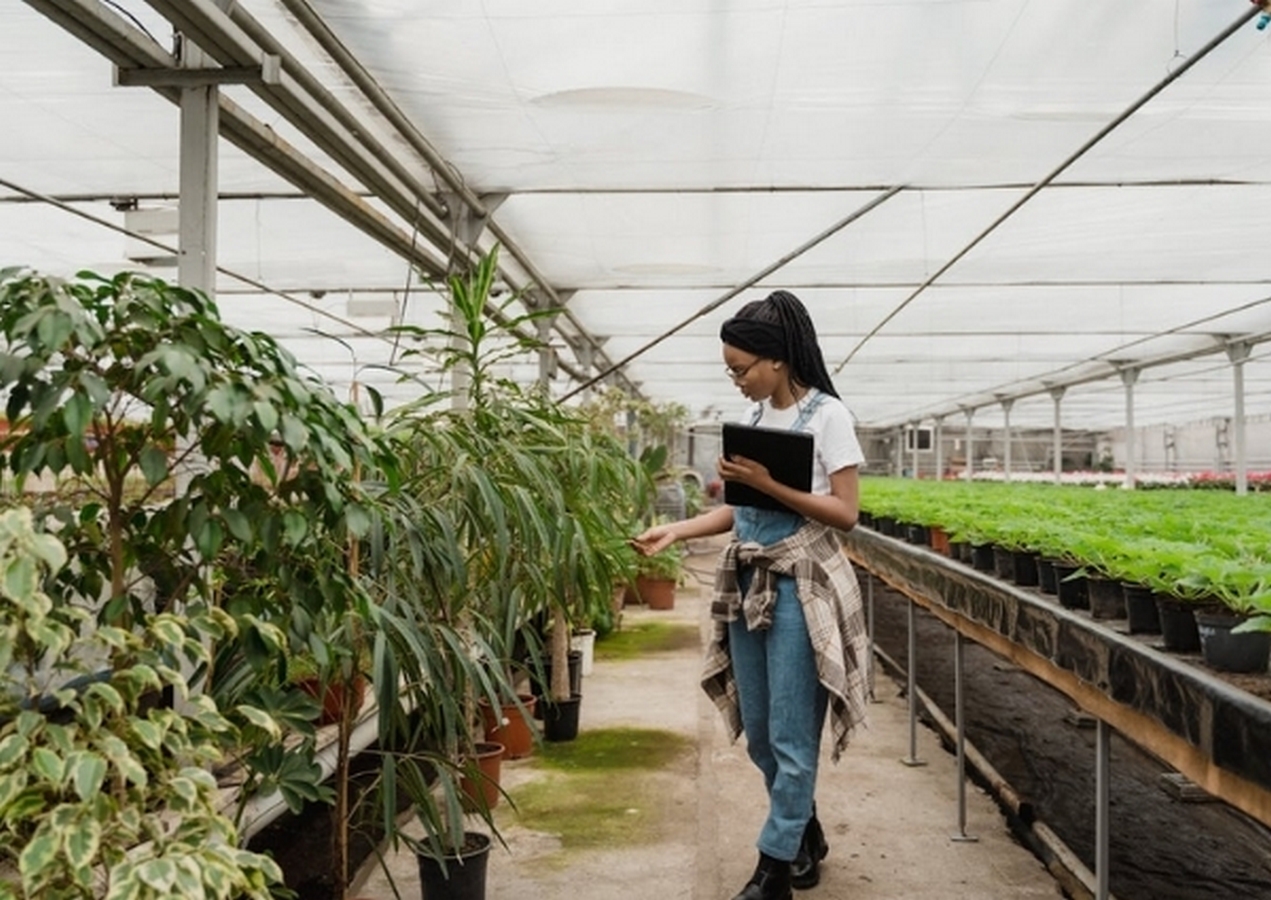 Small Trees for Containers
- Japanese Maple (Acer palmatum) – Beautiful foliage with seasonal color; prefers partial shade.
- Olive Tree (Olea europaea) – Mediterranean vibe; thrives in full sun and well-drained soil.
- Dwarf Citrus Trees (Lemon, Lime, Calamondin) – Fragrant blooms and edible fruit; needs full sun.
- Bay Laurel (Laurus nobilis) – Aromatic leaves for cooking; slow-growing and container-friendly.
Crape Myrtle (Lagerstroemia indica) – Blooms in summer; available in dwarf varieties.
Shrubs Ideal for Containers
- Boxwood (Buxus spp.) – Classic for topiary or structured hedging; shade-tolerant and evergreen.
- Hydrangea (especially Hydrangea macrophylla) – Bold blooms; needs consistent moisture.
- Camellia – Glossy leaves and lovely winter/spring flowers; thrives in dappled light.
- Lavender (Lavandula spp.) – Drought-tolerant and fragrant; loves sunny spots.
- Dwarf Conifers (like Dwarf Alberta Spruce) – Slow growers with great shape and year-round color.
These plants tend to stay compact, are adaptable to root restriction, and provide year-round visual interest—making them ideal for patios, balconies, entrances, and commercial landscapes.
Caring for Container Trees
1. Watering Wisely
Container trees rely entirely on their pots for moisture, making a steady watering routine vital. Young trees need water about twice a week to establish roots, while mature ones benefit from deeper but less frequent watering that strengthens root systems. Always ensure drainage holes are clear to prevent waterlogging and root rot.
2. Feeding and Fertilising
Incorporate a slow-release fertiliser into the potting mix at planting to provide months of steady nutrition. During spring and summer, top up with liquid feed every few weeks to encourage strong foliage and healthy growth. Take care not to over-fertilise, as excess nutrients can weaken trees and cause stress.
3. Pest and Disease Management
Inspect leaves, stems, and soil regularly for pests, discolouration, or stress, and remove affected material quickly to stop problems spreading. Trees that are well-watered and properly nourished naturally resist most issues, while good airflow between containers helps prevent fungal outbreaks.
Final Thoughts: Cultivating Balance in Every Space
Potted trees offer far more than greenery — they bring life, structure, and seasonal beauty to any environment. With the right combination of species, containers, placement, and care, they not only thrive but also reshape the spaces around them.
Container trees show us that limited ground space is no barrier to thoughtful, inspiring landscapes. With mindful choices and creativity, any corner can become a vibrant green sanctuary — a reminder that a tree in a pot is never just planted, but always placed with intention.