
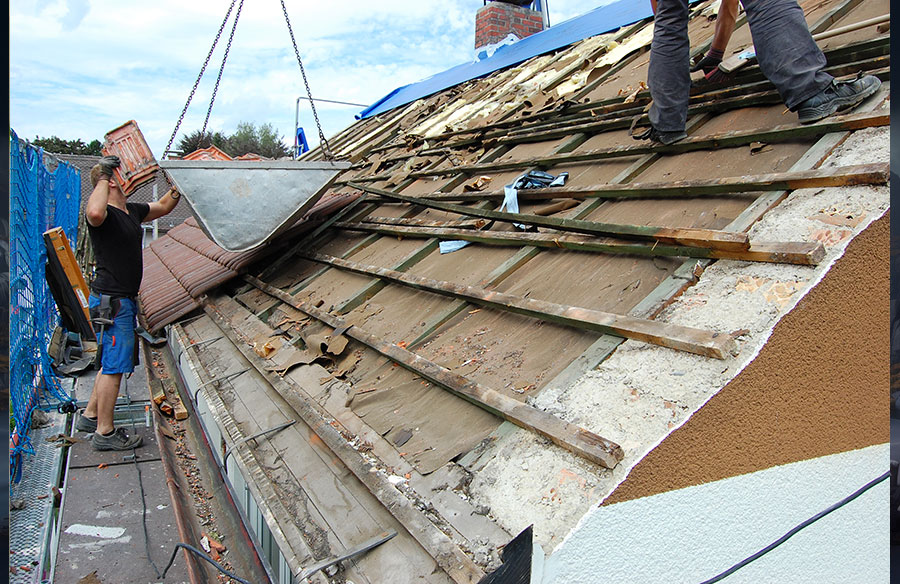
Repairing a roof might seem difficult, but it doesn’t have to be. Your roof is one of the most important parts of your home. It protects you from the weather and helps keep your house strong. By regularly checking your roof, you can save money and make it last longer. Whether you have small leaks or broken shingles, understanding the necessary steps can help you fix your roof.
Every homeowner can benefit from learning the basics of roof repairs, from spotting problems to knowing when to call a professional. With the right tools and materials, along with some basic skills, you can keep your roof in good condition.
Let’s discover how to make repairs to your roof.
Identifying Issues
The first step in fixing your roof is to find any problems. Regular inspections are important, especially after bad weather like storms or hail. Check for missing, cracked, or curling shingles, as these can indicate more significant problems. Also, look for water damage inside your home, like stains on ceilings and walls.
Don’t forget to check the flashing! Flashing is the metal that seals joints around chimneys and vents. Look for rust or gaps since broken flashing can cause leaks. Inspecting your roof twice a year helps you catch minor problems before they get worse.
Hiring Roofers
If the repairs seem too difficult, hiring a professional roofer is a great choice. Toronto roofers are skilled and can make repairs safely and correctly. Their expertise helps ensure your roof is fixed right the first time, which can save you from more issues later.
Working with experienced roofers gives you peace of mind. They understand different roofing materials and styles, and they can handle the details of your roof’s design. Their equipment also allows them to perform repairs safely, especially on steep roofs. Once you find a good roofer, consider it a long-term relationship; they can assist with future maintenance and repairs.
Gathering Materials
Once you find problems, gather the materials you need to make repairs. Your basic toolkit should include a ladder, roofing cement, replacement shingles, nails, a hammer, and a pry bar. If the repair area is larger or the issues are more serious, you may need tarps or rolls of roofing felt.
Choose materials that match your existing roof as closely as possible. For example, if you’re replacing shingles, try to find the same style and colour. This keeps your roof looking good and working well. Your local hardware store should have what you need, and the staff can help if you have questions.
Performing Shingle Repairs
Repairing or replacing shingles is a common roofing task. If you have a few damaged shingles, you can replace them without removing the entire section. Start by lifting the edges of the damaged shingle with a pry bar to take it off. Make sure to remove any nails and debris underneath before sliding the new shingle into place.
Once the new shingle is in position, secure it with roofing nails. Apply roofing cement over the nail heads to create a watertight seal. This way, you can prevent leaks and keep your roof looking good without spending too much money.
Addressing Leaks
Fixing leaks can be trickier, but identifying the problem is crucial. Leaks often happen due to damaged shingles, but they can also come from issues with flashing or drainage problems. Start by finding where the water is entering. It may not always be directly above the water stain you see inside.
Once you find the source of the leak, decide the best way to repair it. For small leaks, roofing cement can work well. For larger issues, replace the entire flashing section to ensure a complete seal. Always make these repairs during dry weather for the best results.
Preventive Maintenance
After making repairs, don’t forget about preventive maintenance. Keep your roof clear of debris, such as leaves and branches, to stop moisture buildup. Clean your gutters regularly, as clogged gutters can cause water to pool, adding weight and potential leaks to your roof.
Plan for regular inspections to catch any problems early. You can ask your roofer for maintenance tips and to schedule future inspections. Staying proactive helps ensure your roof remains a protective barrier for your home.