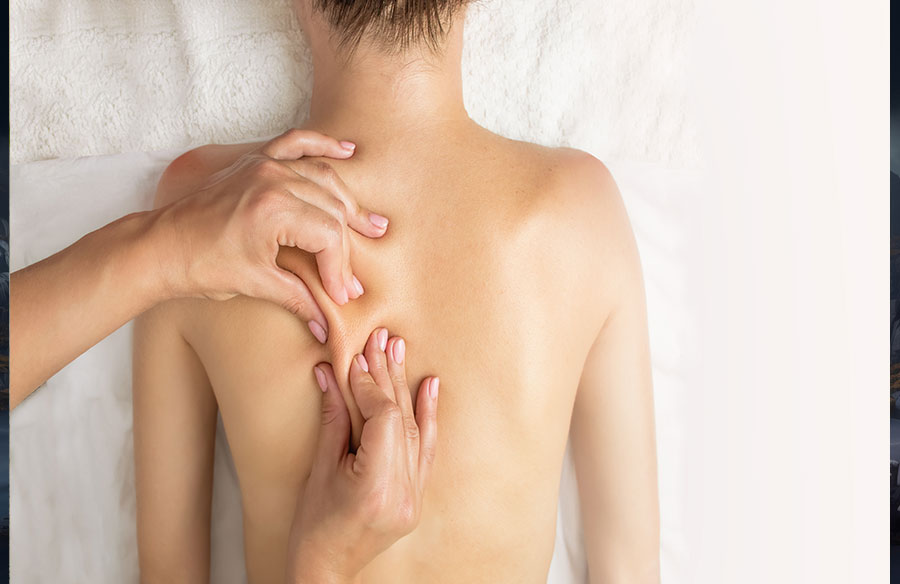
Deep tissue massage is popular among wellness fans for good reasons. This technique targets deeper muscle layers and connective tissue, making it ideal for those with chronic pain, muscle tension, or soreness after workouts. The pressure used during the massage helps relieve stress, improve blood flow, and encourage relaxation.
A deep tissue massage often brings feelings of peace and stress relief. When you lie on the massage table, the therapist’s skilled hands work to release tight muscles and reduce discomfort. This treatment brings a great sense of relief and leaves you feeling refreshed. Regular deep tissue massages can improve flexibility, posture, and emotional health over time.
Let’s look at how to prepare before and after your deep tissue massage.
Pre-Massage Preparation
Getting ready for your deep tissue massage is important for getting the most out of it. First, talk to your massage therapist. Tell them about any specific pain, past injuries, or health issues that might affect the massage. This information helps them adjust the session to fit your needs. A good therapist will use this knowledge to make each stroke and technique effective.
Staying hydrated is key before your massage. Drinking water helps to hydrate your muscles and connective tissue. It also helps flush out toxins released during the massage. Try to drink a few glasses of water in the hours before your appointment. This will help prepare your body and improve your experience.
Wear comfortable clothing. Choose loose clothes that let the therapist access the areas needing attention. If you often feel cold, think about bringing a light shawl or blanket for extra comfort. Wearing the right outfit can help you feel relaxed and ready for your session.
Understanding the Experience
During your massage, pay attention to how your body feels. Deep tissue massage uses firm pressure and targeted techniques, which can sometimes feel intense. If you experience any discomfort, let your therapist know. They can change the pressure or adjust their focus to keep you comfortable while still providing effective treatment.
Also, use this time to focus on your breathing. Taking deep, steady breaths can help release tension in your body. You don’t have to think about it too hard—just let your breath flow naturally. Being present during the massage will create a richer experience for you.
Post-Massage Recovery
What you do after your deep tissue massage can affect how you feel. Continue to hydrate by drinking water. This helps flush out toxins released during the session and can prevent any discomfort afterward. Try to drink water right after the massage and throughout the day.
Allow yourself to rest. Your body has just released a lot of tension, and it may need time to adjust. Engage in light activities or relax at home to enjoy the post-massage feeling. You could read a good book or watch your favourite show. This downtime can enhance your relaxation and help you feel the benefits of the massage more.
Consider gentle stretching or light movement the day after your massage. Activities like walking or light yoga can keep your muscles flexible and support recovery. Staying active in a gentle way can prevent stiffness and maintain the benefits gained during your session.
Recognizing Changes in Your Body
Listen to your body after your massage. You might feel different things. Some people feel relaxed and loose, while others may have mild soreness as their muscles adjust. This is normal, especially with deep tissue massage. Take it easy and let your body recover fully.
Remember, everyone experiences deep tissue massage in their own way. Preparing before the massage and taking care afterward can improve your overall experience and provide lasting benefits. Next time you schedule a massage, keep these tips in mind to make the most of it. Your body will appreciate it!
Choosing the Right Therapist
Choosing a massage therapist is important for a good experience. Look for someone who is licensed and trained in deep tissue massage. Check reviews or ask friends or family for recommendations if they have had positive experiences. When you meet your therapist, talk about their methods and special techniques. This conversation can help you feel comfortable and build trust, which is key to a relaxing session.