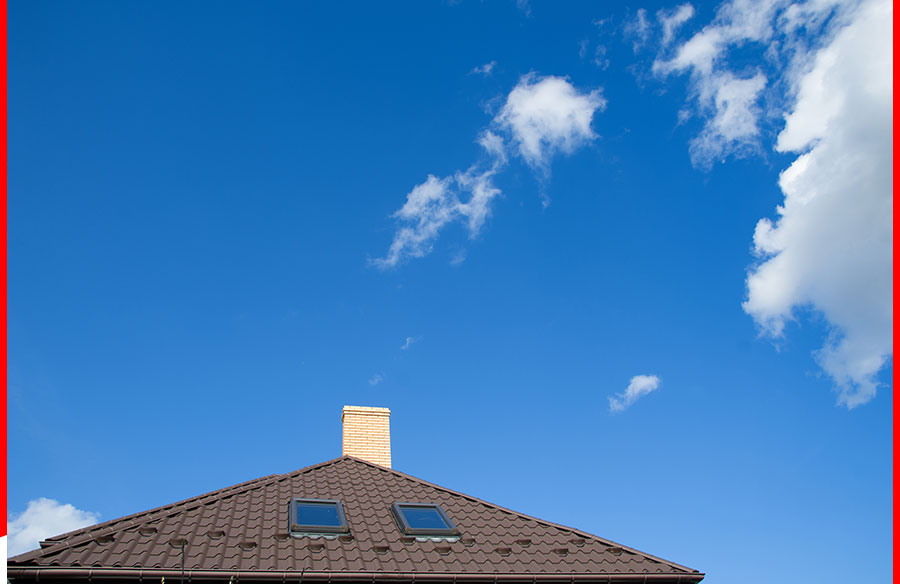
When planning a roof replacement or building a new home in 2025, one of the most significant decisions you’ll face is choosing between metal roofing vs asphalt shingles. Each material has its own set of qualities that impact cost, durability, environmental impact, installation, and aesthetics. Whether you’re concerned about long-term maintenance, energy efficiency, or construction expenses, understanding the pros and cons of metal roofing compared to asphalt shingles is essential.
This comprehensive guide dives into everything you need to make an informed decision. We’ll explore material characteristics, average lifespans, climate performance, resale values, and more to help you decide what material should you use for your home. If you’re choosing between metal and asphalt roofs, this is your go-to asphalt shingles comparison guide.
Overview of Metal Roofing
Metal roofing includes a variety of materials like steel, aluminum, copper, and zinc. It has been gaining popularity not only for commercial properties but also in residential architecture due to its modern appearance and long-lasting nature.
Types of Metal Roofs
Standing Seam: Panels run vertically with seams raised above the roofing level to prevent penetration. These roofs are particularly popular among modern and industrial-style homes due to their minimalistic design and water-shedding abilities.
Corrugated Metal Panels: Less expensive with distinctive ridges, typically used for agricultural buildings but increasingly seen in homes. Corrugated panels offer a rustic and rugged look and can be easier to install on sheds, cabins, and barns.
Metal Shingles: Designed to mimic asphalt, slate, or tile, they combine aesthetic flexibility with durability. Many homeowners gravitate toward metal shingles when they want traditional designs but improved lifespan.
Advantages of Metal Roofing
Durability: Most metal roofs last between 40–70 years, with copper lasting even longer. Metal handles extreme weather without significant damage, making it ideal for climates with high winds or snow loads.
Resistance to Elements: Excellent resistance to snow, wind, hail, and even fire. Many metal roofs are rated Class A for fire resistance and can endure hurricanes and other extreme weather conditions better than other material types.
Energy Efficiency: Reflects solar radiant heat, reducing summer cooling costs by 10–25%. Reflective coatings and cool roof technology have further improved metal’s energy performance.
Low Maintenance: Requires fewer repairs compared to asphalt over time. Metal roofs do not crack, warp, or rot, and typically need only occasional inspections and cleaning.
Sustainability: Often made from recycled materials and fully recyclable at the end of their lifespan. Aluminum roofs, for example, may contain up to 95% recycled content, and old panels can be completely reused.
Disadvantages of Metal Roofing
High Initial Cost: Can run two to three times the cost of asphalt shingles. However, this can be partially offset by its longevity and minimal maintenance costs.
Noise During Rain: May be louder than other materials if not insulated properly. Adding solid sheathing and insulation under the panels helps mitigate noise considerably.
Expansion and Contraction: Buckling can occur in climates with extreme temperature swings unless properly installed. Specialized fasteners and panel systems are designed to accommodate metal’s natural movement from thermal expansion.
Overview of Asphalt Shingles
Asphalt shingles have long been the go-to roofing material in the United States and remain one of the best roofing materials for homes due to affordability and ease of installation. Modern shingles come in a variety of styles, colors, and quality tiers.
Types of Asphalt Shingles
3-Tab Shingles: Lightweight and economical, though less durable. Commonly used on budget-conscious builds or for temporary roofing solutions.
Architectural Shingles: Thicker, layered shingles offering better waterproofing and aesthetics. Their dimensional appearance adds curb appeal and more texture to the roofscape.
Luxury Shingles: Designed to mimic slate or wood shake, these are the highest-end asphalt options. They provide premium durability and an upscale look without the cost or weight of natural materials like slate.
Advantages of Asphalt Shingles
Cost-Effective: Affordable initial investment and installation costs. Great for homeowners focused on short-term costs or investment property flips.
Ease of Installation: Quicker installation processes, often completed in 1–3 days. Roofing contractors are widely familiar with shingles, making it easier to find qualified installers.
Variety: Wide aesthetic options and colors for different home styles. From rustic to modern to traditional colonial, there’s likely a shingle design to match.
Repairable: Easy to replace one or two shingles rather than entire panels. Localized damage from storms or falling branches can be fixed without extensive labor or cost.
Disadvantages of Asphalt Shingles
Shorter Lifespan: Typically lasts 15–30 years, based on quality and climate exposure. Roofs may need to be replaced more than once over the lifetime of a home.
Higher Long-Term Costs: Frequent repairs or replacements add up over decades. Inconsistent longevity can lead to costly surprises down the road compared to more durable options.
Not Eco-Friendly: Difficult to recycle and often ends up in landfills. Only a few facilities process old asphalt shingles, and used materials often contain contaminants.
Heat Absorption: Tends to absorb more heat unless light-colored or specially coated. This can increase home cooling costs in sunny climates, especially with darker-colored shingle roofs.
Durability and Longevity
When comparing metal roofing vs asphalt shingles, one of the starkest differences lies in their expected lifespan. A properly installed metal roof can last 40 to 70 years or more, whereas asphalt shingles generally last 15 to 30 years. This distinction may heavily influence homeowners planning for long-term value.
Additionally, metal maintains its structural integrity under stress from falling debris or prolonged heat exposure, unlike asphalt which can warp, crack, or degrade. This means fewer repairs and replacements over time. While premium asphalt shingles can push their longevity close to 40 years under optimal conditions, they rarely match the life expectancy of properly maintained metal roofing options.
Aesthetic Consideration
Asphalt shingles offer diverse textures and colors, allowing homeowners to match nearly any design style. However, modern metal roofs have evolved significantly and now offer sleek, contemporary, or even rustic appearances. Metal shingles, in particular, can imitate classic roofing looks while providing superior durability.
For architecturally unique homes or those aiming for a cutting-edge look, metal roofing panels can emphasize lines, angles, and color schemes. Additionally, powder-coating technology has allowed metal roofs to maintain their color and vibrancy over time, withstanding UV rays and weathering better than many asphalt counterparts.
Environmental Impact
Metal roofing is often made from up to 95% recycled materials and is 100% recyclable at the end of its life, making it a smarter environmental choice. In contrast, asphalt shingles are petroleum-based and mostly non-recyclable. If sustainability is a factor in choosing the best roofs, metal has a clear advantage.
Furthermore, the energy efficiency of metal roofs can significantly reduce a home’s carbon footprint. Lower demand on air conditioning and reduced landfill impact make them a greener solution. Conversely, asphalt shingles often emit volatile organic compounds (VOCs) during production, contributing to air pollution at manufacturing plants.
Cost Comparison
Installation Costs
Costs vary widely by region and contractor, but metal roofs generally cost $8 to $16 per square foot installed. Asphalt shingles cost between $4 to $8 per square foot. The upfront cost is notably higher with metal than asphalt, often leading buyers to initially opt for the latter.
However, metal roofing often pays off through resale value, where homeowners can recoup an estimated 60–85% depending on location. Some insurers also offer discounts for homes with weather-resistant materials like metal.
Long-Term Cost Efficiency
Though the original investment in metal is higher, you may save more over time with fewer replacements, lower maintenance, and improved energy efficiency. This aspect is essential when conducting an accurate asphalt shingles comparison guide.
Shingle replacements every 20–25 years can cost homeowners thousands over their lifetime, particularly if ongoing repairs are needed. In contrast, metal roofs typically require only minor upkeep and can last through multiple generations of ownership.
Insurance and Safety Considerations
Fire Resistance: Metal roofs are non-combustible and perform well in fire zones. Asphalt shingles are rated for fire resistance but can be susceptible in extreme scenarios.
Wind Resistance: Metal roofs can withstand winds up to 140 mph or more, a necessary feature for hurricane-prone areas. Shingles may lift or blow off under extreme conditions.
Hail and Impact Resistance: Both materials can be rated for impact resistance, but metal performs better under extreme conditions in most tests.
Additionally, the weight of the roofing material can affect structural safety. Metal roofs are significantly lighter than asphalt, reducing structural load and potentially improving seismic performance in earthquake-prone areas.
Practical Considerations for Homeowners
Budget: Asphalt may be best if initial cost is your most significant limitation.
Climate: If you live in an area with heavy snow, hail, or extreme temperatures, metal roofing might provide better value over time.
Solar Panel Plans: Metal roofs are easier to retrofit with solar panels due to their strength and longevity.
HOA Restrictions: Some communities have aesthetic guidelines; be sure to check before choosing metal.
Noise Sensitivity: If you’re particularly averse to sound, pick materials with enhanced insulation or install additional soundproofing measures.
Time Horizon: For homeowners planning to stay long-term, a metal roof may provide peace of mind and long-term savings.
Conclusion
When analyzing the pros and cons of metal roofs for your home versus asphalt shingles, it’s evident that each material has its strengths and weaknesses. Asphalt shingles are budget-friendly, widely used, and easier to install. However, metal roofing stands out in durability, energy efficiency, and environmental impact.
If your priority is low upfront cost and moderate longevity, asphalt shingles are a solid choice. But for homeowners seeking robust protection, long-term savings, and sustainability, metal roofing presents a compelling option.
Ultimately, when choosing between metal and asphalt roofs, evaluate your budget, climate, aesthetic preferences, and how long you intend to stay in the home to determine the right fit for your needs.