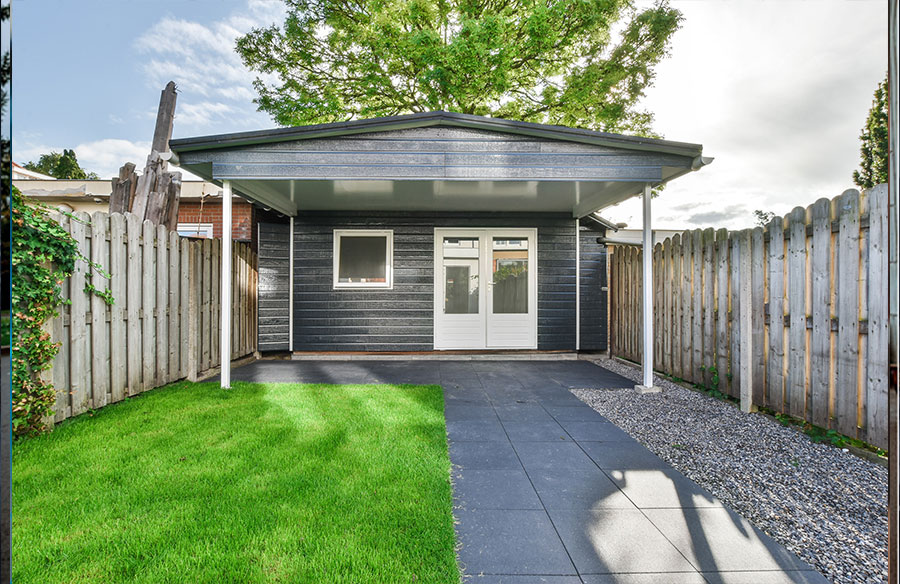
Property owners across the world are discovering a game-changing addition to their homes. The humble granny flat has transformed from a simple backyard dwelling into a powerful investment tool. But what exactly makes these structures so appealing?
These secondary dwellings offer more than extra space. They represent a strategic approach to property development that addresses housing needs while creating financial opportunities. Understanding their potential requires looking beyond traditional home extensions.
Decoding the Modern Granny Flat Mystery
The term “granny flat” might conjure images of dusty attic rooms, but today’s reality is far more sophisticated. These structures have shed their outdated reputation to become sought-after property features.
What is a Granny Flat Itself?
A granny flat stands as a complete, independent living space on the same property as the main house. Think of it as a mini-home with all the essentials. Unlike a spare bedroom or converted garage without proper facilities, a true granny flat must include:
- Full kitchen facilities
- Private bathroom
- Separate entrance
- Independent utilities
The structure can take many forms. Some sit detached in backyards, while others attach to existing buildings. Converted garages, basement apartments, or purpose-built structures all qualify, provided they meet basic living requirements.
Design Flexibility That Actually Works
Size matters less than functionality when planning these dwellings. Studio designs work perfectly for single occupants seeking affordable housing. One-bedroom layouts suit couples or professionals working from home. Two-bedroom configurations accommodate small families or provide extra flexibility for different uses.
Construction approaches vary dramatically. Prefabricated units arrive ready for installation, cutting construction time to weeks rather than months. Custom builds allow perfect integration with existing architecture but require longer timelines. Each method offers distinct advantages depending on budget and timeline constraints.
The key lies in matching design choices to intended use. Rental properties benefit from low-maintenance finishes and efficient layouts. Family accommodation might prioritize comfort and privacy features.
Money Matters – The Financial Game Changer
Smart property owners recognize granny flats as more than housing solutions. These structures create multiple income streams while building long-term wealth.
Turning Empty Space Into Cash Flow
Rental income represents the most obvious financial benefit. Properties with granny flats can command significantly higher rental returns than single-dwelling sites. The mathematics are compelling – two rental incomes from one property location.
Different rental strategies suit different situations:
- Long-term tenants: Stable monthly income with minimal management
- Short-term rentals: Higher rates but more active management required
- Family arrangements: Reduced rates but improved security and reliability
Location heavily influences rental potential. Urban areas with housing shortages see strong demand for affordable granny flat accommodation. Tourist destinations can capitalize on vacation rental markets during peak seasons.
Property Values That Actually Increase
Adding a granny flat typically boosts overall property values beyond construction costs. The increase stems from enhanced functionality and income-generating potential. Buyers recognize the versatility these structures provide for changing family needs or investment opportunities.
Value addition varies by location and execution quality. Well-designed granny flats that complement existing architecture perform better than obvious afterthoughts. Professional design input often pays for itself through improved market appeal.
Tax Benefits Worth Understanding
Granny flat ownership unlocks several tax advantages. Depreciation claims reduce taxable income over time. Rental-related expenses become deductible when generating income from the structure.
Common deductible expenses include:
- Maintenance and repairs
- Insurance premiums
- Utility costs
- Management fees
Negative gearing provisions allow rental losses to offset other income sources. This treatment can improve cash flow during the initial years when expenses exceed rental income.
Building Costs That Make Sense
Granny flat construction typically costs less than purchasing separate investment properties. Construction expenses range from budget-friendly kit homes to premium custom builds. Most projects fall between these extremes, delivering good value for money.
Timeline advantages matter too. Most granny flats are completed within four months from approval to occupancy. This speed allows quicker rental income generation compared to traditional property purchases or major renovations.
Real-World Applications That Actually Matter
Beyond financial considerations, granny flats solve practical housing challenges facing modern families. Their versatility adapts to changing circumstances over time.
Family Solutions That Keep Everyone Happy
Multi-generational living arrangements benefit from granny flat additions. Aging parents gain independence while staying close to family support. Adult children can save money while maintaining privacy and dignity.
These arrangements work because they balance proximity with independence. Family members stay connected without sacrificing personal space or privacy. Meal sharing and childcare assistance become voluntary rather than imposed.
Accessibility modifications make granny flats suitable for elderly occupants. Single-level designs eliminate stairs. Wider doorways accommodate mobility aids. Accessible bathrooms ensure long-term usability as needs change.
Work Spaces That Actually Work
Remote work has created demand for dedicated office spaces separate from main residences. Granny flats excel in this role, providing quiet environments free from household distractions.
Professional benefits include:
- Improved work-life balance
- Tax deductions for business use
- Client meeting capabilities
- Equipment storage space
Creative professionals find these spaces particularly valuable. Artists need studios for messy projects. Musicians require sound-isolated practice rooms. Writers benefit from quiet, distraction-free environments.
Guest Accommodation That Impresses
Frequent entertainers appreciate having dedicated guest accommodation. Visitors enjoy privacy and independence with their own facilities. Hosts maintain normal routines without disruption or overcrowding.
This setup works especially well for:
- Holiday properties hosting large groups
- Families with frequent interstate visitors
- Wedding venues requiring overflow accommodation
- Business properties hosting clients or colleagues
The separation allows guests to come and go independently while providing hosts with flexibility in their own spaces.
Teen Transitions Made Easier
Growing families often struggle with space constraints as children mature. Granny flats provide perfect transitional accommodation for teenagers and young adults. They gain independence while remaining under parental guidance.
This arrangement helps young adults develop life skills gradually. They learn to manage their own space, budget, and responsibilities. Parents maintain oversight without feeling intrusive or overbearing.
The temporary nature means families can reclaim space for other purposes as children establish independent lives. This flexibility represents significant value compared to permanent room additions.
Security Benefits That Matter
Granny flats positioned behind main residences offer enhanced security for both properties. Tenants provide natural surveillance while residents can monitor rental spaces easily. This mutual oversight deters criminal activity effectively.
Additional security advantages include:
- Mail collection during absences
- Property maintenance oversight
- Emergency assistance availability
- Noise reduction from street activity
The arrangement often creates stronger tenant relationships compared to distant rental properties. Proximity encourages communication and quick problem resolution.
Legal Requirements Made Simple
Building granny flats requires compliance with local planning regulations. Most areas have specific requirements regarding size limits, setback distances, and architectural compatibility. Understanding these rules early prevents costly delays.
Approval processes vary between locations. Some areas offer fast-track systems for compliant projects. Others require detailed development applications with extended review periods. Professional advice helps navigate these requirements efficiently.
Building standards ensure safety and habitability. Electrical, plumbing, and structural work must meet residential construction codes. Working with experienced builders familiar with these requirements prevents compliance issues.
Planning for Success
Successful granny flat projects require careful planning and realistic expectations. Consider intended use when making design decisions. Rental properties prioritize low maintenance and efficient layouts. Family accommodation might emphasize comfort and privacy features.
Budget planning should include hidden costs beyond basic construction. Utility connections, landscaping, and ongoing maintenance add to total project expenses. Professional project management often saves money through efficient coordination and problem prevention.
Final Thoughts
Granny flats represent more than simple property additions. They offer strategic solutions to housing challenges while creating valuable financial opportunities. From generating rental income to accommodating family changes, these versatile structures adapt to evolving needs.
Success depends on understanding local regulations, planning appropriate designs, and executing quality construction. When done properly, granny flats enhance both property values and lifestyle flexibility.