Downtown Los Angeles has rapidly transformed into one of the most desirable urban living areas in Southern California. From repurposed industrial warehouses to sleek high-rise apartments, the area offers endless possibilities for those seeking a modern urban lifestyle. But before you start decorating your new space, the first step is the move itself—and working with reliable movers in downtown Los Angeles can make the transition smoother, ensuring your belongings arrive safely and on time.
Once settled, you can focus on the fun part: designing your dream loft. With soaring ceilings, open layouts, and rich architectural character, loft living in DTLA presents both exciting opportunities and unique challenges. This guide covers everything you need to know to transform an empty loft into a stylish and functional home that reflects both your personality and the vibrant culture of Los Angeles.
The Allure of Loft Living in Downtown LA
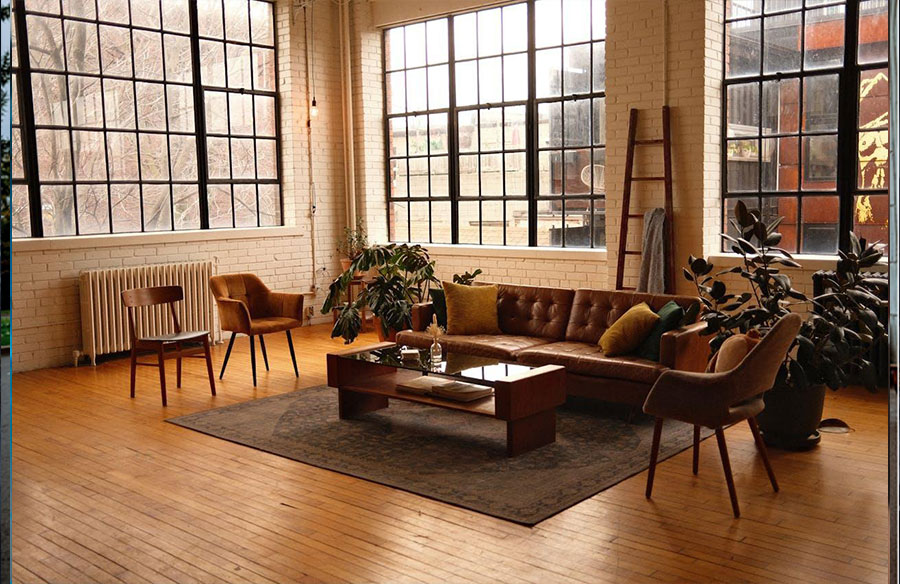
The appeal of lofts in downtown Los Angeles lies in their architectural authenticity. Many lofts are housed in historic factories or warehouses that have been converted into residential spaces while retaining raw features like exposed brick walls, steel beams, concrete floors, and large industrial windows. Others are newly built developments designed to replicate the same industrial aesthetic.
This unique mix creates an inspiring canvas for design lovers. Loft living also puts you at the center of cultural life—art galleries, live music venues, coffee shops, and creative studios are all within walking distance. Living here means your interior design doesn’t exist in isolation but is instead influenced by the energy of the city around you.
Embrace the Open Floor Plan
One of the most distinctive features of lofts is the open layout. With few or no walls dividing the space, lofts create a sense of airiness and freedom. The challenge, however, is avoiding a cluttered or undefined look.
The solution is to create “zones” within the open floor plan:
- Living zone: Use a large sectional sofa and a bold area rug to anchor your living room. Position seating toward windows or architectural features to take advantage of natural light.
- Dining zone: A long, communal dining table works well in lofts, especially when paired with pendant lights hung directly above.
- Workspace zone: With remote work more common, carve out an office nook using a standing desk and tall bookshelves as partitions.
By defining functional areas, you maintain the openness of the loft while giving the space purpose and structure.
Showcase Industrial Features
Lofts shine when their raw architectural details are embraced rather than hidden. Exposed pipes, ductwork, concrete floors, and brick walls bring character that few other spaces can replicate.
- Highlight brick walls with track lighting or large-scale artwork.
- Contrast concrete floors with plush rugs in natural fibers.
- Use metal beams and ductwork as natural lines to inspire symmetry in your layout.
This design strategy not only honors the building’s history but also gives your loft a timeless, urban personality.
Furniture That Fits the Scale
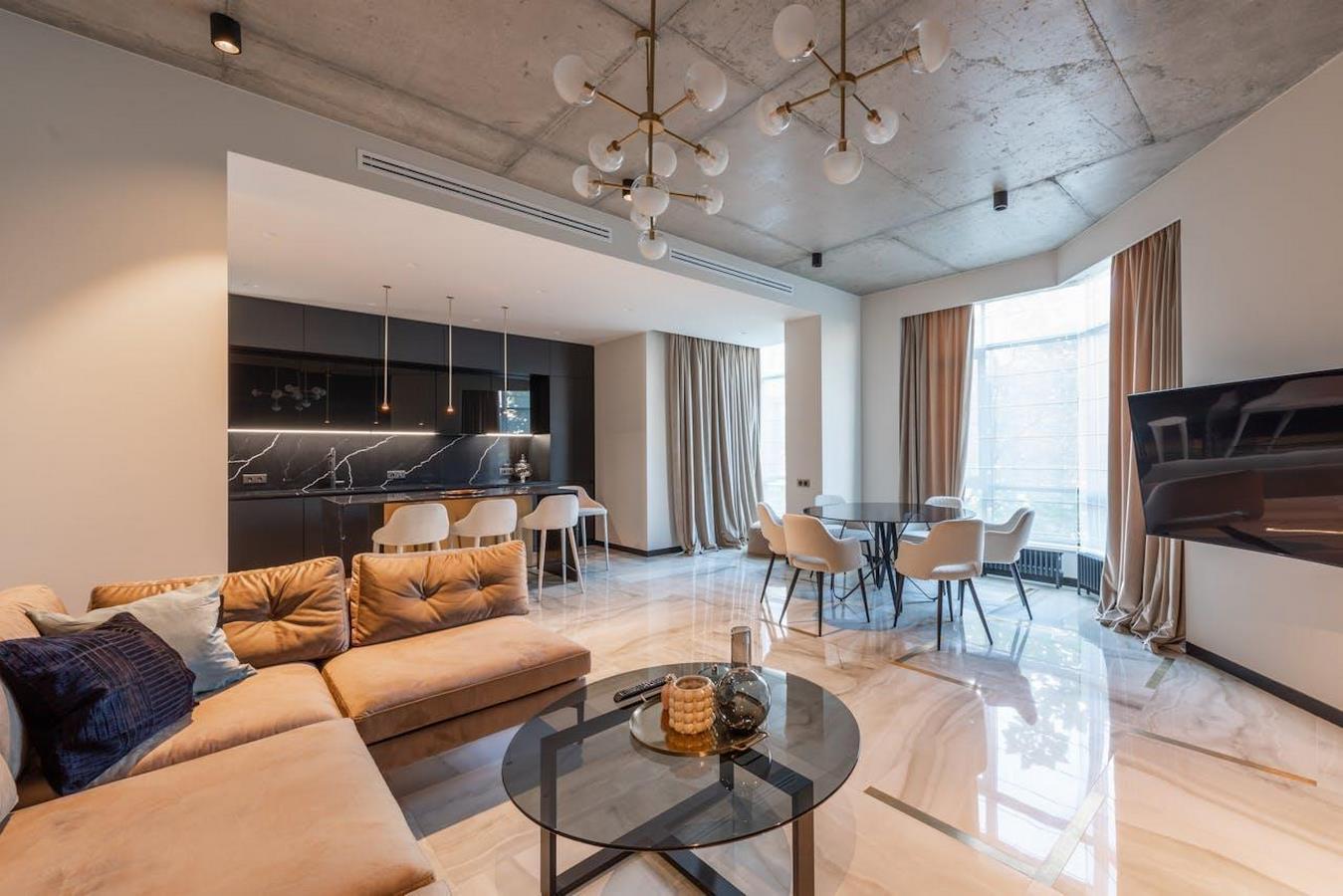 The soaring ceilings and wide layouts of lofts call for furniture that matches their scale. Standard apartment furniture may look undersized or lost in the space. Instead, choose larger, statement pieces:
- Oversized sectional sofas that define the living area.
- Tall shelving units that utilize vertical space.
- Large artwork or wall hangings that balance expansive walls.
For smaller lofts, multifunctional furniture is key. Modular sofas, Murphy beds, and expandable dining tables let you adapt your space to different needs without sacrificing comfort.
The Role of Natural Light
One of the greatest assets of downtown lofts is their abundance of natural light. Large windows flood interiors with sunshine, making spaces feel even more open and vibrant.
- Use sheer curtains or roller shades that offer privacy while allowing light to filter through.
- Position mirrors to reflect light deeper into the loft.
- Create light-friendly zones by placing a reading nook or dining space near windows.
Maximizing natural light not only makes your loft more inviting but also reduces the need for artificial lighting during the day.
Mixing Old and New
 Lofts provide the perfect stage for eclectic design. Their raw backdrops pair beautifully with a blend of modern and vintage elements.
- Place a reclaimed wood dining table next to sleek acrylic chairs.
- Layer antique rugs on polished concrete floors.
- Combine mid-century modern lighting with industrial steel shelving.
This contrast reflects downtown LA’s spirit, where historic architecture sits side-by-side with cutting-edge development.
Storage: A Loft Necessity
While lofts deliver in space and character, they often lack built-in storage. Creative solutions are essential:
- Vertical shelving systems maximize high ceilings.
- Multipurpose furniture like ottomans and beds with drawers keep items hidden.
- Custom-built storage can make use of underutilized nooks, such as under staircases or behind sliding barn doors.
Treat storage not just as necessity, but as an opportunity to add design value.
Sound & Acoustics
With hard surfaces and tall ceilings, lofts can sometimes amplify sound. Designing with acoustics in mind improves comfort:
- Add rugs, textiles, and curtains to absorb sound.
- Install acoustic panels disguised as art.
- Fill large shelving units with books and decor to act as sound buffers.
Good acoustics make a loft feel less like an echoing warehouse and more like a cozy, livable home.
Bringing in Art and Culture
Downtown Los Angeles is synonymous with art, and your loft can reflect that cultural richness.
- Create a gallery wall with oversized canvases.
- Showcase sculptures or artisan furniture pieces as focal points.
- Support local artists by commissioning custom work that ties your home to the neighborhood’s creative spirit.
Lofts thrive on bold choices, making them perfect canvases for artistic expression.
Sustainable Loft Design
Sustainability is increasingly shaping both architecture and interior design. For loft dwellers, eco-friendly choices can be stylish and practical:
- Opt for reclaimed wood furniture and repurposed materials.
- Choose energy-efficient appliances and LED lighting.
- Incorporate indoor greenery not only for aesthetics but also for air purification.
These practices align with Los Angeles’ broader sustainability goals and give your loft a unique story.
Smoothly Transitioning Into Loft Living
Before you can bring your design vision to life, the moving process itself needs attention. Downtown Los Angeles poses unique relocation challenges: one-way streets, tight parking, freight elevator reservations, and building move-in restrictions.
Hiring professional movers in downtown Los Angeles ensures your belongings are transported safely while navigating these logistical hurdles. From oversized furniture to delicate art pieces, experienced movers know how to handle items in a way that saves you stress and protects your investment.
This professional help gives you the peace of mind to focus on what matters most—settling in and designing your loft.
Neighborhood Influence on Design
Your loft design can also reflect the character of your specific DTLA neighborhood:
- Arts District: Bold colors, industrial decor, and murals.
- Financial District: Sleek, minimalist, and modern.
- Historic Core: Vintage touches paired with updated finishes.
Let your surroundings inspire your interiors, creating harmony between your home and its urban environment.
Additional Considerations
To reach the next level of sophistication in your loft design, consider these finer details:
- Lighting layers: Mix overhead lights, floor lamps, and wall sconces to add depth.
- Textures: Combine concrete, wood, leather, glass, and textiles for balance.
- Personal touches: Incorporate souvenirs, books, or heirlooms to avoid the “showroom” feel.
Designing your loft is about more than just aesthetics—it’s about creating a livable space that reflects who you are.
Final Thoughts
Designing a loft in downtown Los Angeles means embracing the unique architectural and cultural fabric of the city. By working with open layouts, highlighting industrial features, scaling your furniture, and blending old with new, you can craft a home that is both stylish and functional.
Sustainability, acoustics, art, and smart storage all play critical roles in making your loft not only beautiful but livable. And with the support of experienced movers, your transition into downtown living becomes far smoother.
At the end of the day, your loft should feel like a reflection of Los Angeles itself—dynamic, diverse, and endlessly creative.