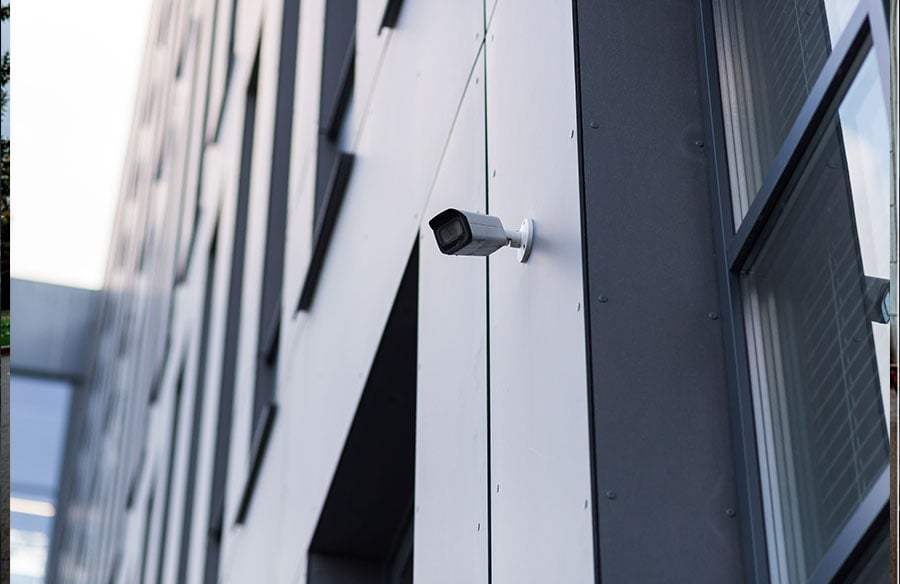
Businesses looking to enhance their security often wonder how much they can expect to invest in a robust camera system. The average cost of security camera installation for commercial properties typically ranges from $150 to $1,500 per camera, depending on the type of equipment, installation complexity, and other site-specific requirements. Factors such as camera features, the number of units needed, and integration with existing systems all play crucial roles in shaping the final price.
Different types of security camera systems—from basic analog models to advanced IP solutions with enhanced capabilities—present varying installation costs and features. Costs also increase with additional options like night vision, motion detection, and higher-resolution cameras, so businesses should consider their specific needs when budgeting. Those interested in lowering insurance premiums may also find long-term value in investing in a well-installed system.
Key Takeaways
- Average commercial security camera installation costs are $150–$1,500 per camera.
- System type and features significantly impact overall pricing.
- Additional options and site requirements affect the total investment.
Average Costs and Key Factors for Commercial Security Camera Installation
Installation costs for commercial security cameras depend on a mix of hardware choices, labor, technology level, and facility size. Careful evaluation of these elements is important for budgeting and choosing the right surveillance solution for a business.
Typical Price Ranges for Installation
For most small to mid-sized commercial properties, average installation prices for a basic surveillance system fall between $4,000 and $9,000. This range typically covers 4-8 cameras with standard features and professional installation. For larger properties or institutions requiring extended coverage and advanced technology—such as high-resolution IP cameras, advanced analytics, or integrated monitoring—costs can exceed $10,000.
The price also depends on whether the system is analog CCTV or modern network-based (IP) video surveillance. IP systems usually cost more upfront but may reduce long-term maintenance expenses and offer better flexibility.
Main Cost Components
Several core components account for most of the expense:
- Equipment: Cameras, network video recorders (NVRs or DVRs), cables, mounting hardware, and monitors. Camera prices vary by feature, quality, and type (e.g., fixed, PTZ, thermal).
- Labor: Professional installation includes mounting, wiring, configuration, and system testing.
- Software and Licensing: Video management software, analytics tools, and user licenses may come with additional costs.
- Ongoing Costs: Maintenance, support, software updates, and cloud storage subscriptions (if used).
Key Factors Impacting System Cost
Several factors will have the biggest effect on final pricing:
- Number of Cameras: More cameras increase both equipment and labor costs.
- Type of Cameras: Higher resolution, night vision, or specialty cameras (thermal, PTZ) cost more.
- Installation Complexity: Multi-story buildings, outdoor areas, or challenging layouts increase installation labor.
- Technology Choices: Choosing IP-based systems, wireless setups, or integrated video analytics may raise costs.
- Coverage Area: Facilities with greater square footage or requiring coverage of multiple entrances and high-traffic areas need more extensive systems.
Client needs—such as remote access, storage duration, and real-time monitoring—should also be considered, as these influence the size and features of the surveillance system required.
Types Of Security Camera Systems and Additional Features
The total cost and effectiveness of a security solution depend on more than just the cameras themselves. Factors like system type, necessary integrations, and specialized detection components impact both upfront and ongoing investment.
CCTV and Video Surveillance Options
Commercial CCTV and video surveillance systems come in several formats, including analog, IP (network-based), and hybrid setups. Most businesses now opt for IP cameras due to their higher resolution, flexible scalability, and advanced features.
Key considerations:
- Camera Resolution: Higher megapixels provide clearer images but typically raise system cost.
- Number of Cameras: Larger properties may need more cameras to achieve full coverage.
- Storage: Systems may utilize on-site Network Video Recorders (NVRs) or cloud storage, with ongoing costs varying by storage type and retention period.
- Analytics: Many modern systems offer intelligent analytics, such as facial recognition, license plate reading, and remote access via mobile apps.
Costs per camera can range from $150 for basic models to over $700 per unit for advanced 4K cameras. Installation complexity and network requirements also play a role in final pricing.
Access Control and Integration Costs
Adding an access control system can significantly improve building security by restricting entry to authorized personnel using keycards, codes, or even biometric readers. Integration with video surveillance can provide visual verification of access events.
Features commonly included:
- Electronic Door Locks: Managed centrally for increased control.
- Credential Options: Cards, PINs, mobile access, and biometric readers.
- Software Management: Real-time access logs and remote administration.
Installation for a basic access control point can start around $500–$1,500 per entry. Integration with surveillance or alarm systems may require upgraded hardware or additional setup fees. Licensing and ongoing maintenance may create additional annual expenses.
Conclusion
Commercial security camera installation costs vary widely, typically ranging from $500 to $2,500 or more per camera, depending on the system type, features, and installation complexity. IP cameras, advanced features, and challenging mounting locations increase costs, while basic analog systems and simple installs are more affordable.
Businesses should assess their unique needs and property layout before budgeting for a system. Getting multiple quotes and considering both short-term and long-term factors helps ensure the investment supports reliable security and value. Clear planning and informed choices enable organizations to balance cost, performance, and sustainability. This approach supports safer environments and makes the most of the security budget.