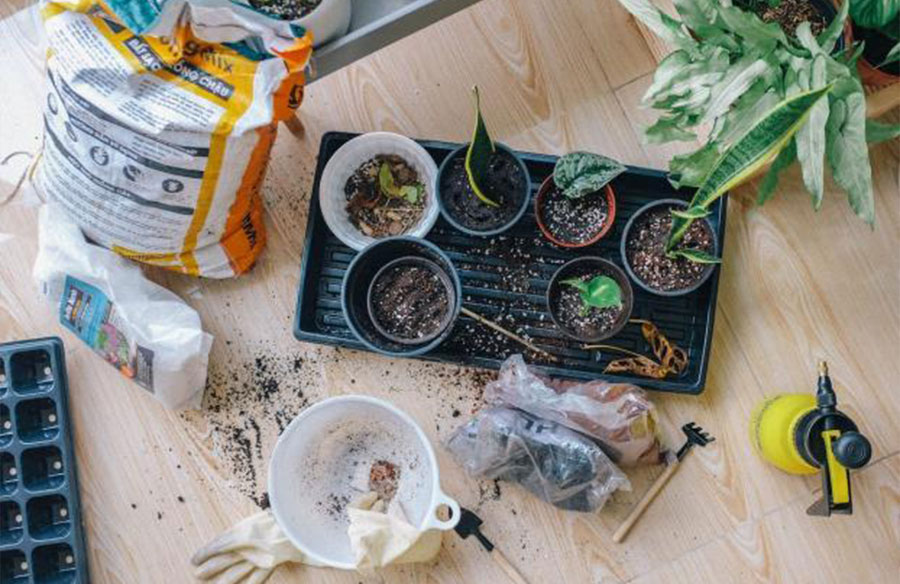
Gardening isn’t just about planting seeds and waiting for them to grow. It’s about creating a unique, serene space that reflects your personality and lifestyle. Whether you are blessed with a vast yard or limited to a petite patio, you can transform your outdoor area into a thriving haven that brings joy and serenity.
In this guide, we will walk you through everything from creating a vision for your garden to implementing the design, and finally, troubleshooting any issues that may arise. Our aim is to equip you with the essential knowledge you need to create a garden that will be the envy of all your neighbors. Now, let’s get started on your gardening adventure!
Creating a Vision for Your Garden
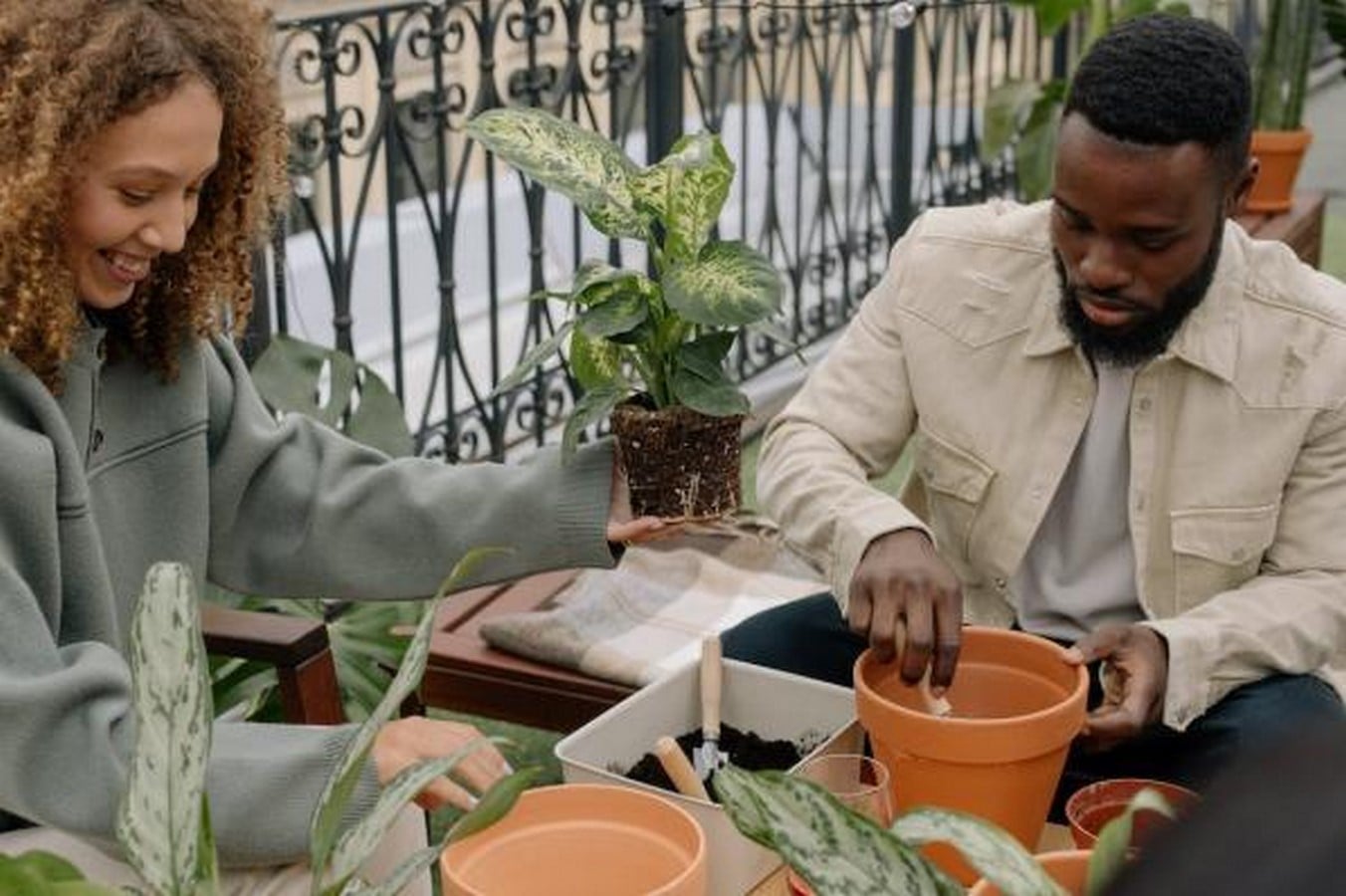 Before breaking ground, it’s crucial to envision what you want your garden to be. The foundation of any great garden starts with identifying your gardening goals, selecting a style, and determining the space’s functionality.
Identifying Your Gardening Goals and Preferences
Start by determining your gardening goals. Are you looking to create a peaceful retreat, a vibrant entertaining space, or a productive vegetable garden? Your gardening goals will help guide your design choices, from the type of plants you choose to the garden’s layout.
Consider your color preferences, the level of maintenance you can provide, and the seasonal changes your garden will undergo. Your preferences and lifestyle will ultimately dictate the type of garden that’s perfect for you.
Choosing a Theme or Style for Your Garden
The style of your garden can range from traditional or formal to modern or casual. The design could be inspired by a Japanese Zen garden, an English cottage garden, or even a xeriscape for water conservation.
Your selected theme should align with your home’s architecture and the surrounding environment for a cohesive look. Remember, the style you choose will set the tone for your garden and influence the plants, materials, and hardscape elements you’ll use.
Determining the Desired Functionality of the Space
The functionality of your garden is a key consideration. Are you designing an area for children to play, a space for dining and entertaining, or a peaceful retreat to relax? Perhaps you wish for a combination of these elements.
Consider how the space will be used and by whom. This understanding will help you determine the necessary features, like pathways for access, a patio for entertaining, or raised beds for vegetable gardening.
Planning and Designing Your Garden Layout
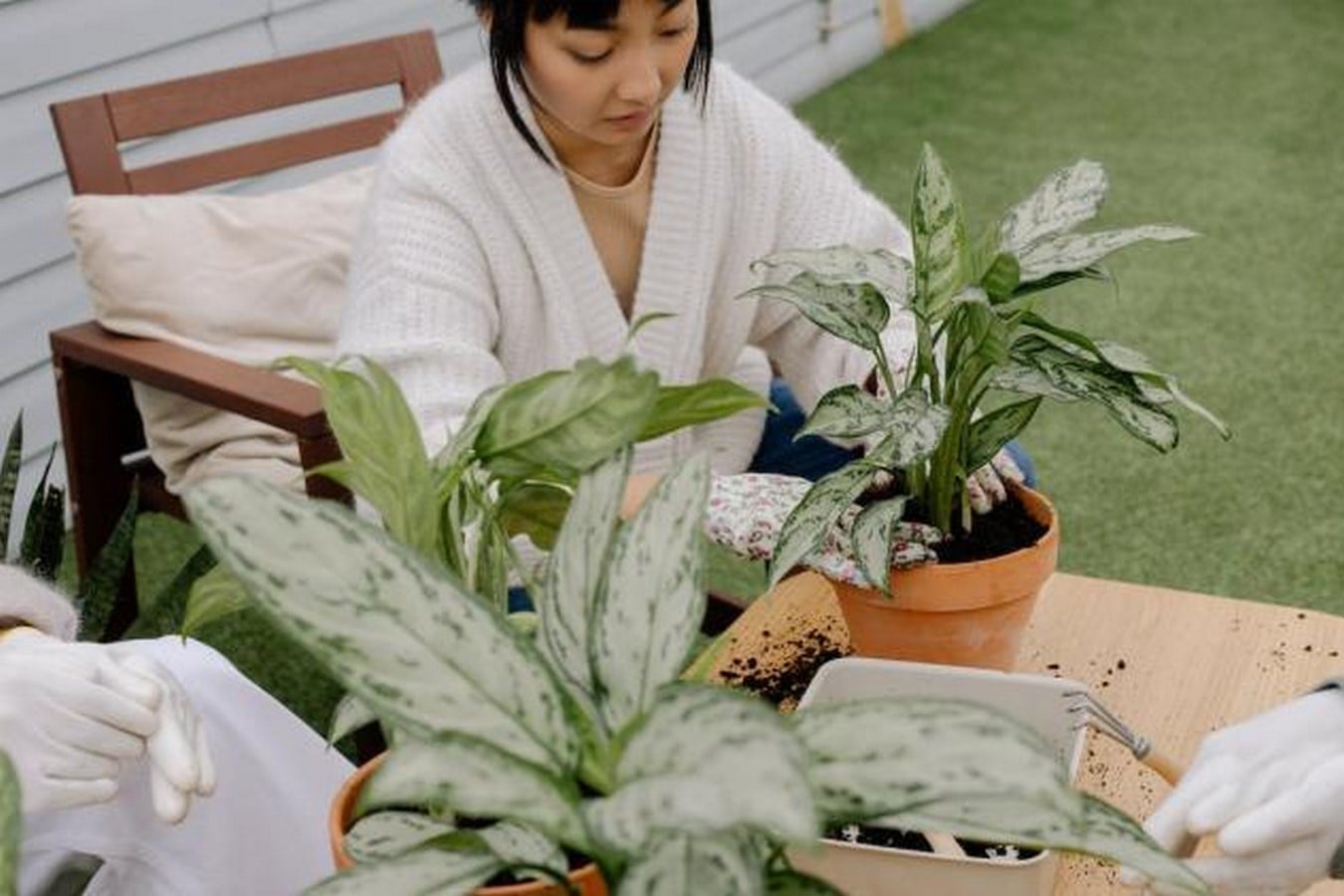 Now that you’ve defined your vision, the next step is to plan and design your garden’s layout. This includes understanding your space, adhering to design principles, and incorporating essential features like pathways and seating areas.
Assessing the Available Space and Dimensions
Understanding your available space is critical. Sketch out your garden area, noting the dimensions, existing structures, trees, and any other elements that will influence your design. Be mindful of the sun and wind patterns throughout the day, as they will affect plant growth and comfort in seating areas.
Understanding the Principles of Design: Balance, Proportion, and Focal Points
Applying design principles like balance, proportion, and focal points can significantly improve your garden’s aesthetic appeal. Balance creates harmony, which can be achieved symmetrically or asymmetrically.
Proportion ensures that the garden elements relate well to each other, while focal points draw the eye and create interest. These principles guide the arrangement of plants, structures, and other garden elements, ensuring a pleasing and cohesive design.
Designing Pathways, Patios, and Seating Areas
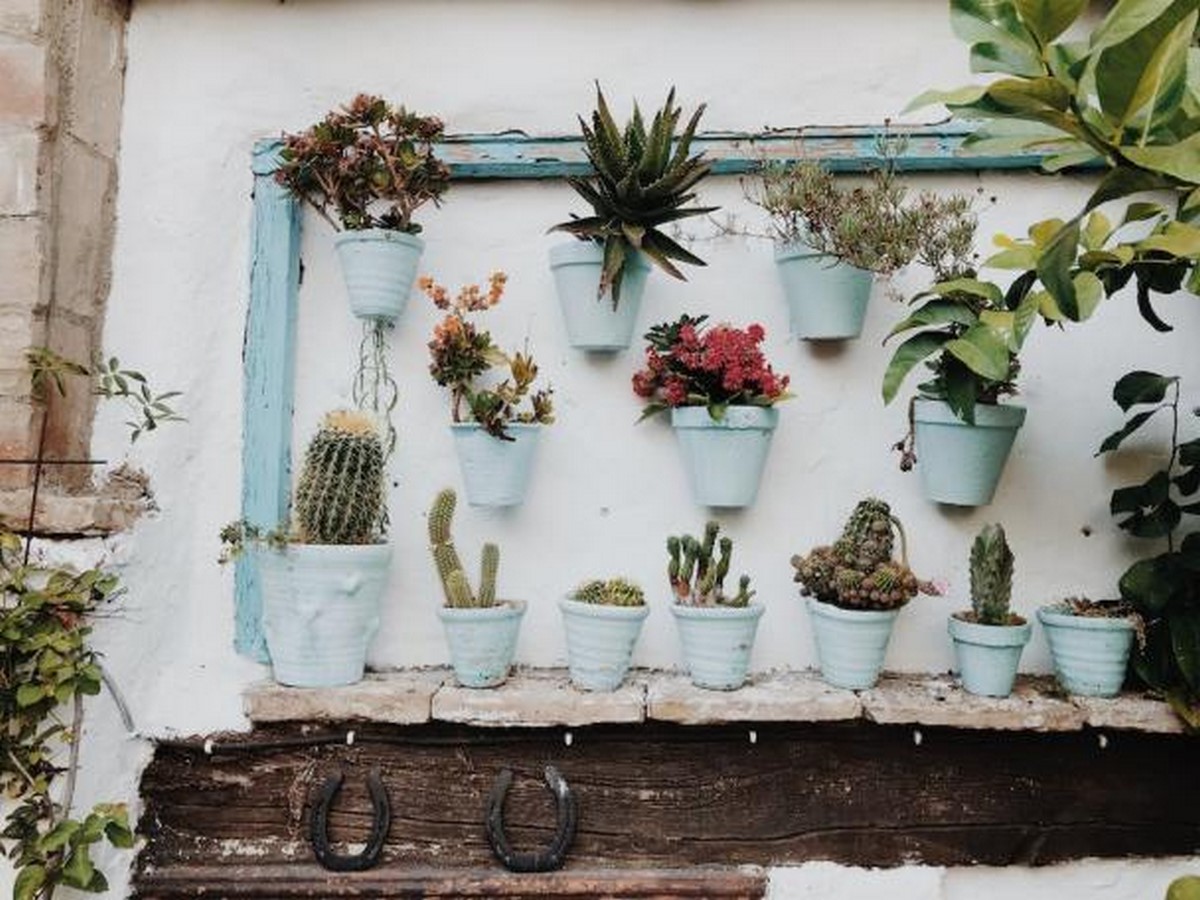 Pathways guide visitors through your garden, patios offer space for relaxation or entertainment, and seating areas provide a place to enjoy the garden’s beauty. These features should be both practical and attractive.
When designing pathways, consider materials that are easy to walk on and complement your garden’s style. Patios and seating areas should be situated to take advantage of the best views and sunlight, while also offering some shade for comfort.
Considering the Use of Vertical Space and Containers
Don’t just think horizontally; vertical space is equally important! Climbing plants, trellises, and hanging baskets can add depth and interest to your garden. Similarly, using containers allows you to grow plants in small spaces and even change the layout easily.
Selecting Plants and Materials
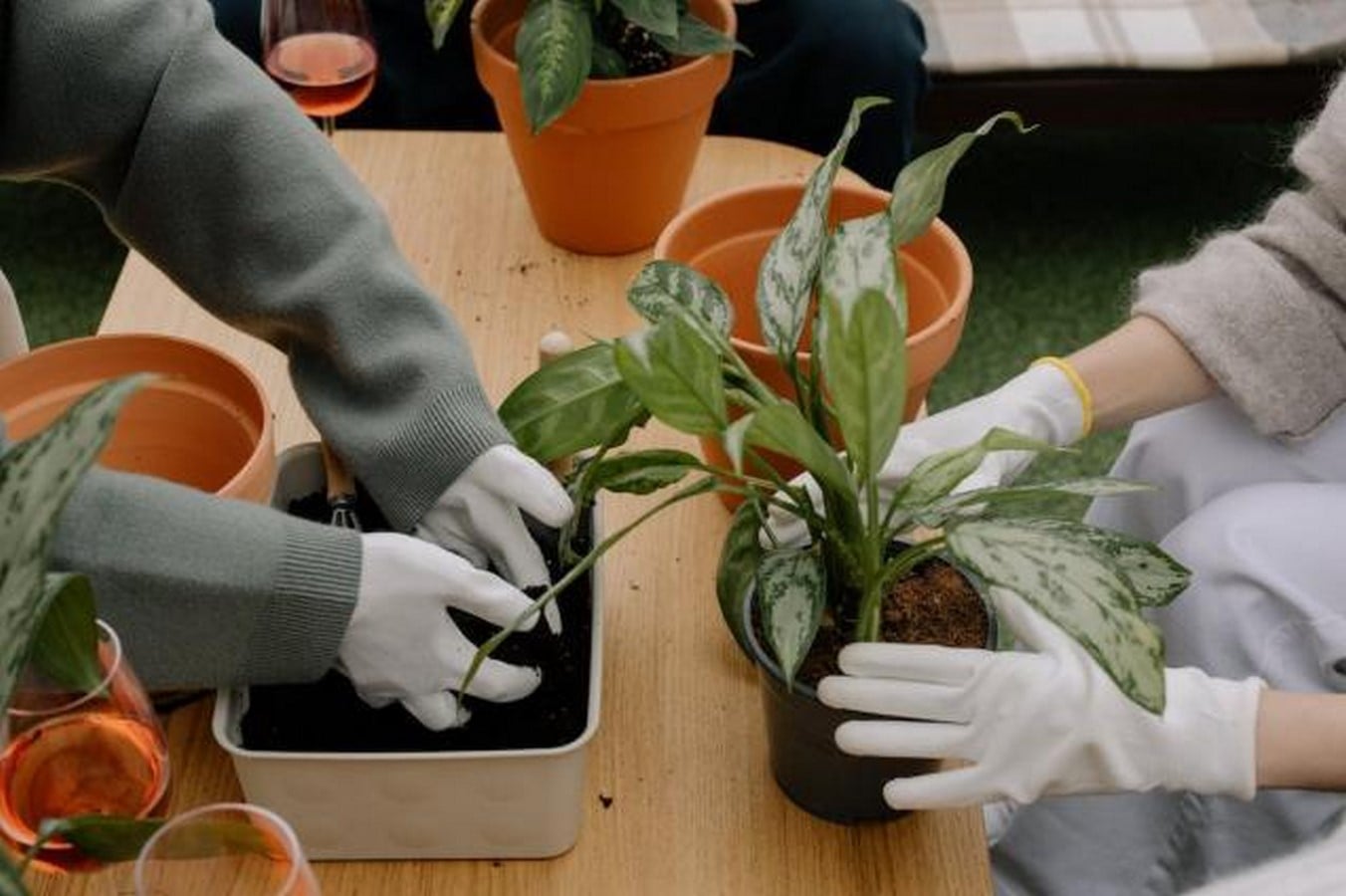 With the layout planned, it’s time to dive into the exciting world of plants and materials that will bring your garden to life.
Researching Suitable Plants for Your Climate
Not all plants are suitable for every climate. Do some research to find out which plants thrive in your area. My Perfect Plants, for example, sells a wide variety of plants and can be a valuable resource for finding suitable ones for your garden.
Understanding the Different Types of Plants
Different plants serve different purposes. Perennials come back year after year, while annuals only last for one season. Shrubs and trees are more permanent and can provide structure to your garden. Understand the characteristics of various plants, and choose those that align with your gardening goals.
Choosing Plants Based on Their Growth Habits and Maintenance Requirements
Consider how big the plants will grow and how much space they’ll need. Also, think about how much time you’re willing to spend on maintenance. Some plants require more care than others. Select plants with growth habits and maintenance requirements that fit your lifestyle and the available space.
Exploring Various Materials for Hardscaping Elements
Hardscape elements like pathways, patios, and fences are essential. Choose materials that complement the style of your garden and are durable and weather-resistant. Common materials include stone, brick, gravel, and wood.
Implementing Your Garden Design
With a solid plan in place, it’s time to bring your vision to life by implementing your garden design.
Preparing the Soil and Making Necessary Amendments
Before planting, it’s crucial to prepare the soil. Remove weeds and debris, and loosen the soil. Add compost or other organic matter to improve soil fertility and structure.
Properly Planting and Spacing Your Chosen Plants
When planting, pay attention to the spacing recommendations for each plant to ensure they have room to grow. Plant in groups for visual impact, and remember to water the plants after planting.
Installing Hardscape Features and Structures
Follow your plan to install pathways, patios, and other structures. Ensure they are level and stable. Add a layer of mulch around plants to reduce weeds and retain soil moisture.
Adding Finishing Touches and Decorative Elements
Finishing touches like decorative pots, garden art, and lighting can make your garden truly unique. These elements add character and charm to your space.
Troubleshooting Common Issues
Even with careful planning, issues can arise. Here’s how to tackle some common problems.
- Dealing with Poor Drainage or Soil Quality: Poor drainage can drown your plants, while poor soil can hinder growth. Improve drainage by raising beds or installing a drainage system. Enhance soil quality by adding organic matter.
- Managing Weeds, Pests, and Diseases: Regularly check for and remove weeds. Keep an eye out for signs of pests and diseases, and address them promptly using appropriate treatments or natural remedies.
- Addressing Plant Overcrowding or Inappropriate Growth: If plants become too crowded or grow too large, consider pruning them or moving them to a more suitable location.
Garden Design Inspiration and Resources for Beginners
There’s a wealth of resources available to help you on your gardening journey. Let’s explore where you can find inspiration and advice.
Exploring Online Resources and Tools for Garden Design
The internet is a treasure trove of information and tools. There are numerous websites, forums, and social media groups where you can find inspiration, ask questions, and learn from other gardeners. Additionally, online tools like garden planners can help you visualize your garden before you start planting.
Finding Inspiration from Books, Magazines, and Garden Tours
Books and magazines are still fantastic resources for garden design. They often provide in-depth information and stunning images. Additionally, consider visiting garden shows or going on garden tours. These can be wonderful sources of inspiration and give you a feel for what is possible.
Seeking Advice from Local Garden Centers or Professional Designers
Don’t hesitate to seek advice from professionals. Local garden centers usually have knowledgeable staff who can offer valuable advice. If you need more help, consider hiring a professional garden designer, even if it’s just for a consultation.
Key Takeaways
Designing your dream garden is an exciting journey that requires thought, planning, and creativity. Starting with a clear vision and purpose, understanding your space, and selecting the right plants and materials are key steps in creating a garden that reflects your personality and lifestyle.
Remember that gardening is an ongoing process. Your garden will grow and change, and so will you. Embrace the learning and enjoy the satisfaction and joy that come with creating and nurturing your own little piece of paradise. Whether you’re creating a tranquil retreat or a bustling family space, your garden can be a source of endless delight and a true reflection of your heart. Happy gardening!