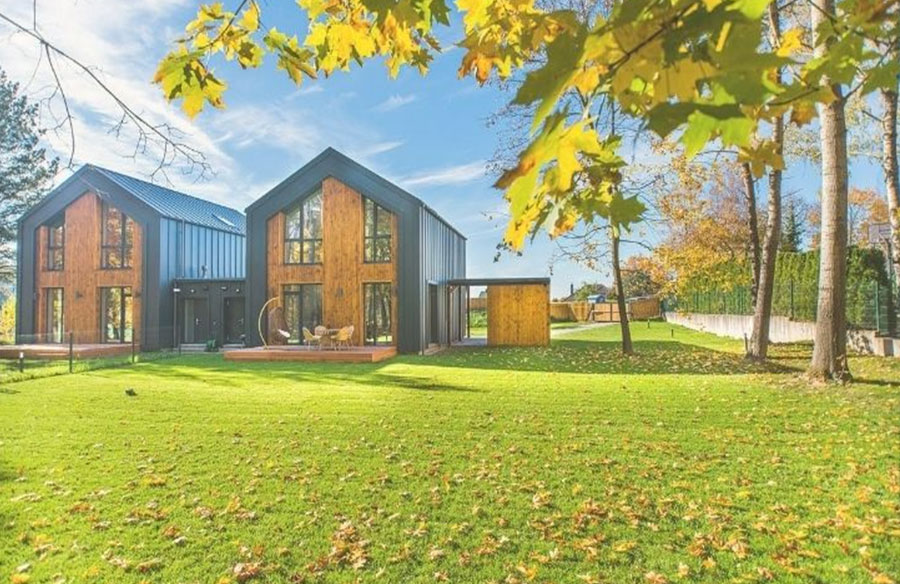
As the world becomes increasingly conscious of the environmental impact of our actions, sustainable living practices are gaining popularity. One area where sustainable choices can make a significant difference is in home construction and renovation. When it comes to building home extensions, whether that’s a single storey extension or a kitchen extension, there are numerous eco-friendly solutions available that not only reduce our carbon footprint but also create healthier living spaces. In this blog, we will explore some of the top eco-friendly solutions for building sustainable home extensions.
Passive Design
Passive design principles play a crucial role in sustainable home extensions. By harnessing natural resources such as sunlight, wind, and shade, passive design reduces the need for artificial heating, cooling, and lighting. Key elements of passive design include strategic window placement to maximize natural light and ventilation, proper insulation to minimize heat loss, and the use of shading devices to reduce solar heat gain.
Renewable Energy Sources
Integrating renewable energy sources into home extensions is an excellent way to reduce reliance on fossil fuels and decrease carbon emissions. Solar panels, for example, can be installed on the roof of the extension to harness the sun’s energy and generate electricity. This clean and sustainable energy source can power the extension and even feed excess electricity back into the grid.
Green Roofing
Green roofing is a unique and eco-friendly solution that involves covering the roof of the extension with vegetation. It offers a range of benefits, including improved insulation, reduced stormwater runoff, and enhanced air quality. Green roofs also provide habitat for wildlife and contribute to urban biodiversity. Additionally, they can help lower energy consumption by keeping the extension cooler in summer and warmer in winter.
Recycled and Sustainable Materials
Choosing recycled and sustainable materials for your home extension is a significant step towards sustainability. Opt for materials such as reclaimed wood, recycled metal, and salvaged bricks, which reduce the demand for new resources and minimize waste. Additionally, consider using low VOC (volatile organic compound) paints and finishes to improve indoor air quality and reduce harmful emissions.
Efficient Water Management
Water is a precious resource, and implementing efficient water management systems in your home extension can make a substantial difference. Install water-efficient fixtures such as low-flow toilets, faucets, and showerheads to reduce water consumption. Incorporating rainwater harvesting systems can also help collect and store rainwater for non-potable uses such as irrigation, reducing the strain on municipal water supplies.
Natural Ventilation and Lighting
Maximizing natural ventilation and lighting is essential for creating a sustainable and comfortable living environment. Design your extension with ample windows and skylights to allow natural light to flood the space, reducing the need for artificial lighting during the day. Incorporate well-placed windows and vents to facilitate cross-ventilation, promoting fresh air circulation and reducing reliance on mechanical ventilation systems.
Energy-Efficient Appliances and Lighting
When equipping your home extension, opt for energy-efficient appliances and lighting fixtures. Look for products with the Energy Star label, which indicates they meet strict energy efficiency guidelines. LED lighting, for instance, consumes significantly less energy than traditional incandescent bulbs and has a longer lifespan. Energy-efficient appliances not only help conserve energy but also reduce utility bills in the long run.
Building sustainable home extensions is not only an eco-friendly choice but also a smart investment for the future. By incorporating passive design principles, renewable energy sources, green roofing, recycled materials, efficient water management, natural ventilation and lighting, and energy-efficient appliances, you can create a sustainable living space that benefits both the environment and your family’s well-being. Let’s embrace these eco-friendly solutions and contribute to a greener and more sustainable future.