Did you know that pool pumps can account for up to 40% of a home’s total electricity consumption, adding $500-$800 to annual energy bills? As the second-largest energy consumer in most homes with pools, traditional pool pumps operate inefficiently, running at full power regardless of actual needs. Smart water pump control technology offers a game-changing solution, allowing homeowners to slash energy costs while maintaining crystal-clear water. By optimizing pump operation through intelligent scheduling, remote monitoring, and automated adjustments, pool owners can reduce pump-related energy consumption by up to 70%. This article explores how to maximize pool efficiency through smart pump control, covering energy consumption patterns, the limitations of conventional timers, benefits of smart technology, implementation strategies, and maintenance best practices to ensure long-term savings.
Understanding Pool Pump Energy Consumption
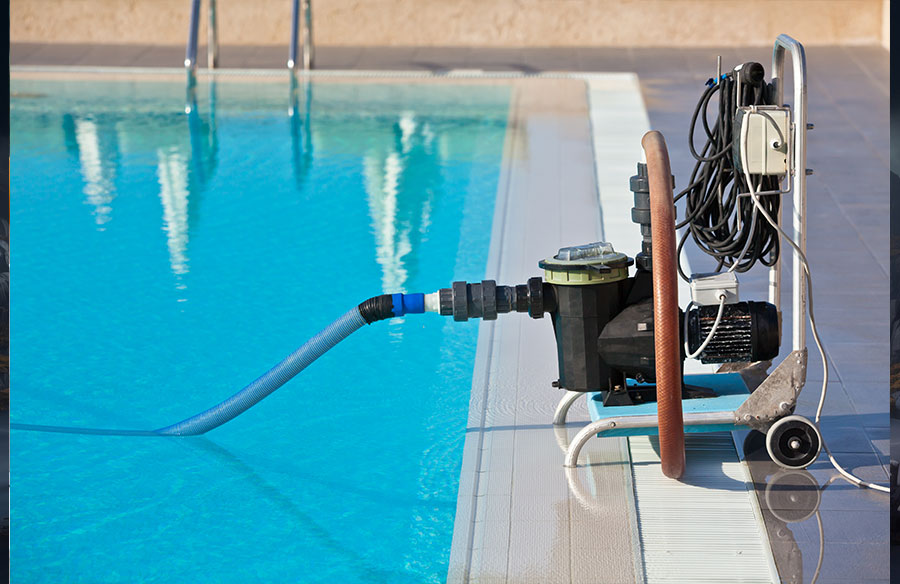
Pool water pumps typically consume between 1,500 to 2,500 watts per hour during operation, with many systems running 8-12 hours daily. This substantial energy draw stems from oversized pumps, which are often 20-40% larger than necessary for residential pools. Single-speed pumps, still common in many homes, operate at full power regardless of the filtering needs, leading to excessive energy consumption. Poor plumbing design, including unnecessary bends and constrictions, forces pumps to work harder, increasing energy usage by up to 25%. Additionally, improper maintenance compounds these inefficiencies – clogged filters and baskets can reduce pump efficiency by 30%, while scaling in pipes increases resistance and power consumption. When debris accumulates in skimmer and pump baskets, the system must work overtime to maintain proper water circulation, further driving up electricity costs. Understanding these factors is crucial, as they directly impact both monthly utility bills and the pump’s operational lifespan. Regular monitoring of pump performance through pressure gauge readings and energy consumption patterns can help identify efficiency losses before they become major issues.
The Problem with Traditional Timer Settings
Traditional pool pump timers represent an outdated approach that wastes significant energy through their rigid, inflexible operation. These basic timers follow the same schedule regardless of changing pool conditions, running pumps at full capacity even during periods when minimal filtration would suffice. During cooler months, pools require less circulation, yet conventional timers continue operating at summer-level durations. Weather changes pose another challenge – after heavy rains or storms, pools need extra filtration time, but manual timers can’t automatically adjust. This inflexibility often leads pool owners to err on the side of caution, setting longer run times than necessary year-round. The fixed nature of traditional timers also complicates maintenance scheduling, as service technicians must physically visit the site to modify settings. When chemical treatments require temporary circulation adjustments, the limitation of basic timers often results in either inadequate mixing or excessive pump operation. Additionally, these systems can’t take advantage of off-peak electricity rates, as they lack the intelligence to automatically shift operation to more cost-effective hours.
Smart Pump Control: The Ultimate Efficiency Solution
Smart pool water pump control systems represent the latest advancement in pool automation technology, combining intelligent sensors, wireless connectivity, and sophisticated algorithms to optimize pump operation. These systems retrofit easily to existing pool pumps through a smart controller that replaces or augments traditional timers. At their core, smart controllers utilize real-time monitoring of water flow, pressure, and temperature to automatically adjust pump speed and duration. The technology leverages variable frequency drives (VFD) to modulate pump speed based on actual filtering needs, rather than running at full power continuously.
Key Benefits Beyond Energy Savings
Smart pump control systems transform pool maintenance through comprehensive remote management capabilities. Using smartphone apps like iGarden’s intuitive control interface, owners can monitor and adjust pump settings from anywhere, receiving instant notifications about system performance and water quality. The intelligent operation significantly extends pump lifespan by reducing wear and tear through optimized speed control. Maintenance becomes more streamlined as the system tracks filter status, chemical levels, and circulation patterns, automatically adjusting schedules to maintain optimal water quality. The technology also enables precise chemical distribution through automated circulation cycles, ensuring better water clarity while using fewer chemicals. Advanced models can even predict maintenance needs before problems arise, scheduling service visits proactively rather than reactively.
Implementing Smart Control: Setup and Optimization
Installing a smart pool pump controller begins with selecting a compatible device for your existing pump model. Most controllers connect inline between the power source and pump, requiring basic electrical knowledge or professional installation. Before installation, document your current pump settings and performance metrics as baseline data. The physical setup typically involves mounting the controller in a weather-protected location, connecting power leads, and installing the included flow and temperature sensors at appropriate points in your plumbing system.
Mastering Timer Settings for Maximum Efficiency
Calculate optimal runtime by dividing pool volume (in gallons) by flow rate (GPM) to determine turnover requirements. Generally, aim for one complete turnover daily during winter and two during peak summer months. Program shorter, more frequent cycles rather than single long runs to maintain circulation while minimizing energy use. Enable weather-responsive features to automatically extend filtration after rain or during high-temperature periods. Schedule primary operation during off-peak utility hours, typically between 9 PM and 6 AM, to maximize cost savings.
Advanced App Control Features
Modern smart controllers offer comprehensive mobile apps that transform pool management. Track real-time power consumption through detailed graphs and automated reports, helping identify peak usage patterns. Create custom scenarios for specific situations like pool parties (increased filtration) or vacation modes (minimal operation). Set up maintenance alerts based on run time, pressure changes, or flow rates to catch potential issues early. Configure role-based access for family members or pool service providers, allowing limited or full control as needed. Many systems also integrate with home automation platforms, enabling coordinated operation with other smart home devices for enhanced efficiency.
Proactive Pool Maintenance for Sustained Efficiency
Maintaining optimal pool pump efficiency requires a systematic approach to preventive maintenance. Start with weekly inspections of the pump basket and skimmer, removing debris before it can impact water flow. Check the pump’s pressure gauge monthly – readings 8-10 PSI above baseline indicate filter cleaning is needed. Clean or backwash filters when pressure rises to prevent strain on the pump motor. Inspect O-rings and gaskets quarterly for wear, replacing them before leaks develop. Listen for unusual noises during pump operation, as bearing problems often manifest through grinding or squealing sounds. Keep pump housing clean and well-ventilated to prevent overheating. During spring and fall, conduct thorough system checks including pressure testing plumbing connections and verifying proper voltage to the pump. For winter preparation in colder regions, ensure proper drainage of pump and pipes to prevent freeze damage. Document all maintenance activities and pressure readings to track system performance over time, helping identify gradual efficiency losses that might otherwise go unnoticed.
Smart Pool Technology: The Future of Energy-Efficient Pool Management
Smart pool pump control technology represents a transformative solution for homeowners seeking to reduce energy costs while maintaining pristine pool conditions. By replacing outdated timer systems with intelligent controllers, pool owners can achieve energy savings of up to 70% on pump operation, translating to $350-$560 in annual cost reductions. The combination of automated scheduling, weather-responsive operation, and remote monitoring eliminates the guesswork from pool maintenance while extending equipment lifespan. Smart controllers’ ability to optimize run times, adjust to real-time conditions, and operate during off-peak hours ensures maximum efficiency with minimal effort. The initial investment in smart pump control technology typically pays for itself within 12-18 months through reduced energy consumption and maintenance costs. With rising electricity rates and increasing focus on energy conservation, there’s never been a better time to upgrade your pool pump system. Take control of your pool’s energy consumption today by implementing smart pump control technology – your wallet and the environment will thank you.