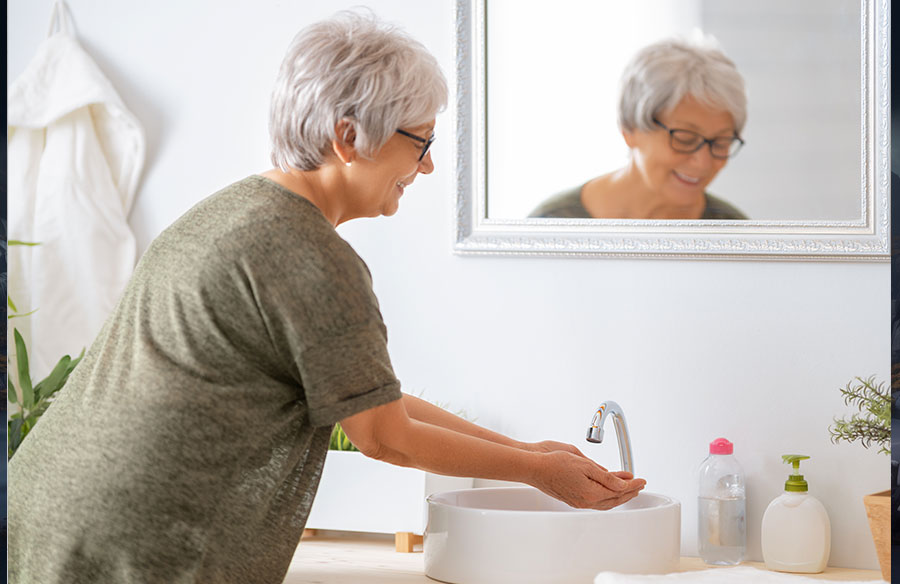
Creating a safer bathroom environment becomes increasingly important as we age or welcome elderly family members into our homes. Falls in bathrooms account for a significant portion of home accidents among seniors, but with thoughtful design choices, these spaces can maintain both dignity and independence whilst dramatically reducing risks.
Whether you’re caring for ageing parents, preparing for elderly guests, or future-proofing your own home, bathroom accessibility improvements offer peace of mind and practical benefits that extend far beyond immediate safety concerns.
Why Bathroom Safety Matters for Seniors
Bathrooms present unique challenges for older adults. Wet surfaces, hard fixtures, and confined spaces create a perfect storm of potential hazards. However, the right modifications can transform these spaces into confident, comfortable environments.
The key lies in understanding that accessibility doesn’t mean sacrificing style. Modern safety features blend seamlessly with contemporary design, creating bathrooms that feel welcoming rather than clinical.
Essential Safety Features Every Senior-Friendly Bathroom Needs
Strategic Grab Rail Placement
Properly positioned grab rails provide crucial stability points throughout the bathroom. Install horizontal rails beside toilets for sitting and standing support, and add both horizontal and vertical options within shower areas.
Choose rails rated for at least 25 stone and ensure professional installation into wall studs. Modern options come in attractive finishes that complement existing fixtures, moving far beyond the institutional appearance of older safety equipment.
Non-Slip Surface Solutions
Wet bathroom surfaces become hazardous quickly. Add textured strips inside baths and showers, ensuring they lie completely flat to avoid creating new tripping hazards. Quality bath mats with strong suction cups provide additional security.
For permanent solutions, consider anti-slip coating applications on existing tiles. This creates safer surfaces without requiring complete bathroom renovation.
Improved Lighting Systems
Adequate lighting prevents many bathroom accidents. Install bright, even illumination that eliminates shadows, particularly around the toilet, shower, and sink areas.
Motion-sensor lights offer hands-free operation, especially valuable for nighttime bathroom visits. Consider adding gentle nightlights that create safe pathways from bedrooms without harsh brightness.
Walk In Shower vs Walk In Bath: Making the Right Choice
Two transformative modifications can dramatically improve bathroom safety: walk in shower installations and walk in baths. Both eliminate dangerous stepping over traditional bathtub edges, but serve different needs and preferences.
Walk In Shower Benefits
Walk in shower installations remove barriers entirely, creating level or low-threshold access ideal for people using mobility aids. These systems typically feature built-in seating, adjustable hand-held shower heads, and spacious interiors.
The open design suits individuals who prefer quick, efficient bathing routines and those with significant mobility challenges. Maintenance remains straightforward, and installation costs generally run lower than walk in bath alternatives.
Walk In Bath Advantages
Walk in baths preserve the traditional soaking experience whilst dramatically improving safety. These units feature watertight doors for easy entry, built-in seating, and often include therapeutic jet systems.
Perfect for people who find warm water immersion helpful for arthritis, circulation issues, or general relaxation, walk in baths maintain the comfort of traditional bathing with enhanced accessibility.
Wet Room for Elderly: The Ultimate Accessibility Solution
A wet room for elderly users represents the pinnacle of bathroom accessibility. These open-plan spaces eliminate all barriers, providing completely level access throughout the entire area.
Wet rooms feature waterproof flooring and walls with drainage systems handling water from any direction. The design offers maximum flexibility for wheelchair users and provides ample space for carers when assistance is needed.
Professional installation remains essential, as proper waterproofing and drainage are critical for wet room success. However, the investment creates bathrooms that accommodate various mobility levels and adapt to changing needs over time.
Toilet Area Modifications for Better Access
Comfort Height Installations
Comfort height toilets sit 2-3 inches higher than standard models, reducing the effort required for sitting and standing. This seemingly small change makes significant differences for people with knee, hip, or back problems.
Supportive Seating Options
Raised toilet seats with armrests provide additional support during transfers. Some models clamp onto existing toilets, whilst others replace entire seat assemblies.
Freestanding toilet frames offer another solution, surrounding toilets with grab rails and armrests. These work particularly well in rental situations where permanent modifications aren’t possible.
Professional Installation Considerations
While some accessibility modifications like grab rails and raised toilet seats can be DIY projects, major changes require professional expertise. Walk in shower installations, walk in baths, and wet room conversions involve complex plumbing, waterproofing, and drainage work.
Choose contractors experienced in accessibility modifications. They understand building regulations, proper installation techniques, and can recommend optimal solutions for specific situations.
Making Your Investment Count
Bathroom accessibility improvements represent wise investments in safety, independence, and peace of mind. Whether implementing simple changes like improved lighting and grab rails, or major modifications like walk in shower installations or wet room conversions, these improvements create lasting value.
The goal isn’t just preventing accidents—it’s preserving dignity and confidence in essential daily activities. With thoughtful planning and appropriate modifications, bathrooms can remain comfortable, safe spaces throughout the ageing process, allowing elderly family members to maintain independence in familiar surroundings.