The landscape of commercial spaces has undergone a profound transformation over the years, influenced by economic shifts, technological advancements, and changing societal needs. Both rural and urban areas have seen their commercial infrastructure evolve, but the needs of businesses and the types of spaces they require vary greatly between these two settings. This article explores the evolution of commercial spaces, the impact of development trends in urban and rural environments, and how new construction methods, like the commercial pole barn, are reshaping commercial properties in both areas.
The Historical Development of Commercial Spaces
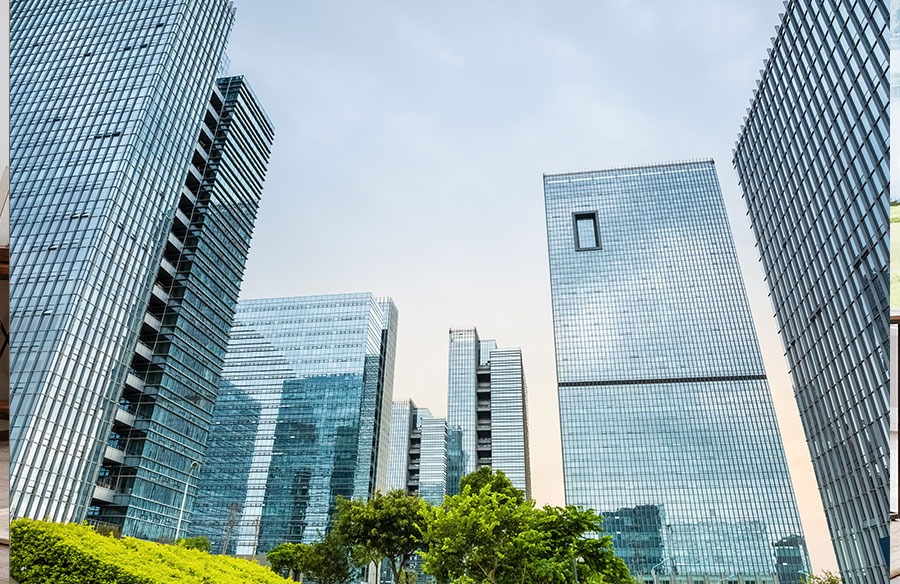
The journey of commercial spaces begins with a look back at their early development. In urban centers, the demand for office buildings, retail spaces, and public infrastructure skyrocketed as populations grew and industries flourished. Cities were the epicenters of commerce, drawing people in search of work, trade, and innovation. Skyscrapers, office towers, and shopping malls became the iconic symbols of modern commerce.
In contrast, rural commercial spaces were initially shaped by agricultural needs. Small businesses, storage facilities, and barns were built to support farming, livestock, and local trade. These buildings were often basic, with functionality taking precedence over design. The evolution in rural areas was largely driven by the need for buildings that could support agricultural economies.
However, over time, rural commercial spaces began to evolve. As industries expanded into less populated areas and small businesses grew, there was an increased demand for more specialized and durable structures that could serve diverse functions. It is here that the story of post-frame construction, including commercial pole barns, becomes relevant, as they represent a versatile solution for various commercial needs.
The Impact of Economic Shifts on Commercial Development
Economic changes have always been a driving force behind the development of commercial spaces. In urban areas, the rapid growth of industries and the rise of service-oriented economies have shaped the types of buildings that are constructed. Cities have become hubs for finance, technology, healthcare, and entertainment, which has led to the development of specialized buildings such as tech campuses, medical offices, and mixed-use complexes that combine residential, office, and retail spaces.
In rural areas, economic shifts have been influenced by the diversification of industries. Agriculture remains a dominant force in rural economies, but other sectors, such as manufacturing, distribution, and retail, have also begun to establish a foothold. This has spurred the construction of new commercial spaces designed to support these industries. For instance, warehouses, distribution centers, and specialized agricultural facilities have become essential in rural areas, where businesses need large, open spaces for operations.
As more businesses move to the suburbs and outlying areas, the line between urban and rural commercial spaces is blurring. What were once strictly urban developments are now spreading into suburban and even rural areas. Businesses are recognizing the advantages of setting up in less dense areas where costs are lower and land is more abundant, creating new opportunities for commercial development.
Modern Commercial Spaces in Urban Areas
Urban areas have always been at the forefront of commercial development, driven by population density and the demand for diverse business needs. In recent years, the trend has shifted towards mixed-use buildings that combine residential, retail, and office spaces. These developments cater to a growing demand for convenience, with businesses and living spaces coexisting in a single location.
Technology has played a significant role in transforming commercial spaces in urban environments. The rise of smart buildings, which integrate advanced technology to improve energy efficiency and provide better control over heating, cooling, and security, has been a key trend in modern urban commercial spaces. Businesses are also looking for spaces that can adapt to rapid changes in the workplace, such as flexible office spaces that can accommodate both remote and in-office workers.
The trend toward sustainable and environmentally friendly construction has also taken hold in urban areas. Green buildings, which incorporate eco-friendly materials and energy-efficient systems, are becoming increasingly popular. The push for sustainability in commercial spaces is not only driven by environmental concerns but also by the financial benefits that these spaces offer in the long run. This includes reduced energy costs, lower maintenance expenses, and greater appeal to environmentally-conscious consumers and businesses.
The Rise of Post-Frame Construction in Rural Areas
While urban areas are embracing modern technologies and sustainable design, rural areas have been slower to adopt these trends. However, there is a growing recognition that rural commercial spaces can benefit from more efficient, cost-effective construction methods. One such method is post-frame construction, which has become increasingly popular for rural businesses that require large, open spaces.
A commercial pole barn is an example of post-frame construction that offers several advantages for businesses in rural areas. These buildings are designed with large, open interiors, making them ideal for storage, warehouses, manufacturing facilities, and agricultural operations. The use of steel frames and posts as the primary support structure makes these buildings highly durable, able to withstand extreme weather conditions, and cost-effective to build.
For rural business owners, commercial pole barns provide flexibility and scalability. These buildings can be customized to meet the specific needs of the business, whether that involves adding more space for inventory, creating larger production areas, or installing specialized equipment. The straightforward construction process of pole barns also means that businesses can quickly set up shop and start operating, without the long wait times associated with more complex building methods.
Commercial Spaces Blurring the Lines: Transition Between Rural and Urban
As more businesses move to suburban and rural areas, the traditional boundaries between urban and rural commercial spaces are becoming less distinct. Suburban areas, once considered the middle ground between cities and rural areas, are now seeing a rise in mixed-use developments that combine the convenience of urban living with the advantages of lower costs and more space. These developments often include a mix of residential, office, and retail spaces, offering businesses the ability to operate in a less congested environment while still being close to major cities.
The growing trend of remote work has also played a role in this shift. Many businesses are now looking for locations that offer more space and lower operational costs, making rural and suburban areas an attractive option. In some cases, businesses that once operated in urban centers are relocating to these areas, where they can take advantage of more affordable real estate and better quality of life for employees.
This transition between rural and urban spaces is creating new opportunities for developers, businesses, and communities. As more businesses recognize the benefits of rural and suburban locations, there is a growing demand for commercial spaces that can meet the needs of modern businesses. This includes flexible office spaces, distribution centers, and agricultural facilities, as well as innovative building designs like commercial pole barns.
The Future of Commercial Spaces: Adapting to New Demands
Looking ahead, the future of commercial spaces will be shaped by several key trends. Sustainability, flexibility, and technology will continue to drive the evolution of commercial buildings. Businesses will increasingly seek spaces that can adapt to changing needs, whether that involves accommodating new technology, adjusting to shifting workforce dynamics, or responding to economic shifts.
For rural areas, the demand for cost-effective, flexible spaces will continue to rise. Commercial pole barns and other post-frame structures will remain a popular choice for businesses that need large, open spaces for storage, manufacturing, or other operations. These buildings will be integral in supporting the growth of industries in rural and suburban areas.
In urban areas, the focus will likely be on creating smart, sustainable buildings that can support the evolving needs of businesses. Mixed-use developments, green building initiatives, and the integration of technology will continue to redefine commercial spaces in cities.
Conclusion
The evolution of commercial spaces in rural and urban areas has been shaped by a variety of factors, from economic shifts to technological advancements. While urban areas continue to embrace innovation and sustainability, rural areas are increasingly adopting cost-effective, versatile construction methods like post-frame buildings to meet the needs of growing businesses. As the lines between rural and urban commercial spaces blur, businesses are finding new opportunities to thrive in both environments. The future of commercial spaces will be marked by flexibility, adaptability, and an ongoing commitment to sustainability.