What do you do when your sink gurgles instead of draining? If you are like most homeowners or business owners, you are likely to brush it off after this happens. However, putting off this minor issue can result in a full clog.
You may wonder, is drain snaking the solution to this problem? Here, we break down when and why drain snaking works best for drain cleaning in Rancho Cordova, CA.
Drain Snaking: What It’s Really For
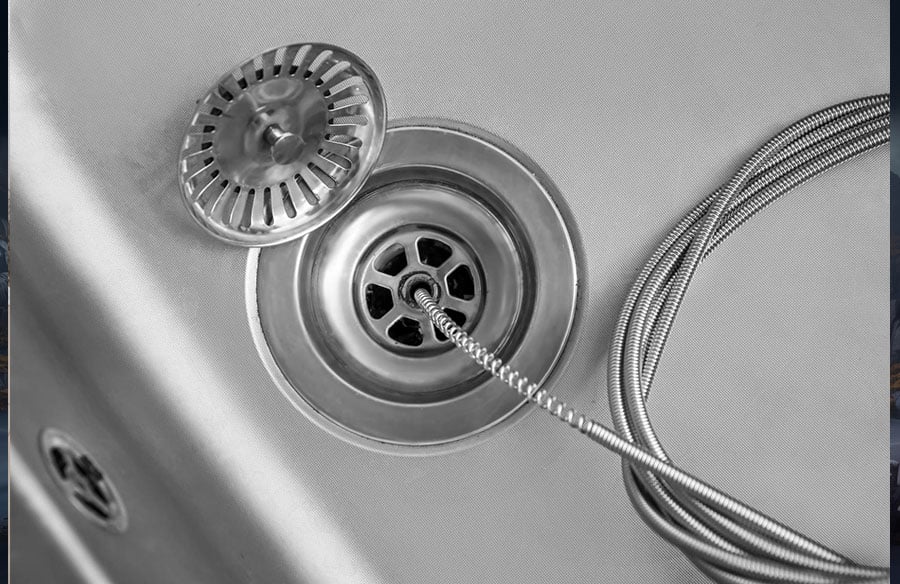
Known as an old yet reliable method for clearing clogs, drain snaking shines for removing hair buildup, food waste, or soap scum buildup. Compared to hydro jetting, it targets the blockage directly.
“Snaking is akin to surgery for your drains. It’s precise and controlled—perfect when you know exactly where the problem is,” says a licensed technician from drain cleaning services.
Know the Signs It’s Time to Snake
There’s no need for any rational homeowner to wait if there is something wrong with their drains. The earlier you act when there’s trouble, the more likely snaking can fix it before it escalates.
Common signs include:
- Slow-draining sinks, tubs, or showers
- Gurgling or bubbling sounds in the pipes
- Foul odors coming from drains
- Frequent clogging in the same fixture
Ideal Situations for Snaking
Drain snaking works best when the clog is in a single line and has yet to move into the main sewer. It’s especially useful for older homes or light commercial spaces where you want a low-impact solution.
Scenarios where snaking is ideal:
- Clearing hair clogs in bathroom sinks and showers
- Breaking up food or grease clumps in kitchen drains
- Dislodging debris in laundry or utility sinks
Different Types of Drain Snakes
Drain snakes come in different varieties. The right tool depends on the job. Unsure what tool works best for your specific situation? Consider that a sign to get in touch with a pro.
Types of drain snakes:
- Hand-crank snakes – Best for small, shallow clogs in household drains
- Electric-powered snakes – Stronger and used for deeper or tougher blockages
- Toilet augers – Designed specifically for toilet clogs
- Camera-equipped snakes – Used by professionals to inspect pipe interiors before or during snaking
Dealing with Layered Build-Up
Grease, soap, minerals, and grime can form thick layers on pipe walls. Snaking not only breaks up blockages but also scrapes away this buildup. It’s a gentle but effective way to refresh older plumbing.
“Drain snakes are great for restoring flow in old systems. Hydro jetting might damage them, but snaking scrubs without harming,” says a residential drain specialist.
What Happens During a Professional Snaking Service?
Knowing what to expect helps ease the stress from the snaking service. A pro will first assess the issue, choose the right tool, and carefully guide the snake through the drain. The goal is to locate, break up, and remove the clog without damaging the pipes.
Typical service steps:
- Inspect and identify the clog’s location
- Choose appropriate snaking equipment
- Feed and rotate the snake to break the blockage
- Flush and test the drain
Wet or Dry Drains: Which Is Better for Snaking?
The answer depends on what is causing the blockage. For example, when items like small toys find their way inside your pipes and cause a blockage, snaking the drain dry, followed by rinsing may work to get rid of the obstruction.
However, for food items that have turned to mush and have hardened, you may need to fill the drain with water slightly to soften the top of the clog before snaking.
These are just some examples of when to snake your drains wet or dry. For better results, be sure to work with a professional to have the source of the clog ascertained.
Is Your Drain Still Slow after Snaking? Here’s Why
One reason why your drain still runs slowly after snaking is the failure to penetrate through the entirety of the clog. Another thing to consider is the cause of the clog. Grease and soap buildup are notorious clog-causing elements, and removing them through snaking alone may prove ineffective.
In the former, the snake must penetrate through the end of the clog, followed by proper rinsing to ensure proper drainage. In the latter, the interior walls of the pipes require a thorough cleaning to get rid of grease or soap-induced clogs.
Drain snaking is a safe and practical solution that offers a targeted way to clear a clog. However, know that it takes experience to know when it should be used.
Don’t wait for a total backup—call a licensed drain specialist who can diagnose your issue and use the right tool for the job. When snaking is done right, your drains stay clear longer and your pipes stay intact.