Water damage ruins your home’s structural integrity and aesthetics, in addition to causing one other problem: mold growth. When mold starts to grow in your home, it creates the perfect conditions for it to take over the rest of your abode in as fast as 24 to 48 hours.
If you’ve had a leak, flood, or any water damage because of your plumbing in Glendale, AZ, knowing what to do next can save you thousands and protect your health.
First Things First: Stop the Water
Before anything else, you need to shut off the water source. This entails turning off the main valve, calling a plumber, or patching a roof leak. The longer water flows, the bigger the damage gets.
Even before disaster strikes, homeowners should know where their home’s main water shutoff valve is located. If your pipe bursts completely, shutting off water should be the first thing you do, followed by contacting a licensed plumber for assistance. In case roof damage is present, be sure to tarp the area while you wait for professional help.
How Do You Prevent Water Mold? Dry Everything ASAP
Time is your biggest enemy when it comes to mold, and the faster you get things dry, the better your chance of avoiding mold issues. Don’t forget to use fans, open windows, and dehumidifiers when facing a leak or flood damage.
Drying essentials:
- Use high-powered fans to move air.
- Rent or buy a dehumidifier and aim for indoor humidity below 50%.
- Remove soaked carpets, insulation, and baseboards that can’t be salvaged.
“Waiting for things to ‘air out’ is a poor decision that can cause irreversible damage. Mold grows while you wait,” says a plumbing repair expert.
Moisture Meters: Seeing What You Can’t
Water hides. It seeps behind drywall, under floors, and into crawl spaces—places you can’t inspect just by looking. That’s where moisture meters come in.
Moisture meter basics:
- A pinless moisture meter can do the trick for measuring moisture in drywall and hardwood.
- Look for readings above 16% in wood or above 1% in concrete. These indicate lingering moisture.
Don’t Forget the Crawl Space
Crawl spaces are often-ignored and often-overlooked mold magnets. As these areas are likely poorly ventilated, moisture will also be trapped here, making these areas high risk. Regular inspections are critical if your home has one.
To prevent ventilation issues and moisture buildup, install a vapor barrier over the soil. Homeowners should also make sure that vents are unobstructed and open, especially in the incoming summer months. Lastly, make it a habit to check for standing water after rainstorms or heavy plumbing use.
Black Mold: What It Looks Like and Why It Matters
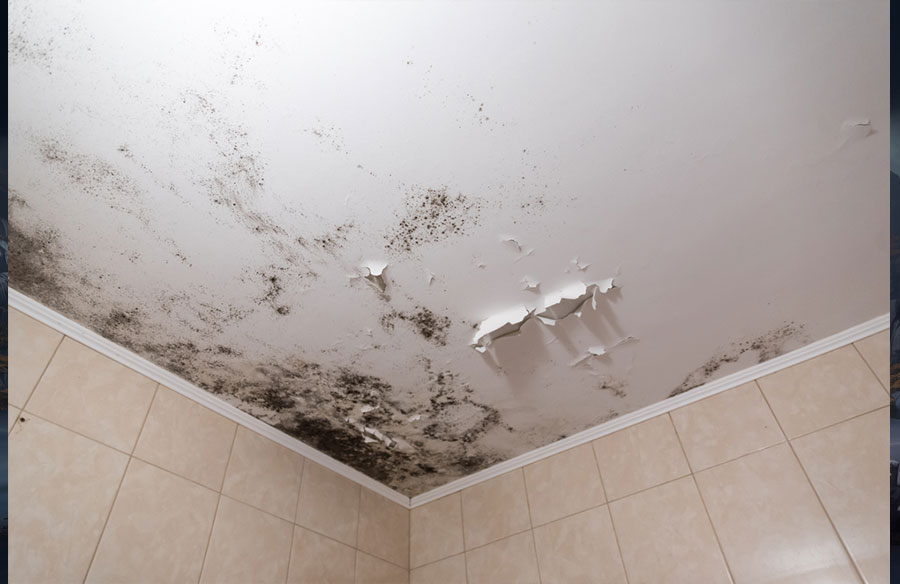
Aside from looking scary, black mold can also cause real health problems. If you don’t know what it looks like or if you are having a hard time verifying if it is present in your home, read on. It often appears as dark greenish-black splotches, especially in corners or near water-damaged drywall.
Common health effects:
- Allergy symptoms (sneezing, itchy eyes)
- Respiratory issues and chronic coughing
- Headaches and fatigue
Dehumidifiers: How to Use Them Correctly
Do you own a dehumidifier? If you do, know that most people don’t use their dehumidifiers efficiently. To prevent mold, humidity levels should stay between 30 to 50%. Placement and maintenance matter just as much as turning the machine on.
For smart dehumidifier usage, place the appliance near the source of the moisture. Laundry rooms and basements are potential candidates for this. Next, empty and clean the reservoir regularly to prevent mold inside the unit. Also, don’t forget to check the filter monthly and replace it as needed.
After a Roof Leak: Mold Moves Upward, Too
Roof leaks often cause attic mold, which can go unnoticed for months. If your ceiling gets wet, don’t wait for stains. Instead, check the attic. Fast response matters here as much as with indoor flooding.
What to do:
- Use a tarp to cover the damaged roof area immediately.
- Remove wet insulation and check wood rafters for moisture.
- Call a roofer and a mold specialist for a full inspection.
Mold Cleaning vs. Mold Remediation
Here’s where most people get confused. Mold removal is just surface-level cleaning. Mold remediation tackles the root cause and prevents future growth.
When to remediate:
- The mold covers an area larger than 10 square feet.
- It keeps coming back after cleaning.
- You’re dealing with HVAC systems, insulation, or drywall contamination.
Mold doesn’t just make your home look bad, it can make your family sick. And the longer you wait, the worse it gets. If you’ve had any kind of water leak, flood, or roof damage, don’t gamble. Call plumbing services or a mold remediation specialist as soon as water strikes.