

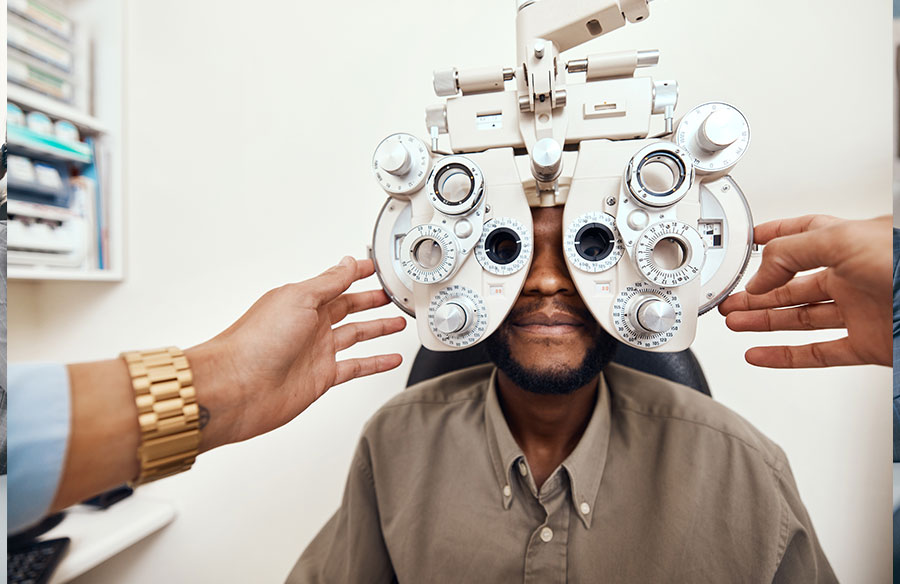
The first visit to an eye doctor is a checkpoint for how lifestyle and eye health work together. A well-done exam looks beyond whether someone needs glasses. It’s built to catch early signs of change before symptoms show up. If you’re a new patient, you’ll get the best experience if you what to expect.
A comprehensive exam identifies the kind of care a person will receive over the years. The right prep helps the visit go smoother. With it, the results are usually more accurate.
What the Exam Really Covers
A full eye exam looks at various factors. Doctors check for visual clarity and how well both eyes work as a team. Some steps may feel familiar. You may be asked to read off a wall chart. Others involve tools that measure pressure or take images of the retina.
The exam usually begins with questions. It is not just about vision but general health, medications, and any symptoms noticed lately. Even habits like screen time, driving patterns, or sleep schedules give helpful context.
The next phase focuses on testing:
- Refraction: Finds the exact lens strength needed for clear vision
- Binocular vision testing: Checks how eyes align and track together
- Pupil response and muscle movement: Looks for neurological signals
- Slit-lamp exam: Uses a specialized microscope to inspect the eyes’ front structures
- Intraocular pressure check: This checkup screens for glaucoma
- Retinal imaging: Examines the back of the eye for early disease
What Patients Should Bring
A provider who understands your history and other details about you, can plan out more tailored care. First-time patients should come with the right tools to make the visit count:
- A list of current medications. Include your eyedrops.
- Glasses and contact lenses currently in use
- Any previous prescriptions, if available
- Insurance information and ID
- Questions or concerns. Write them down to avoid forgetting during the visit.
Having this ready gives the optometrist a fuller picture, especially if the patient has seen other providers before.
Dilation Doesn’t Always Mean a Long Day
Dilation closely examines the retina, especially the peripheral areas. You will be given drops. During that time, light sensitivity and blurry near vision are common.
Some patients avoid dilation because of the inconvenience. However, newer practices often use retinal imaging to skip dilation for routine checks unless something needs a closer look. It’s worth asking about options ahead of time.
Expect a Conversation, Not Just Results
The best exams usually end with a conversation. A good provider explains what they saw, why is it important to follow their advice, and what comes next. That might mean updating lenses or discussing lifestyle shifts to prevent strain. It might also involve monitoring something that’s not a concern now but could be later.
For patients searching for an optometrist in Marietta GA, this kind of back-and-forth sets the tone for a care relationship—not just a one-time visit.
Follow-Up Is Normal
Sometimes, an eye exam raises questions that need a second look. That could mean a recheck in a few months. Don’t stress about these follow ups. They’re how modern practices stay ahead of problems instead of reacting to them.
It’s also common for children or patients with chronic conditions to be asked back for progress checks. That ongoing attention often catches issues early before they cause disruption.
A Routine That Builds Over Time
A first visit is only the start. Keeping regular exams builds a baseline for tracking changes. That history helps the provider detect patterns. With it, they can also adjust care plans and support long-term vision goals.







