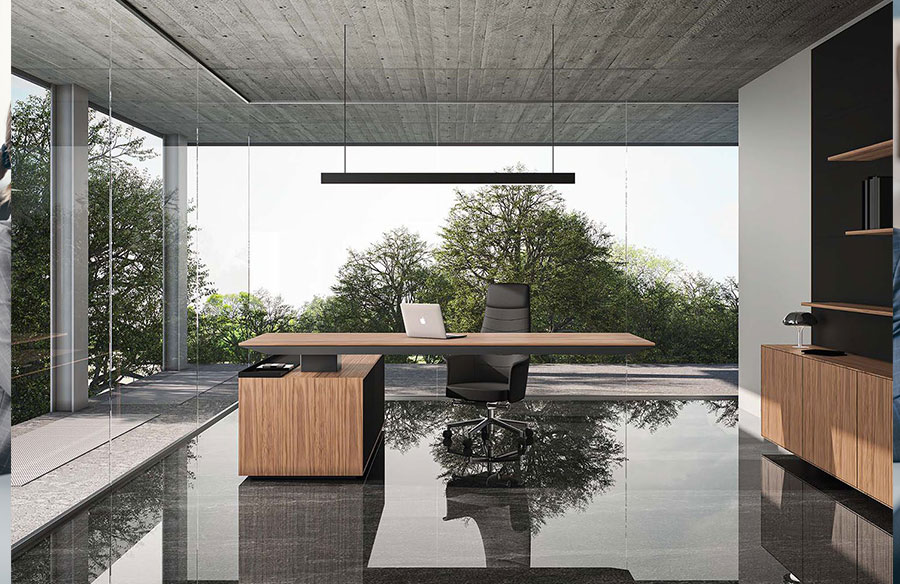
Keynote Summary
- Through careful planning of workspaces, the architectural and interior design sectors in the UAE are coming together more and more.
- No longer just a backdrop, office furniture affects how business spaces work, flow, and look.
- In places like Dubai and Abu Dhabi, new furniture designs reflect the city’s architectural goals.
- This change is not simply a change in style; it also shows a change in how people think about workspaces in terms of culture and economy.
- Local furniture makers are making this transition happen by making furniture that is customized, high-tech, and space-efficient.
When Furniture Becomes Architecture
In the past, furniture was the last thing to be added, after the walls and flooring were up. That hierarchy has changed in the UAE today. Architects and designers are increasingly thinking about office furniture before they even start building. The reason furniture has a direct effect on how a space feels. A modular desk or acoustically tuned pod that fits nicely doesn’t merely fill a room; it defines it.
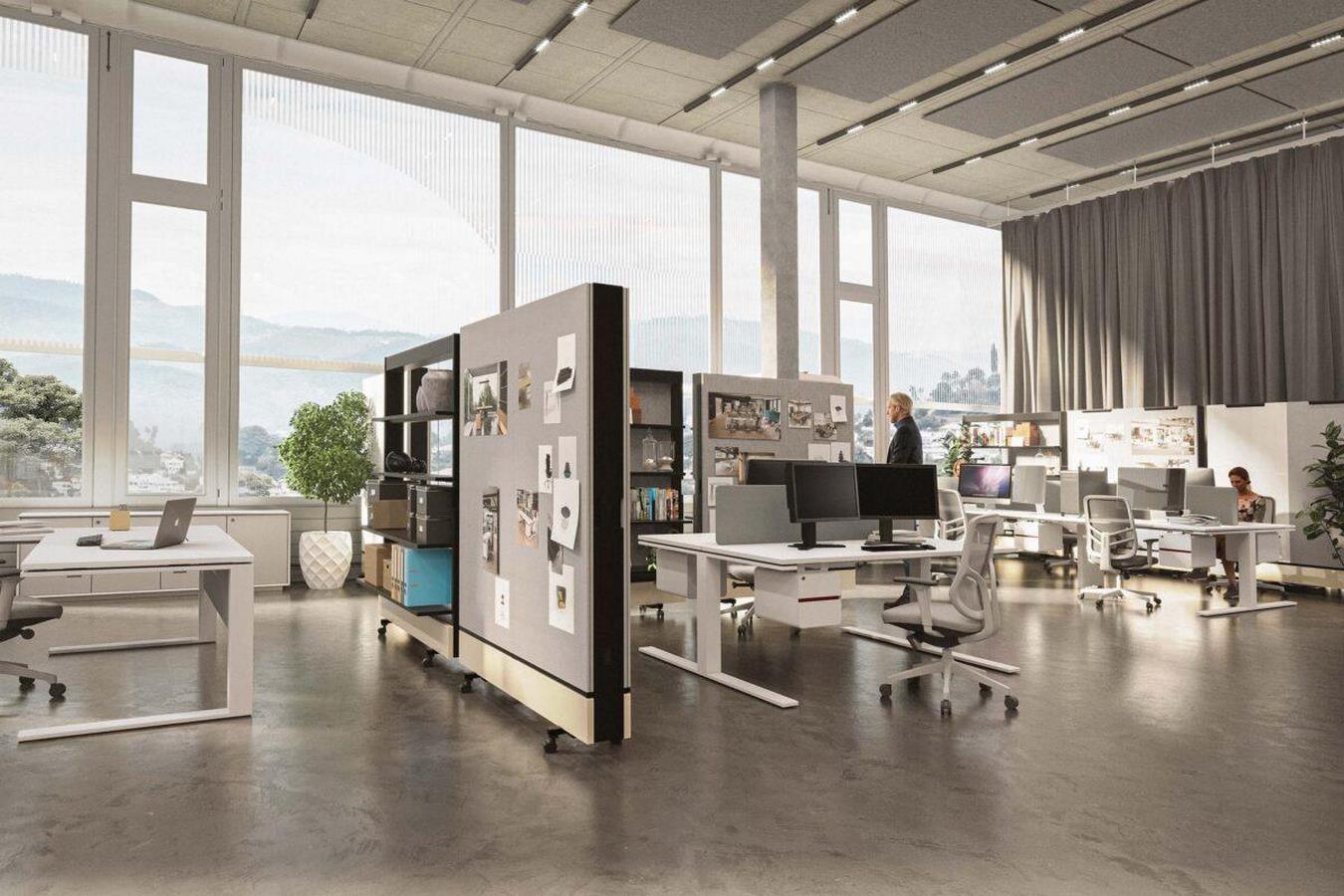 This interaction is quite important for architects who are constructing offices in places with a lot of people, like Dubai’s Business Bay or Abu Dhabi’s Al Maryah Island. The way workstations, lounge furniture, or collaboration tables are arranged and how easily they can be moved can either support or go against the building’s intended purpose.
The UAE’s Architecture Fits with Agile Workstyles
The UAE is known for its distinctive architecture. The towers seem like sculptures, and the insides are full of luxury. But there is a subtle friction beneath the surface: how to combine design and function, especially as workplaces move quickly toward hybrid and flexible work arrangements.
Height-adjustable workstations, phone booths, acoustic pods, and modular furniture are all becoming more popular. These are more than simply ergonomic tools; they can affect the way things are arranged in space. They let architects keep open-plan transparency while making sure that people are comfortable and productive by responding to their demands and cutting down on noise and distractions.
Furniture is increasingly being utilized to divide off rooms, provide the illusion of solitude in transparent spaces, and make the line between fixed and flowing design less clear. That implies that every conference table, workstation for a manager, or collaboration pod is now part of the story of the design.
Recommended read The Role of Furniture and Décor in Interior Aesthetics
From Local Insights to Global Design Standards
The UAE market is affected by worldwide design trends, but the opposite is also true. New local office furniture manufacturers are coming up with ideas that are distinctive to their areas. Companies are making collections that take into account the weather, work culture, and architectural styles present in the Emirates.
For example, furniture has to be able to handle a lot of use and high expectations, especially in locations like Dubai where good design is expected. Also, solutions for space efficiency, tech integration, and sustainability are becoming very important parts of the office planning brief.
Furniture makers based in the UAE, like Urban 411 office furniture who know how to deal with the limited space or the changing scenery to add contextual knowledge to their designs.
 The Quiet Change of Office Pods and Booths
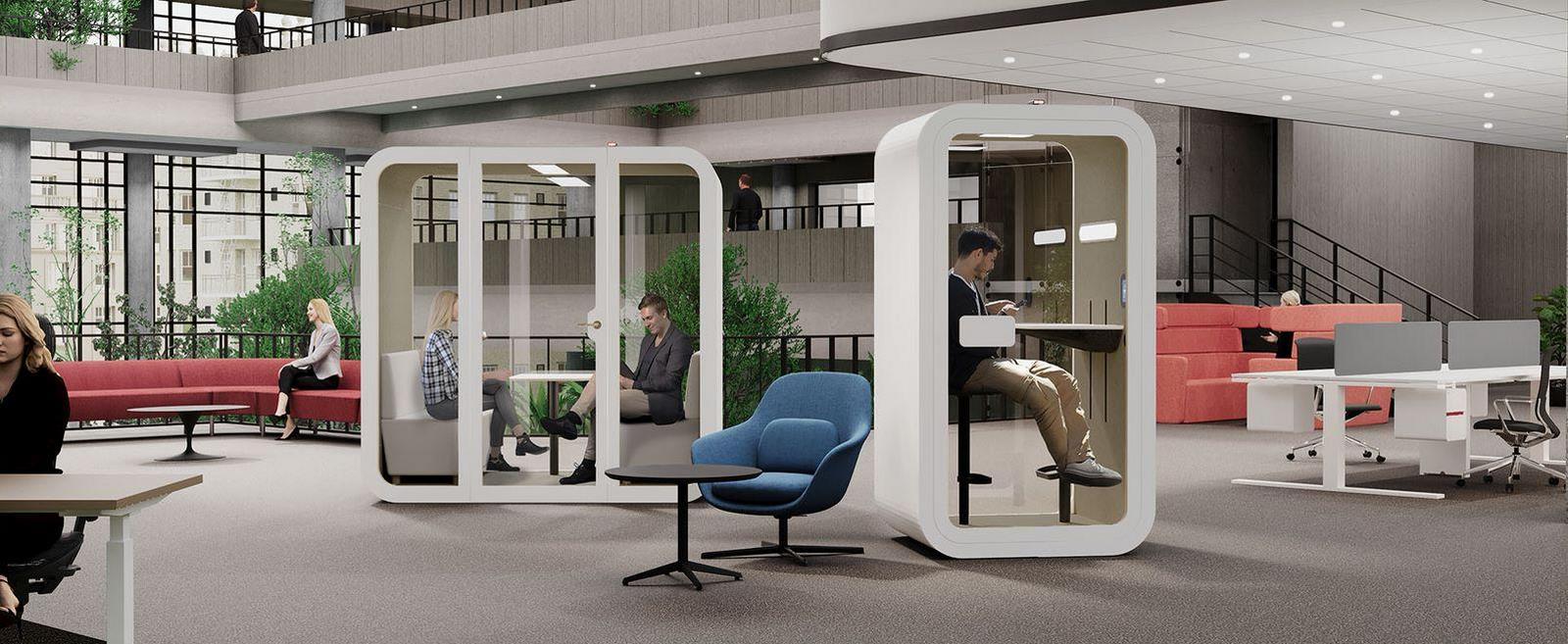
Office pods and phone booths are two of the most important new ideas that have quietly changed the way people work in the UAE. As design moves toward transparency with things like glass walls, atriums, and open ceilings, the desire for private yet linked places has risen.
These pods, which are generally elegant and designed to sound good, are like mini-architecture inside bigger architectural spaces. Architects often see them as moveable microstructures that fit with LEED or WELL aims.
They let designers add features without having to build anything permanently, which means they can improve workplace layouts without having to redo floor plans. This solution is especially popular in co-working spaces, government centers, and creative studios in the UAE, where elegance and flexibility go hand in hand.
Making an Identity with Furniture
Furniture isn’t just for looks; it’s also for communicating a story about a business. The way a CEO’s desk is set up or the way people sit together in a breakout area says a lot about the organization. In Abu Dhabi, where government buildings show power and history, furniture and materials tend to be simple yet elegant.
At the same time, Dubai’s startups and innovation hubs look for statement items like ergonomic chairs in bright hues, lounge seating that seems like it was made by nature, or workstations with built-in charging connections and concealed cable tech.
When furniture matches the architecture and branding, the room fulfills its function. That’s where companies that work closely with designers and project teams really shine: they turn ideas into reality, from sketch to showroom.
 The Future of Office Furniture in UAE Architecture
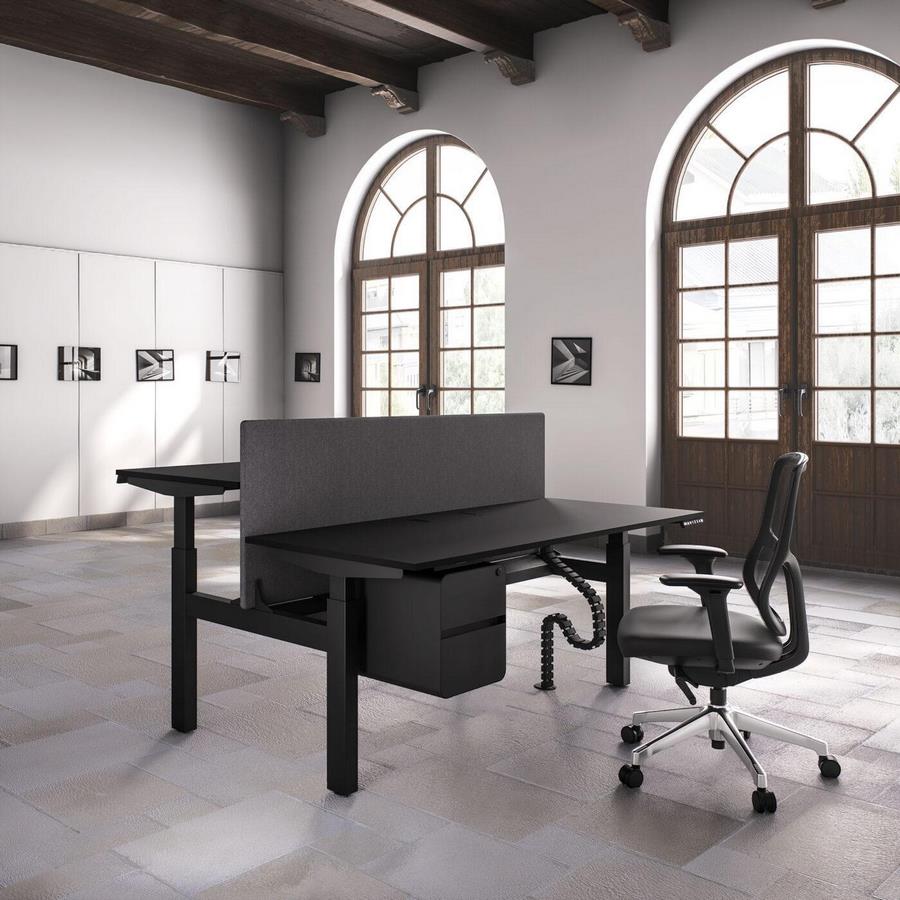
In the future, health, sustainability, and flexibility will still be important. Architects will keep mixing up furniture and constructed form by using workstations, pods, and chairs as movable walls, navigation tools, and wellness tools.
There will be increasing demand for biophilic furniture, workstations that can be changed, and planning tools that use AR. Suppliers in the UAE who come up with new ideas in these areas will change the way workplaces are designed in the future.
And as the UAE keeps putting money into free zones and smart city infrastructure, the need for workplace furniture that is both smart and inspiring will only rise.
Final Takeaways
- Office furniture is changing architecture in real time, not merely responding to it.
- More and more, architects in the UAE think about furniture when they design from the outset.
- New ideas like pods and modular workstations are making it possible to have smarter, more flexible layouts.
- In the Gulf’s competitive design scene, furniture is a way to show off your brand, culture, and environment.
- The future of workspaces in the UAE will depend on how architecture and furniture design function together.