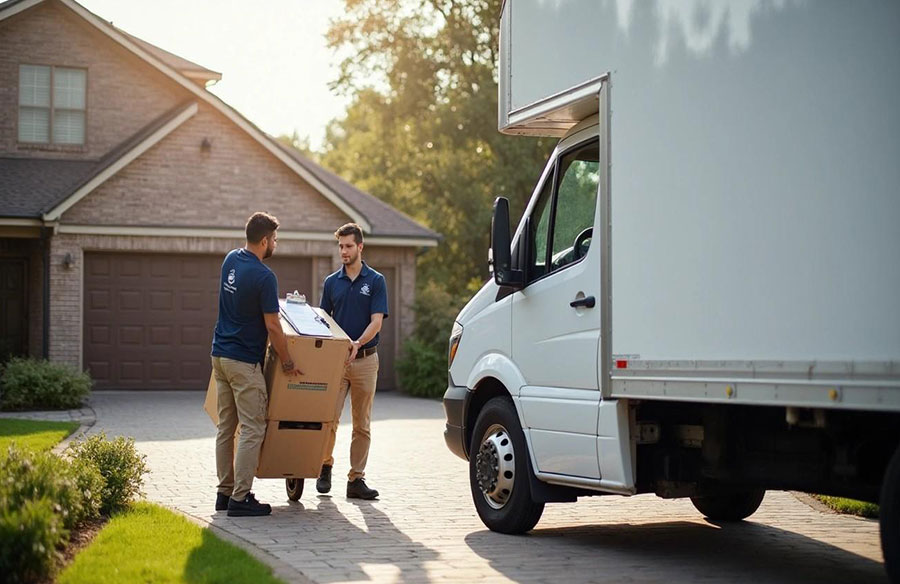
The moving industry in the United States includes around 7,000 companies operating out of nearly 14,000 locations. However, not every company is trustworthy. To avoid falling victim to scams, it is important to recognize what makes a moving company legitimate.
The good news is that reputable moving companies follow clear and consistent standards. For example, they are required to have a license from the Federal Motor Carrier Safety Administration (FMCSA). They should also offer free in-home estimates, carry proper insurance, and provide reliable customer service.
In this guide, you will learn how to verify a moving company’s credentials and recognize common red flags. We’ll also walk you through the right questions to ask before placing your trust in any mover. With this information, you can protect yourself and ensure a smooth, stress-free moving experience.
Understand What Makes a Moving Company Legit
Before you hire anyone to handle your move, it’s important to know what separates reliable professionals from unqualified or dishonest operators. The moving industry has clear standards in place, and understanding these can help you make informed decisions.
A legitimate company will meet specific legal and safety requirements, all designed to protect you and your belongings. Knowing what to look for puts you in control and helps ensure your move starts off on the right foot.
Licensing and registration basics
Moving companies must get the right licenses before they can legally transport your possessions. Interstate movers who cross state lines must register with the Federal Motor Carrier Safety Administration (FMCSA) and receive a USDOT number.
State-specific regulations apply to intrastate movers who operate within a single state. These regulations vary across the country. Some states require local movers to get both a USDOT number and state licensing.
What is a USDOT number?
The United States Department of Transportation issues a unique identifier called the USDOT number. This number is a vital tracking mechanism that monitors commercial vehicles and their safety records. Every moving truck that crosses state lines must display this number by law. The USDOT number lets you verify important details about the company:
- Their physical address and contact information
- Their operating history
- Their safety rating
- Their insurance compliance
- The type of authority they hold (carrier, broker, etc.)
Why FMCSA certification matters
The Federal Motor Carrier Safety Administration, part of the U.S. Department of Transportation, oversees more than 5,000 interstate household goods carriers and brokers. We protect consumers through this oversight. FMCSA maintains a database of registered movers and tracks customer complaints. This helps you research a company before hiring them.
FMCSA certification means moving companies follow federal safety regulations, carry proper insurance, and maintain ethical business practices. Companies that move between states without this certification operate illegally – stay away from them. Plus, FMCSA-certified movers must give customers important materials that outline their rights and responsibilities during the move.
Look for Red Flags Before You Commit
Not all moving companies operate with the same level of professionalism or honesty. Some warning signs can help you identify which ones to avoid. Paying attention to these early indicators can save you time, money, and unnecessary stress. Being informed puts you in a stronger position to choose a mover that values transparency and reliability.
No in-home estimate offered
A moving company’s refusal to provide an in-home estimate should raise red flags. Companies that only give quotes over the phone or online are not following proper procedures. Legitimate movers must see your belongings in person to give accurate pricing.
The FMCSA reports that quotes without inspection often result in price disputes. Professional companies will give you written estimates after checking your items, not just verbal promises. Companies that skip this vital step might be planning to add hidden charges later.
Charges based on cubic feet
Watch out for movers who calculate prices using cubic feet instead of weight. Professional moving companies base their costs on weight, especially for long-distance moves. Pricing by cubic feet lets dishonest movers inflate space measurements and claim your items need more room than they actually do. You might end up paying substantially more than your original quote.
Unbranded trucks or vague company names
There’s another reason to be cautious – movers showing up in rental trucks without company logos or proper ID. Professional moving companies use branded vehicles that display their name clearly. Be wary if they answer calls with generic phrases like “Movers” or “Moving Company” rather than their business name. These unclear identifiers make tracking down the company difficult if issues come up later.
Large upfront deposits requested
The biggest warning sign is a demand for substantial upfront payment. Professional moving companies rarely ask for large deposits – usually no more than 20% of the estimated cost. On top of that, it’s standard practice to pay upon delivery, not before the move starts. A company that demands cash payments or big deposits upfront might just take your money and vanish.
Verify the Company’s Reputation and Credentials
Before committing to a moving company, it helps to explore how they operate and how others have experienced their service. A little research can reveal valuable insights into their reliability, professionalism, and consistency. Taking time to check their background builds confidence and helps you avoid unpleasant surprises later on.
Check third-party reviews and ratings
Review platforms are a great way to get real feedback about how companies perform. Here’s what to look for when researching movers:
- Read detailed customer experiences beyond just star ratings
- Focus on reviews that talk about timing, care of belongings, and clear pricing
- Look at Google, Yelp, and Trustpilot to get a complete picture
- See how they handle negative feedback
The newest reviews show you the best picture of their current service quality. Don’t focus on one-off incidents – look for patterns in the feedback instead. Companies with hundreds of good reviews over several years usually prove reliable.
Search the Better Business Bureau (BBB)
The Better Business Bureau gives you lots of useful information about moving companies. Here’s how to use the BBB effectively:
- Go to and type in the moving company’s name
- Look at their grade (A+ to F) that shows BBB’s trust in the business
- Check if they’re accredited – these businesses follow BBB’s standards
- Look at their complaint history and how they fixed issues
BBB ratings depend on how businesses handle customer problems. You’ll see if they fixed issues properly or just ignored them.
The company’s history with government actions or licensing problems matters a lot. Good moving companies keep clear records with regulators and fix complaints quickly. A company that works hard to resolve problems shows real professionalism.
Check multiple sources before you make your final choice. This helps ensure you’re picking a well-vetted, trustworthy moving company for your belongings.
Explore Helpful Tools and Local Moving Support
Planning a move involves more than just packing boxes and booking a truck. The right resources and guidance can make a huge difference in how smoothly things go. Having a few practical tools at your disposal and knowing where to turn for support can help you make better choices and avoid unnecessary stress.
Take a moving quiz to see if you’re ready to go solo
Moving by yourself might seem budget-friendly at first, but several hidden factors can affect this decision. A moving readiness quiz helps you honestly assess your situation by looking at:
- Your belongings’ volume and weight
- Knowing how to lift heavy items
- Your access to proper equipment and packing materials
- Your experience with loading techniques
- Knowing how to drive a large truck
- Your move’s distance
- Time and help available to you
A full picture stops you from underestimating your move’s complexity. Self-moving looks cheaper on paper but often leads to surprise costs, physical strain, and logistical challenges that professional movers help you avoid.
Benefits of working with trusted local Atlanta movers
Local moving companies have clear advantages over national chains. They know the area inside out, including the best routes, local rules, and traffic patterns. This expertise leads to a smooth and quick move. Experienced Atlanta movers, such as Zip Moving & Storage, understand the logistics unique to the region and help avoid unnecessary delays or confusion on moving day.
Local movers are a great way to get personalized service compared to national chains. While big corporations handle thousands of moves, neighborhood moving companies adapt their approach to your needs. Research shows 84% of local moves happen within the immediate area, making local movers especially good at these moves.
Working with local movers usually means:
- Better prices with lower overhead costs
- More accountability since they rely on community word-of-mouth
- All equipment and supplies included in your quote
- Direct talks with people who know your move
- Support for your local economy and jobs
- Less stress when professionals handle logistics
Local professionals change moving from an exhausting ordeal into something you can handle easily. This lets you focus on settling into your new home.
Ask the Right Questions Before Hiring
Before choosing a moving company, it is important to have a clear understanding of what they provide and how they operate. Asking the right questions can reveal how prepared they are to handle your move and how transparent they are about their services. These conversations help set expectations early and reduce the chance of confusion later on. The more you ask now, the fewer surprises you’ll face during the process.
What insurance coverage do you offer?
Federal regulations require all reputable moving companies to offer two types of liability coverage. Full Value Protection means the mover will pay the replacement value of lost or damaged goods in your whole shipment.
Released Value Protection comes at no extra cost but covers only up to 60 cents per pound per article. You should ask about additional insurance options for valuable items like artwork or antiques, or check your homeowner’s policy coverage.
How are costs and fees structured?
The company should explain their moving cost calculations clearly—whether by hour, weight, volume, or flat rate. Most legitimate movers use weight-based pricing for long-distance moves. You need to know about possible extra charges for stairs, elevators, long carries, or packing materials.
A detailed written estimate should outline all costs. Companies that demand large deposits or stay vague about pricing should raise red flags, since transparent pricing is a vital part of budgeting and trust.
What is your cancelation policy?
Sometimes moves don’t go as planned. Each company handles cancelations differently. Some companies charge fees for last-minute changes, while others let you cancel without penalty up to two weeks ahead. The cancelation policy and contact information should be in writing.
Do you offer packing or storage services?
Professional movers often provide services beyond transportation. Their packing services can reduce stress and save time, though they cost extra. Storage solutions become especially valuable when you have a gap between moving out and in. Custom crating services protect fragile or specialty items better.
Conclusion
Choosing the right moving company is one of the most important steps in ensuring your relocation goes smoothly and safely. With so many providers out there, it’s easy to feel overwhelmed—but the signs of a legitimate, reliable mover are always clear to those who know what to look for. Taking time to verify credentials, ask the right questions, and recognize red flags will give you confidence and peace of mind.
A well-informed decision not only protects your belongings but also reduces stress during what can be a hectic time. Use the resources available, stay alert to potential scams, and trust companies that follow clear industry standards. With the right preparation and support, your move can be efficient, safe, and even enjoyable.