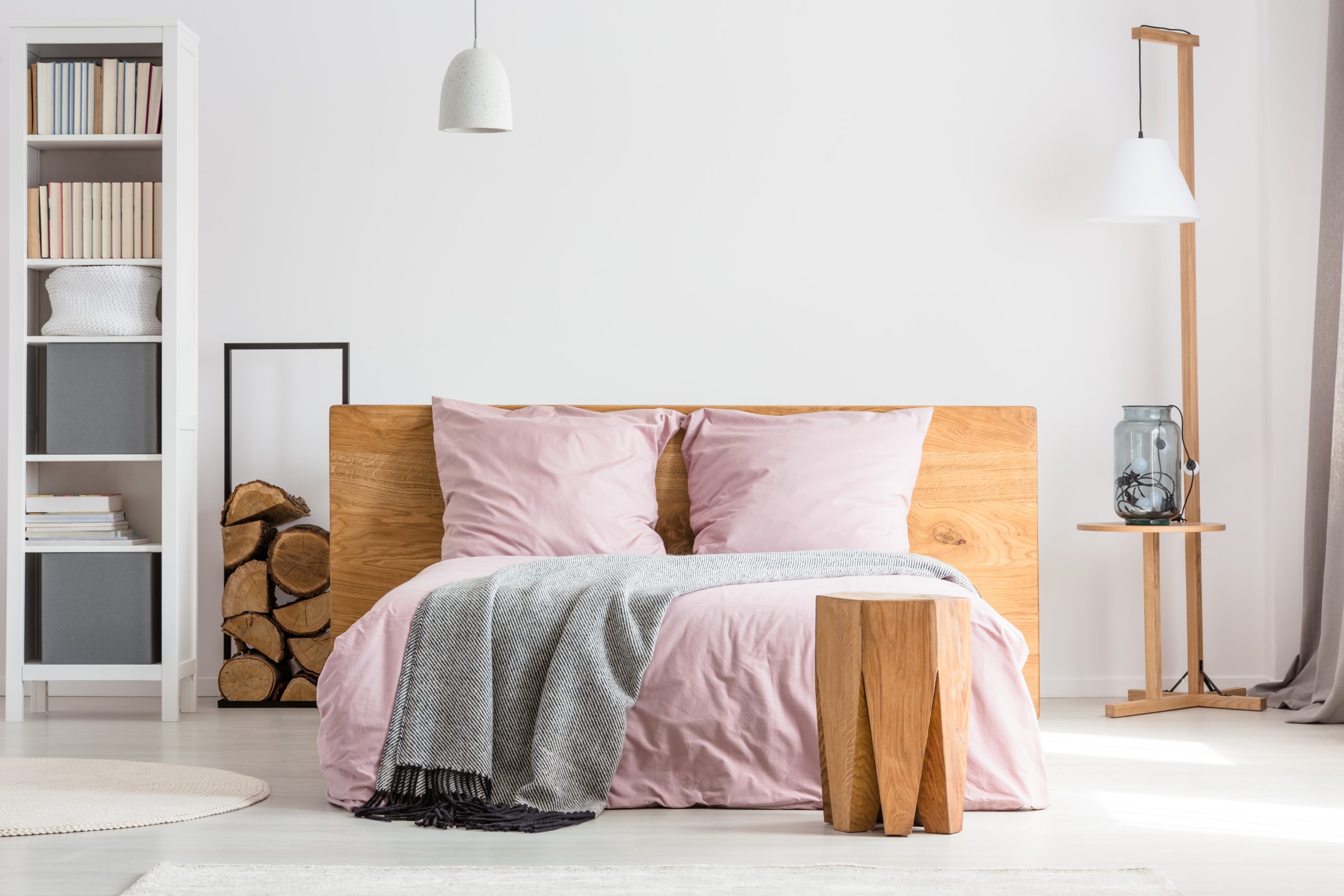
Interior design is more than just aesthetics—it’s about creating spaces that evoke emotion, functionality, and, most importantly, comfort. Among the many elements that contribute to a well-designed bedroom, soft bedding stands out as a cornerstone of relaxation and style. From plush duvets to silky sheets, the textiles we choose for our beds play a crucial role in defining both the look and feel of a space.
In this article, we’ll explore why soft bedding is essential in interior design, how it influences our well-being, and the ways it can elevate the overall ambiance of a room. We’ll also touch on the importance of selecting the right materials, such as a soft duvet cover, to enhance both comfort and visual appeal.
The Psychology of Soft Bedding
Humans have an innate attraction to soft textures. From the moment we’re born, we seek comfort in plush fabrics, associating them with warmth and security. This psychological connection carries into adulthood, making soft bedding a non-negotiable feature in bedroom design.
Studies have shown that tactile sensations influence mood and stress levels. A bed dressed in luxurious, soft fabrics can signal to the brain that it’s time to unwind, promoting deeper sleep and relaxation. This is why designers often prioritize high-quality bedding—it’s not just about looks; it’s about creating a sanctuary that supports mental and physical well-being.
The Aesthetic Impact of Soft Bedding
Beyond comfort, bedding plays a pivotal role in a room’s visual harmony. The right textures can add depth, contrast, and sophistication to a space. Here’s how soft bedding enhances interior design:
1. Layering for Visual Interest
A well-made bed is a work of art. Designers often use layers of different textures—such as a soft duvet cover, knitted throws, and velvet pillows—to create dimension. The interplay between smooth and textured fabrics adds richness, making the bed the focal point of the room.
2. Color and Material Coordination
Soft bedding comes in a variety of colors and fabrics, allowing for endless customization. Whether you prefer crisp linen, breathable cotton, or opulent silk, the right material can complement your room’s color scheme and style. Neutral-toned bedding offers timeless elegance, while bold hues can inject personality into minimalist spaces.
3. Creating a Luxurious Atmosphere
There’s a reason high-end hotels invest in premium bedding—it instantly elevates the guest experience. A soft duvet cover paired with high-thread-count sheets conveys luxury, making even the simplest bedroom feel like a five-star retreat.
Choosing the Right Materials for Ultimate Comfort
Not all bedding is created equal. The key to achieving both comfort and durability lies in selecting the right fabrics. Here are some top choices for soft bedding:
1. Egyptian Cotton
Known for its long fibers, Egyptian cotton is incredibly soft and durable. It’s breathable, making it ideal for year-round use, and becomes even softer with each wash.
2. Bamboo-Derived Fabrics
Bamboo-based textiles are celebrated for their silky feel and moisture-wicking properties. They’re perfect for those who sleep hot but still want the plushness of a soft duvet cover.
3. Linen
While linen has a slightly textured feel, it softens over time and offers excellent breathability. Its relaxed, lived-in look is perfect for rustic or coastal-themed bedrooms.
4. Microfiber
For a budget-friendly yet ultra-soft option, microfiber is a great choice. It’s lightweight, hypoallergenic, and mimics the feel of more expensive materials.
The Role of Bedding in Sleep Quality
A good night’s sleep is priceless, and the right bedding can make all the difference. Rough or low-quality fabrics can cause irritation, leading to restless nights. On the other hand, soft, breathable materials regulate body temperature and reduce friction, allowing for uninterrupted sleep.
Investing in high-quality bedding isn’t just about aesthetics—it’s a commitment to better health. Studies link poor sleep to increased stress, weakened immunity, and even weight gain. By choosing bedding that prioritizes comfort, you’re investing in long-term well-being.
How to Style Soft Bedding for Maximum Impact
Now that we’ve established why soft bedding matters, let’s discuss how to incorporate it seamlessly into your bedroom design:
1. Mix Textures Thoughtfully
Pair a smooth soft duvet cover with a chunky knit blanket or faux fur throw for contrast. The combination of different textures adds warmth and visual intrigue.
2. Play with Proportions
Oversized pillows and a fluffy duvet create a cloud-like effect, making the bed irresistibly inviting. Just ensure the proportions align with your room’s size to avoid overcrowding.
3. Keep It Cohesive
While mixing textures is encouraged, sticking to a cohesive color palette ensures a polished look. Soft neutrals like ivory, taupe, and pale gray are versatile and timeless.
Conclusion: Soft Bedding as a Design Essential
In the world of interior design, comfort should never be an afterthought. Soft bedding is more than just a functional necessity—it’s a design element that enhances aesthetics, promotes relaxation, and improves sleep quality. Whether you opt for a breathable linen set or a sumptuous soft duvet cover, the right bedding transforms a bedroom into a personal retreat.
By prioritizing both style and comfort, you create a space that’s not only beautiful but also deeply restorative. After all, great design isn’t just about what meets the eye—it’s about how a space makes you feel. And with the right soft bedding, every night can feel like a luxurious escape.