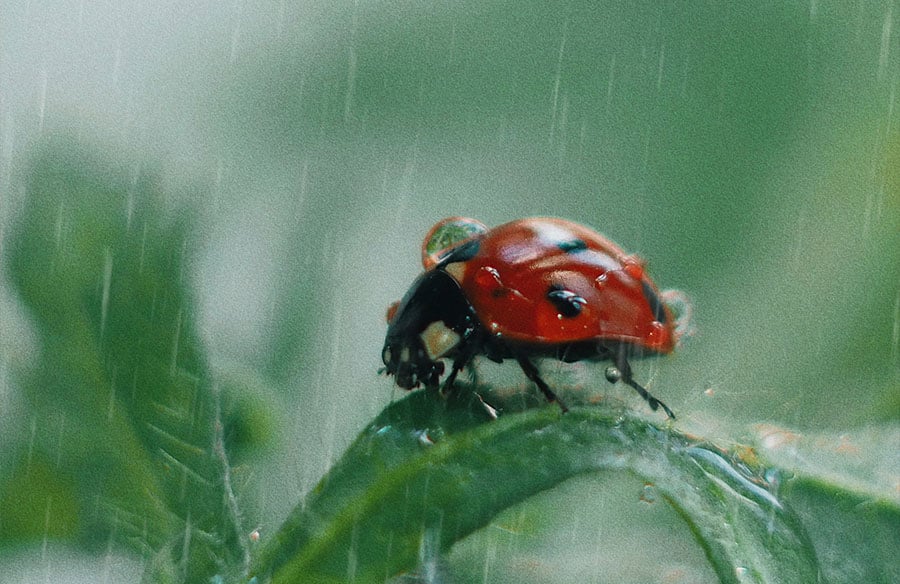
Weather is one of the most powerful forces shaping our environment—but it doesn’t just influence how we live; it also controls the behavior of the pests that share our urban spaces. From temperature swings to heavy rainfall, weather events play a critical role in pest population surges, migration patterns, and infestation risks.
For city dwellers, understanding how weather impacts pest activity isn’t just fascinating—it’s practical knowledge that can help you prevent unwelcome infestations before they start.
Why Urban Areas Are a Hotspot for Weather-Driven Pest Activity?
Urban environments offer everything pests need to thrive: warmth, food, shelter, and moisture. Concrete landscapes absorb and retain heat, sewer systems provide year-round warmth and access to water, and human activity constantly generates waste that attracts pests.
When weather patterns change, pests in urban areas respond rapidly. Unlike in rural areas, where natural predators and open spaces keep populations in check, cities create ideal conditions for pest survival and rapid reproduction.
1. Rising Temperatures and Increased Pest Populations
As global temperatures rise, pests like mosquitoes, cockroaches, and rodents thrive in urban settings. Warmer weather accelerates insect breeding cycles, allowing populations to multiply faster.
- Mosquitoes: Warmer weather shortens their development cycle, leading to more generations per season. Stagnant water sources and poor drainage in cities accelerate this growth.
- Cockroaches: These pests love the heat. High temperatures increase their breeding and push them indoors in search of cooler, damp environments.
- Rodents: Mild winters and longer warm seasons mean rodents can breed year-round, leading to more frequent infestations in urban neighborhoods.
2. Cold Snaps and the Rush for Indoor Shelter
When sudden cold snaps hit, pests quickly seek warmth indoors.
- Rodents invade basements, attics, and wall voids.
- Insects like spiders, ants, and cockroaches move into homes, searching for survival-friendly environments.
- Poorly sealed buildings become easy targets during these temperature drops.
3. Heavy Rainfall and Flooding: Driving Pests Indoors
Flooding displaces pests from their nests and drives them into homes and commercial buildings.
- Ants and Cockroaches: Flooded nests send these pests scurrying indoors.
- Rodents: Flooded sewer systems push rats into surface streets and nearby structures.
- Mosquitoes: Standing water left behind after storms creates ideal mosquito breeding grounds.
4. High Humidity Encourages Pest Breeding
Humid environments are perfect for pests to reproduce rapidly.
- Termites and Silverfish: Thrive in damp environments created by high humidity and poor ventilation.
- Cockroaches: Multiply faster in warm, humid conditions, particularly in kitchens and bathrooms.
- Mosquitoes: High humidity increases their lifespan and boosts egg production.
5. The Search for Water Sources During Droughts
During droughts, pests head indoors in search of moisture.
- Rodents and Cockroaches: Seek leaky pipes, condensation from air conditioners, and pet water bowls.
- Ants: Aggressively search for water inside homes, especially in kitchens and bathrooms.
6. Landscape Changes During Droughts
Weakened plants in drought conditions attract pests like aphids, whiteflies, and spider mites, pushing pest activity closer to residential areas.
7. Spring: The Great Awakening
As temperatures rise, dormant pests emerge and begin breeding.
- Ants: Begin foraging aggressively.
- Mosquitoes: Start breeding in leftover standing water.
- Termites: Spring swarms start new colonies, posing significant structural risks.
8. Summer: Peak Pest Season
Heat and humidity lead to explosive pest activity.
- Mosquitoes and Flies: Reach peak breeding activity.
- Cockroaches and Rodents: Seek cooler indoor spaces to escape the heat.
- Bed Bugs: Increased travel during vacations spreads bed bug infestations.
9. Fall: Preparation for Overwintering
As temperatures cool, pests look for indoor shelter.
- Rodents: Search for nesting sites indoors.
- Spiders: Become more visible as they seek mates and warmer spaces.
- Stink Bugs and Boxelder Bugs: Enter homes to find warmth before winter.
10. Winter: Hidden but Active Indoors
While outdoor activity slows, pests remain active inside heated urban buildings.
- Rodents: Continue breeding indoors.
- Cockroaches and Silverfish: Thrive in warm, humid environments like basements and bathrooms.
- Termites: Remain active, feeding on structural wood even in winter.
11. How Urban Infrastructure Contributes to Weather-Driven Pest Surges
City design often amplifies pest problems when weather patterns shift.
- Urban Heat Islands: Concrete and asphalt trap heat, raising temperatures and allowing pests to thrive year-round.
- Poor Drainage Systems: Aging infrastructure causes water pooling, attracting pests like mosquitoes and cockroaches.
- Abundant Shelter: High-rise buildings, subways, and abandoned structures provide ample shelter for rodents and insects.
12. The Role of Human Behavior in Weather-Triggered Infestations
Our behavior often makes cities more vulnerable to pest surges during extreme weather events.
-
- More Time Indoors During Heatwaves: Increases indoor moisture and food waste, attracting pests.
- Stockpiling Supplies for Storms: Creates easy access to food for rodents if supplies aren’t stored properly.
- Neglected Yard Maintenance After Storms: Leaves behind standing water and debris that attract pests.
13. Future Outlook: Preparing for New Pest Threats in a Changing Climate
Climate change is expanding the range and behavior of many pest species.
- Invasive Mosquito Species: Disease-carrying mosquitoes like Aedes aegypti are expanding into new urban areas.
- Termite Range Expansion: Subterranean termites are being found in cities previously unaffected by their destructive behavior.
- Super Rats and Resistant Insects: Rodents and insects are developing resistance to conventional pesticides and surviving in harsher conditions.
14. Wind Patterns and Pest Dispersal
Strong winds don’t just disrupt human activity—they also carry pests to new locations.
- Flying Pests: Wind events often aid in mass dispersal of insects like termites and aphids, helping them establish new colonies quickly.
- Rodent Displacement: Storm-induced wind damage can destroy rodent nests, forcing them to seek shelter in urban buildings.
15. Snow and Ice Driving Burrowing Pests Indoors
While snow may seem like a natural deterrent, it often drives burrowing pests like rats and moles closer to human structures.
- Rodents: Snow and frozen soil force rodents to move into basements and crawl spaces in search of food and warmth.
- Structural Risks: Burrowing pests can damage underground wiring, plumbing, and foundation supports.
16. Air Pollution and Its Effect on Urban Pest Behavior
Poor air quality in urban areas directly and indirectly affects pest populations.
- Increased Indoor Activity: As air pollution rises, pests often seek refuge in well-ventilated indoor environments.
- Reduced Natural Predators: Air pollution harms birds and beneficial insects that naturally control pest populations, creating an imbalance that favors pests.
What You Can Do: Pest Prevention Strategies for Urban Weather Patterns
- Seal and Secure Your Home: Inspect and seal entry points; install weather stripping and door sweeps.
- Manage Moisture: Fix leaks immediately and use dehumidifiers in basements and poorly ventilated areas.
- Maintain Landscaping: Keep shrubs and trees trimmed away from buildings and eliminate standing water.
- Practice Good Waste Management: Store garbage in sealed containers and clean kitchens regularly.
- Schedule Professional Inspections: Routine inspections help detect early signs of infestations before they escalate.
Stay Ahead of Weather-Driven Pest Threats
In urban environments, where human development intersects with nature, pests adapt quickly to weather changes. Whether it’s a heatwave pushing cockroaches indoors or heavy rains flooding rodent tunnels, weather events have a direct and immediate impact on pest behavior.
By understanding these patterns and adjusting both your environment and habits, you can stay ahead of infestations and maintain healthier living conditions. In the face of unpredictable weather and a changing climate, staying one step ahead of pests isn’t just a good idea—it’s essential.
Frequently Asked Questions
- Why do pest problems seem worse after extreme weather events?
Extreme weather events disrupt pest habitats, forcing them to find new shelter and resources. Flooding, droughts, and sudden temperature changes drive pests into homes and buildings, making infestations more noticeable and severe.
- Can climate change really increase pest populations in cities?
Yes, climate change leads to warmer temperatures and longer breeding seasons for many pests. Urban heat islands and milder winters allow pests like mosquitoes, rodents, and cockroaches to thrive and reproduce year-round, increasing their presence in cities.
- What can I do immediately after a storm to prevent pest infestations?
Start by eliminating standing water, removing storm debris, and inspecting your home for new cracks or entry points. Clean gutters and check drainage systems to prevent water accumulation. These quick actions can stop pests from finding ideal breeding and nesting spots.
- Are eco-friendly pest control methods effective in urban environments?
Absolutely. While urban areas pose unique challenges, eco-friendly methods like sealing entry points, using natural repellents, and maintaining proper sanitation are highly effective. Combining prevention with professional Integrated Pest Management (IPM) strategies can deliver excellent long-term results.