Commercial concreting isn’t just about mixing cement and pouring it into a mold—it’s the heavy-duty groundwork that keeps big builds standing strong. Think towering office blocks, sprawling hospitals, high-traffic parking decks—none of them happen without rock-solid foundations. And the people behind those foundations? They’re a different breed of builder altogether.
If you’re planning a large-scale project in Victoria, locking in the right team matters. In Melbourne, experienced crews like those from Commercial Concreters Melbourne bring the kind of technical muscle and precision that can turn complex blueprints into durable, safe, and regulation-compliant structures. So, what exactly separates the good from the great? Let’s break it down.
What Makes Commercial Concreting Its Own Beast
Commercial concreting isn’t just a supersized version of pouring a backyard patio. It’s a whole different game. You’re dealing with more weight, more rules, tighter timelines, and a lot more at stake. Whether it’s the foundations of a hospital, the structure of a shopping centre, or a multi-level car park, these builds demand technical skill and nerves of steel.
The stakes are higher, too. One mistake? It could mean budget blowouts, massive delays, or serious safety issues. And with cities like Melbourne growing fast and building regulations evolving just as quickly, there’s no room for error. That’s why true commercial pros aren’t just good with concrete—they’re problem-solvers, planners, and safety enforcers all rolled into one.
Laying the Groundwork: Pre-Construction is Where the Magic Starts
The best concreters don’t just show up when the cement truck arrives. They’re already deep in the details well before the job site is even cleared. At the pre-construction stage, they’re reading blueprints like second nature, coordinating with architects and engineers, and spotting potential clashes before they become real problems.
They don’t guesstimate either. These pros lean on tools like BIM (Building Information Modeling) and top-tier planning software to line everything up. From predicting delays to nailing down supply logistics, their foresight keeps everything on schedule and on budget.
“The best concreters contribute valuable insights during the pre-construction phase, helping us to identify potential issues early on and optimize our plans,” says John Miller, Senior Project Manager at Alpha Construction Group.
On-Site Execution: Where Skill and Grit Take Over
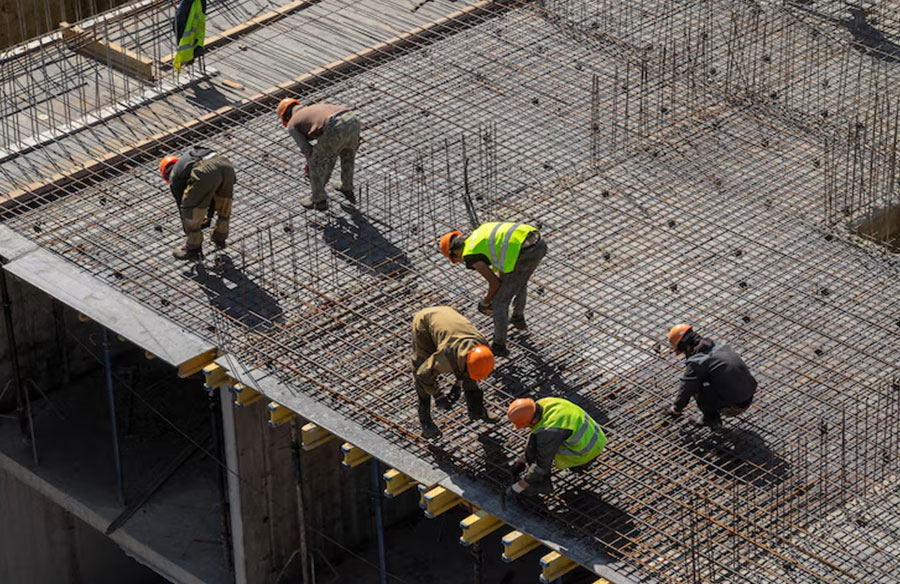
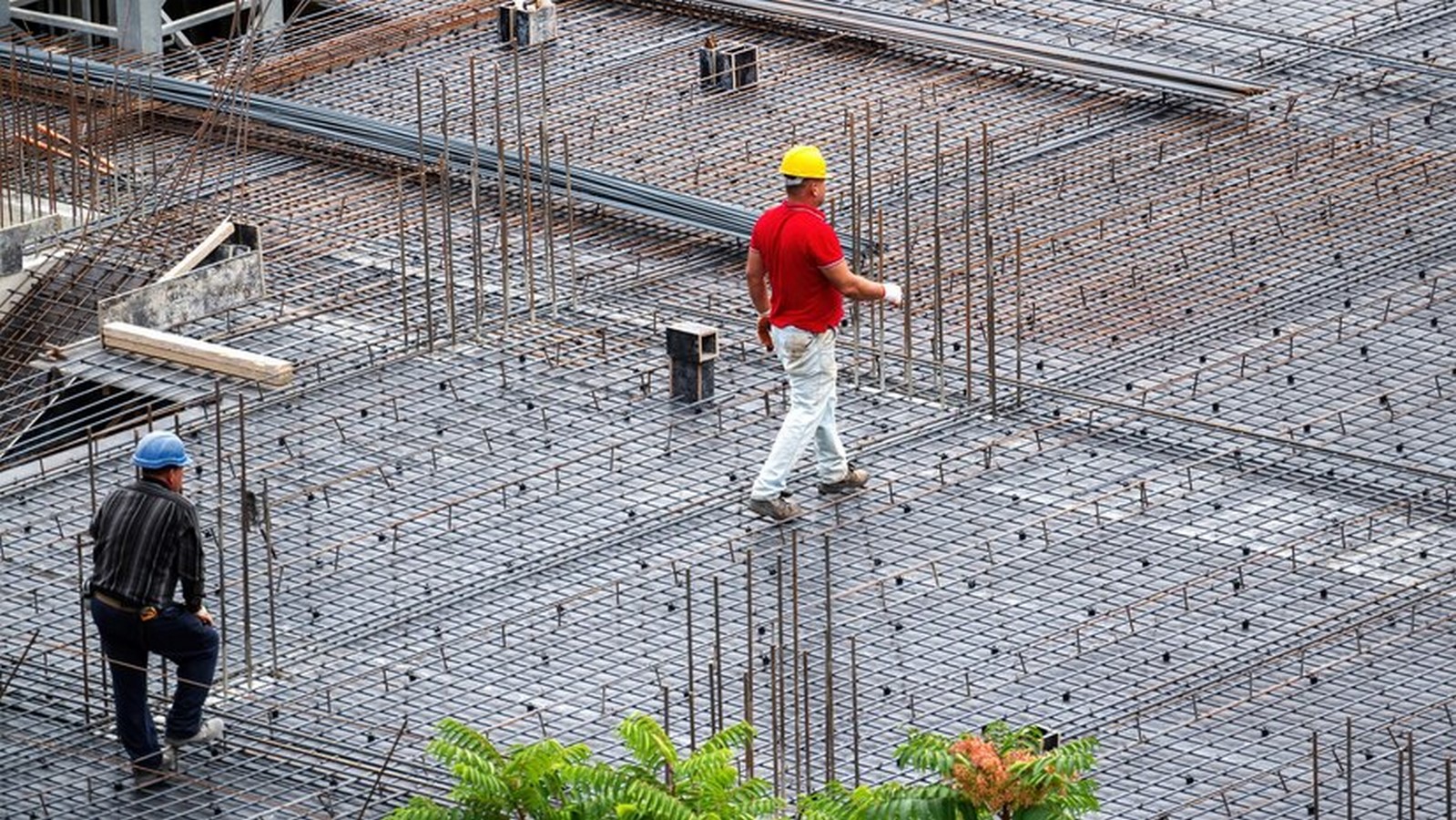
When the real work begins, it’s not just about showing up with a wheelbarrow. Commercial concreters are highly skilled in every part of the process—setting formwork, placing rebar, pouring slabs, smoothing surfaces—and they know how to lead a team while doing it.
And when things go sideways (as they often do in construction), they adapt fast. A last-minute weather hiccup? They’ll tweak the mix or tarp the site. A supplier delay? They’ll adjust the timeline without compromising quality.
“I remember when we were pouring a slab for a data center, and a freak rainstorm hit. Most crews would have shut down, but these guys quickly rigged up tarps, adjusted the concrete mix on the fly, and kept pouring,” says Dave Johnson, foreman at Smith and Jones Construction. “No delays, no drama.”
What keeps everything tight? Top-tier crews invest in training, safety, and the right tools—from laser screeds and power trowels to digital sensors that track drying times down to the minute. It’s craftsmanship with a tech twist.
Tech That Makes a Difference: Concrete Goes Digital
Gone are the days when a clipboard and a gut feeling ran a job site. The best commercial concreters are fully plugged in, using platforms like Procore or PlanGrid to track progress, flag issues, and keep everyone in the loop.
They’re also using concrete maturity sensors to monitor real-time curing, drones for surveying, and GPS-guided layout tools to make sure measurements are bang-on. Robotics are even starting to make an appearance for repetitive tasks, reducing manual errors and speeding up jobs.
This isn’t about showing off—it’s about staying ahead. The faster and more accurately a team can work, the smoother the build, and the fewer surprises you’ll hit along the way.
Doing It by the Book—and Doing It Responsibly
Any commercial concreter worth hiring knows the local codes like the back of their hand. In places like Melbourne, where regulations can be strict and constantly evolving, staying compliant isn’t optional—it’s how you stay in business.
The best in the field also care about sustainability. That means working with mixes that cut down carbon emissions, using recycled aggregates, and supporting LEED certification goals. More builders are turning to slag cement for pavements because it improves durability and fights off chemical reactions that can degrade concrete over time.
It’s not just about passing inspections—it’s about doing better by the planet while still delivering strong, lasting results.
People Skills Matter Too: Communication, Trust, and Follow-Through
Technical skills get the job done—but soft skills keep clients coming back. Elite concreters know how to communicate clearly, manage expectations, and provide honest timelines and pricing. They don’t dodge the tough conversations; they own them.
You’ll notice it in the small things, too. Crews wear uniforms. Sites are tidy. Supervisors follow up promptly. That level of professionalism speaks volumes about how they run the rest of their operation.
They also understand that no two clients are alike. Whether it’s a private developer or a government body, top-tier concreters tailor their approach to each build, aligning their execution with the bigger picture of project success.
Reputation Isn’t Bought—It’s Built (Over Decades)
Here’s the real test of a great commercial concreter: what do their past clients say?
Companies that consistently land high-value contracts, boast decades in the field, and have portfolios full of complex builds don’t get there by luck. They’ve spent years proving themselves, investing in training, and constantly improving their processes.
Big players like Baker Concrete Construction, with billions in revenue, got there because of strong safety cultures, efficient systems, and a track record of exceeding expectations.
 The Bottom Line: What to Look for in a Commercial Concreter
Choosing the right concreter isn’t just about the lowest quote. It’s about value—real value. The kind that comes from sharp planning, next-level execution, great communication, and a commitment to doing things right.
These are the teams that show up early, solve problems before you even notice them, and walk away leaving behind a structure that’s solid, safe, and ready for whatever’s next.
So whether you’re breaking ground on a warehouse, office tower, or public facility, invest in a team that brings experience, innovation, and reliability to the table. Because when the concrete’s solid, everything built on top of it is stronger, too.