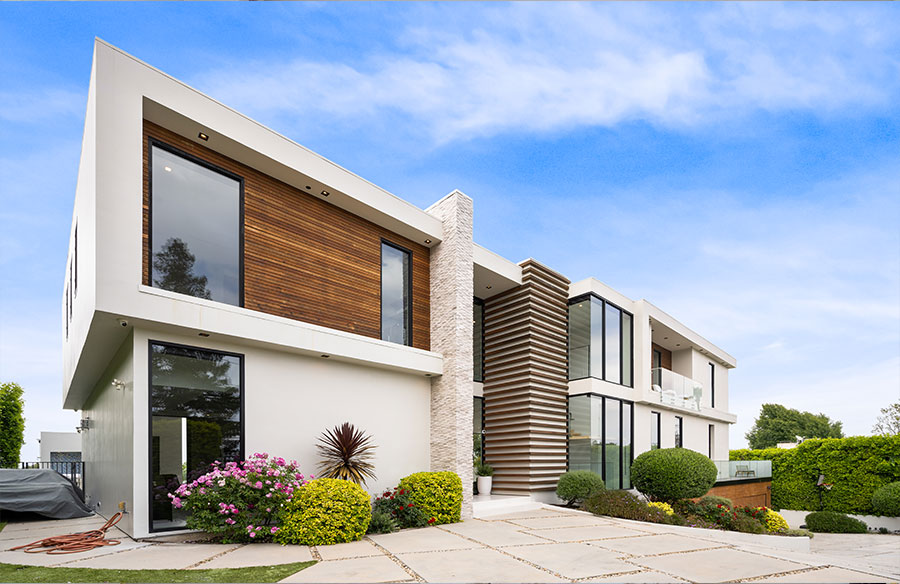
Modern homes are becoming larger and more technologically advanced in the pursuit of comfort and aesthetics. This evolution raises a critical question — does this lifestyle waste too much power? With energy efficiency becoming a pressing concern, homeowners, interior designers and landscapers must consider how their design choices impact energy consumption.
Modern Homes’ Growing Appetite for Energy
A recent U.S. Energy Information Administration survey of residential energy use noted that heating and cooling consume over 50% of power and 23% goes to powering electrical devices, while water heating, lighting and refrigeration account for most of the rest.
The average house size has increased significantly over the past few decades, particularly in the Northeast and Midwest. Larger homes naturally require more energy to heat, cool and light.
While new appliances and HVAC systems are more efficient than their predecessors, the sheer scale of contemporary homes often offsets these gains. For instance, open floor plans — a staple of modern design — may enhance social interaction and aesthetic appeal, but they also make it harder to regulate temperature efficiently.
The EIA study found that a building with five or more apartments uses three times less electricity than a single-family detached home. Zoning systems may mitigate this, but they are not a chief priority in design.
Power Supply Efficiency
Power supply performance is an often-overlooked aspect of energy efficiency in homes. Whether it’s for lighting, appliances or HVAC systems, a stable power output is vital in minimizing waste. Good load regulation typically keeps variability under 5%, measured as a percentage of the maximum load condition. This metric indicates how much a power supply’s output will fluctuate. While achieving zero variability is impossible in practice, aiming for minimal load regulation ensures more consistent and efficient energy use.
For homeowners, this means opting for power supplies and devices with high load regulation standards. Advanced power management systems can further optimize energy distribution, reducing unnecessary consumption. By paying attention to these technical details, modern homeowners can maximize efficiency without compromising functionality.
Debunking the Cost Myth of Sustainable Homes
A common misconception is that sustainable homes are prohibitively expensive. While upfront costs for energy-efficient materials and technologies may be higher, the long-term savings on utility bills often justify the investment. For example, high-performance windows and insulation reduce heating and cooling demands, while solar panels can generate significant energy savings over time. The key lies in viewing sustainability as an investment rather than an expense.
Moreover, sustainable design does not sacrifice aesthetics. Architects and designers can seamlessly integrate energy-efficient features into modern homes. For instance, green roofs provide insulation and stormwater management while adding a unique visual element. Similarly, passive solar design — orienting a house to maximize natural light and heat — can enhance energy efficiency and curb appeal.
Balancing Aesthetics, Efficiency and Innovation
Reducing energy waste in modern homes requires a multifaceted approach. Here are some actionable strategies.
- Smart thermostats: These devices learn household patterns and adjust temperatures accordingly, reducing energy use without sacrificing comfort.
- LED lighting: LEDs consume significantly less power than traditional incandescent bulbs and last much longer.
- Energy audits: A professional auditor can identify inefficiencies that may drive up utility bills, such as air leaks or outdated insulation.
- Landscaping for efficiency: Strategically placed trees and shrubs can provide shade in the summer and windbreaks in the winter, reducing reliance on HVAC systems.
Sustainable Living Without Sacrificing Comfort
Modern homes need not be synonymous with energy waste. Homeowners can enjoy the benefits of contemporary living without excessive power consumption by prioritizing thoughtful design, investing in sustainable technologies and paying attention to technical details like load regulation. The challenge lies in balancing aesthetics, comfort and efficiency — a goal that is increasingly within reach as design and technology innovations keep improving.