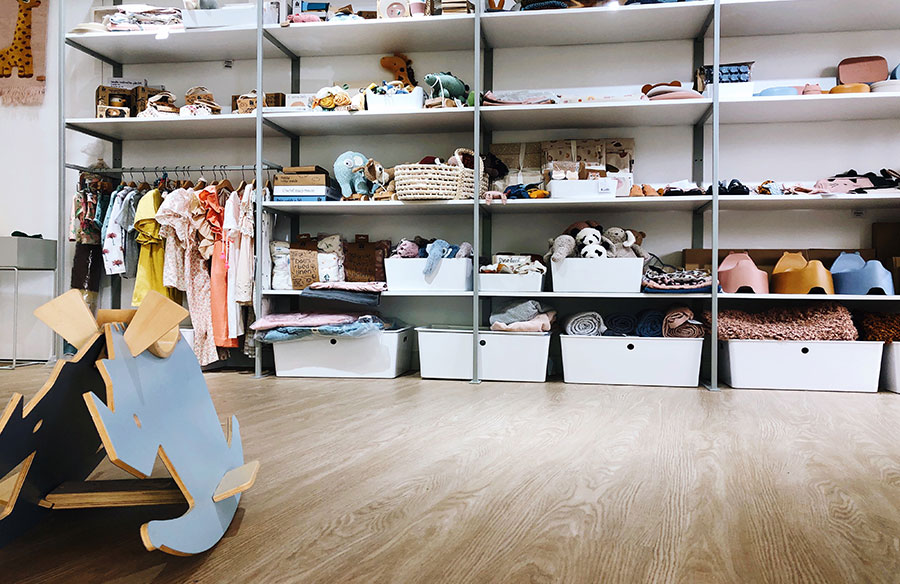
Retail wood flooring offers a blend of durability and elegance, making it an ideal choice for store owners aiming to enhance their commercial spaces. Its natural warmth and resilience not only create an inviting atmosphere but also withstand the rigors of high foot traffic common in retail environments.
Why Choose Wood Flooring for Retail Spaces?
Wood flooring stands out in retail settings for several reasons. Its timeless appeal can complement various interior designs, from modern boutiques to classic storefronts. Beyond aesthetics, wood floors are known for their longevity and ease of maintenance, crucial factors for busy retail locations.
Types of Wood Flooring Suitable for Retail
Solid Hardwood
Solid hardwood flooring is crafted from single pieces of timber, offering authenticity and the ability to be refinished multiple times. This makes it a long-term investment, especially in areas where a traditional look is desired.
Engineered Wood
Engineered wood consists of a real wood veneer atop multiple layers of plywood or fiberboard, enhancing stability and resistance to moisture. This structure makes it suitable for various subfloors and environments, including those with fluctuating humidity levels.
Reclaimed Wood
Reclaimed wood flooring repurposes timber from old structures, offering unique character and sustainability. Each plank tells a story, adding depth and history to retail spaces aiming for a rustic or vintage ambiance.
Benefits of Wood Flooring in Retail Settings
Wood flooring provides several advantages in commercial settings. One of its primary benefits is durability. Engineered wood floors, for instance, feature multi-layered construction that resists warping and wear, even in spaces with heavy traffic. Another critical feature is acoustic control. Unlike tile or concrete, wood flooring helps absorb and soften footstep sounds, resulting in a more pleasant shopping experience. From an aesthetic perspective, the natural grains and color variations in wood contribute to a refined, welcoming environment that feels both authentic and elevated. Additionally, many wood products are FSC® certified, making them an ideal choice for businesses that prioritize sustainability and eco-conscious practices.
Selecting the Right Wood Species
Choosing the appropriate wood species is vital for balancing aesthetics and functionality. Oak is renowned for its durability and classic appearance, making it a popular choice for high-traffic areas. Maple offers a lighter hue with a smooth grain, suitable for contemporary designs. Hickory, with its distinctive patterns, provides a rustic charm and is exceptionally hard, ideal for stores expecting heavy use.
Maintenance and Longevity
Maintaining wood flooring in retail spaces involves regular cleaning and periodic refinishing, depending on the type of wood and finish used. Implementing protective measures like mats at entrances can reduce wear. With proper care, wood floors can last for decades, offering a cost-effective flooring solution over time.
Conclusion
Investing in retail wood flooring not only enhances the visual appeal of your store but also provides a durable and sustainable foundation for daily operations. By selecting the right type and species of wood and committing to regular maintenance, retailers can enjoy the benefits of a flooring option that combines beauty, resilience, and timelessness.