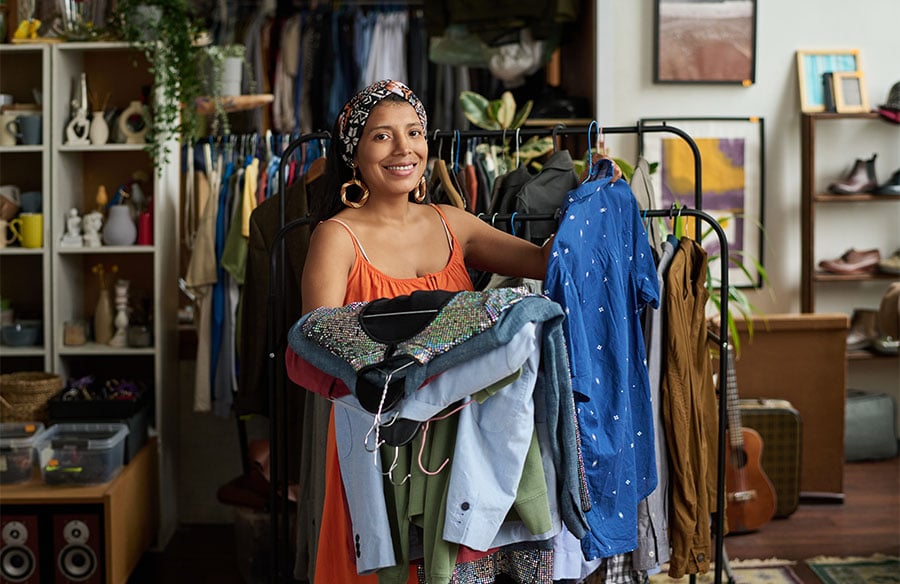
Thrift shopping isn’t just a trend anymore. For many, it’s a lifestyle—a way to shop, a way to save, and, in many cases, a way to be more mindful about how we consume. Whether it’s the thrill of finding something unique or the satisfaction of saving money while being environmentally conscious, thrifting has evolved into much more than a casual weekend activity. It’s an experience that offers a sense of discovery, creativity, and a break from the typical consumer culture that often pushes people to buy more than they need.
Many people turn to thrifting as a way to save money, especially when they’re dealing with debt or striving for financial freedom. Thrift stores can be a goldmine for those who are trying to minimize spending, and if you’re working through debt resolution, thrifting can be a fun and sustainable way to fill your wardrobe or furnish your home without breaking the bank. In fact, thrifting offers an alternative approach to consumption that encourages people to buy less and appreciate what they already have. But it’s not just about the savings—thrifting also nurtures a deeper connection to the items you own.
Why Thrifting is More Than Just Shopping
At its core, thrifting is about more than just buying things. It’s about the hunt for unique, often one-of-a-kind items, and the stories that come with them. When you shop at a thrift store, you’re not just purchasing something off a shelf. You’re uncovering a history, whether it’s a vintage jacket that belonged to someone’s grandmother or a book with notes in the margins. These items carry memories and tell stories, which is something you rarely get with mass-produced, brand-new goods. There’s something deeply satisfying about finding a treasure with a past, knowing that it has had its own journey before it ends up in your hands.
Thrifting encourages a mindful approach to consumption. Unlike fast fashion or the constant temptation of online shopping, thrifting forces us to slow down and appreciate the value of things. You’re not just buying to buy—you’re choosing items with purpose, often considering their quality, usefulness, and the joy they bring, rather than simply adding more things to your life.
The Financial Benefits of Thrifting
One of the most appealing aspects of thrifting is the savings. If you’re working on paying off debt or trying to stick to a budget, shopping at thrift stores offers a way to get what you need without the financial strain. Thrift stores often have clothes, furniture, and household items at a fraction of the price you’d pay at a retail store. Whether you’re looking for a new outfit, a piece of furniture for your home, or even just some kitchenware, thrift stores usually have quality items at significantly lower prices.
For people working on debt resolution, thrifting can be an excellent way to live more frugally without feeling deprived. It allows you to access things you might need—like clothing or home decor—without spending money you don’t have. Plus, when you buy secondhand, you’re also helping to prevent waste and reduce demand for new products, which makes thrifting a sustainable choice for both your wallet and the planet.
Sustainability: Thrifting as a Green Choice
In today’s world, sustainability is more important than ever, and thrifting plays a huge role in reducing environmental impact. The fashion industry alone is responsible for a significant amount of waste, with millions of tons of clothing ending up in landfills each year. Thrifting helps combat this problem by giving clothes and other items a second life, which reduces waste and prevents overproduction.
When you shop secondhand, you’re also cutting down on the carbon footprint associated with producing and transporting new goods. This sustainable approach to shopping not only benefits the planet but also helps you feel good about your choices. By giving pre-loved items a second chance, you’re contributing to a more circular economy, where products are reused and recycled rather than discarded.
Thrift stores often carry items made from high-quality materials that have stood the test of time, whether it’s a sturdy leather bag or a well-made wooden table. These items are often more durable than newer, mass-produced alternatives, meaning they can last longer and continue to be used for many years to come.
The Thrill of the Hunt
For many people, thrifting isn’t just about the savings or the sustainability—it’s about the thrill of the hunt. There’s something undeniably exciting about searching through racks of clothes, piles of books, or bins of knick-knacks, knowing that you could stumble upon something amazing. Thrift stores are treasure troves of hidden gems, and the process of finding that perfect piece—whether it’s a designer jacket for $5 or an antique vase—is incredibly rewarding.
The unpredictability of thrift shopping is part of what makes it so fun. You never know exactly what you’ll find when you walk through the door, which keeps things interesting. Unlike shopping at a traditional store where everything is neatly displayed and easily accessible, thrift stores require a bit of digging and patience. But that’s what makes it so satisfying when you find exactly what you’re looking for. It’s like a mini adventure every time you step into a thrift store.
Building a Unique and Personal Style
One of the best things about thrifting is that it allows you to develop a unique and personal style. Since many items in thrift stores are one-of-a-kind, you can find pieces that set you apart from the crowd. Thrift stores offer a vast range of vintage, retro, and even modern items that reflect different styles, so you can mix and match to create a wardrobe that truly represents you.
Buying secondhand items also encourages you to think outside the box and get creative with your style choices. It’s an opportunity to experiment without the pressure of keeping up with fast fashion trends. Plus, with so many affordable options, you can try different looks without breaking the bank.
The Community Aspect of Thrifting
Thrift shopping also brings people together. Whether it’s supporting local charities, community-driven initiatives, or just bonding with friends over a shared love of treasure hunting, thrifting has a way of fostering a sense of community. Many thrift stores are run by charitable organizations, meaning your purchases often support local causes, making the act of shopping feel more rewarding.
Additionally, thrifting offers a sense of connection to the past. When you purchase vintage or secondhand items, you’re not just acquiring material goods; you’re also tapping into history. The stories behind the items—whether they’re a quirky piece of furniture or a gently worn leather jacket—remind us of the people who owned them before and the lives they lived.
Final Thoughts: Thrifting as a Lifestyle Choice
Thrifting is about so much more than just saving money—it’s a lifestyle that encourages mindfulness, creativity, and sustainability. From the joy of finding unique treasures to the satisfaction of making eco-friendly choices, thrifting offers a way to live intentionally and embrace a more thoughtful approach to consumption. Whether you’re building a wardrobe, decorating your home, or simply looking for something different, thrifting gives you the opportunity to find high-quality items while contributing to a more sustainable future.