
For older adults, aging gracefully has never just been about health. It’s about preserving freedom, privacy, and the ability to live on your own terms. But for too many seniors and their families, safety has come with a catch—monthly fees, complex contracts, and equipment that feels more like hospital tech than home comfort. That’s where the idea of no-fee medical alert systems is turning heads and shifting the conversation.
More than just a smart budget move, a zero-cost alert plan reflects a deeper cultural shift: reimagining what safety looks like when dignity is at the center. These systems are showing that keeping someone safe doesn’t need to be expensive, complicated, or impersonal. It can be subtle. Seamless. And most importantly, accessible to all.
A Future Where Safety Isn’t a Luxury
Medical alert systems used to be a niche product—primarily for those with higher health risks and the financial means to afford monitoring. But with rising healthcare costs and aging populations worldwide, that old model just doesn’t cut it anymore. The reality is, many seniors want to stay in their homes longer. And that desire requires a safety net.
The innovation behind zero-cost systems is more than clever product development. It’s a values-driven design decision. These offerings are shifting the conversation from “Can we afford it?” to “Why wouldn’t we use it?” No contracts, no pressure, just immediate peace of mind.
Safety That Doesn’t Feel Clinical
One of the biggest wins with modern no-fee systems is their design. Gone are the bulky buttons that scream “medical device.” Today’s devices are discreet, sometimes wearable like a watch or pendant, and integrate easily into everyday life. This matters more than most people realize.
Because let’s be real—no one wants to feel like they’re being watched. Seniors, like anyone else, value their privacy. A system that empowers without feeling invasive goes a long way in helping users feel in control. It’s not about surveillance. It’s about support.
Meeting Real Needs, Not Just Emergencies
While most people associate alert systems with falls and 911 calls, the best ones do more than just react. Some provide reminders for medication, check-ins for wellness, and optional caregiver notifications that foster community instead of isolation.
It’s this evolution that makes no-fee systems stand out. When there’s no cost barrier, seniors and caregivers alike are more willing to use the tech proactively. It becomes part of a daily rhythm—like setting an alarm or sending a goodnight text—not something that gets dusted off only in crisis.
Bridging the Digital Divide
Let’s not ignore the elephant in the room: technology can feel intimidating, especially if you didn’t grow up with it. But the best no-cost options are built with ease in mind. Think: single-button simplicity, large readable displays, or even auto-alerts triggered by movement sensors.
There’s no assumption that every user is digitally fluent. And that’s key. When accessibility is built into the design, adoption goes up. Fear goes down. And trust starts to grow.
What’s also important is that many of these systems include live support from real people—meaning if something goes wrong, help isn’t just a call away, it’s understood. That human touch can make all the difference in emergency response situations and in everyday peace of mind.
The Quiet Power of Preventative Care
Sometimes, what doesn’t happen matters more than what does. When a medical alert system works, there’s often no dramatic story to tell. Just a quiet moment where someone caught themselves before falling. Or felt confident enough to take a walk without worrying about “what ifs.”
Zero-cost plans are helping seniors stay active longer by removing the psychological burden of “what happens if I’m alone?” That preventative benefit is massive. Fewer emergency room visits. Lower long-term healthcare costs. And healthier mental outlooks.
This is where safety tech becomes wellness tech—not just intervening during emergencies, but empowering lifestyles that help avoid them.
Family Matters: Easing the Burden on Loved Ones
Let’s not forget the other half of the equation—families. Adult children who live out of town. Caregivers juggling multiple responsibilities. They worry, too. And that worry can often lead to tension.
With a reliable no-fee alert system in place, families get something invaluable: reassurance. No more frantic calls when mom doesn’t answer. No more second-guessing whether dad took his meds. Everyone breathes a little easier.
And that kind of peace doesn’t just reduce stress. It helps preserve relationships, letting loved ones support each other without overstepping or hovering.
Reimagining the Economics of Aging
Free alert systems also raise bigger questions about how we design services for aging populations. Should access to emergency assistance really depend on monthly payments? Should life-saving technology be tied to a subscription model?
The zero-cost model challenges old business structures and suggests something new: a service-first approach, where value is measured by reach and impact, not by price tag. It’s a signal that some companies are prioritizing scale, equity, and trust over profit margins—and that’s a future worth investing in.
A Quiet Revolution in Care
What we’re seeing isn’t just a trend—it’s a shift in mindset. No-fee medical alert systems are one piece of a larger puzzle that redefines how we approach elder care. It’s not about adding bells and whistles. It’s about subtracting the barriers that keep people from feeling safe, seen, and supported.
By removing cost, companies are removing friction. And by focusing on dignity, they’re giving users something even more valuable than safety: control.
 Final Thoughts: What Dignity Really Looks Like
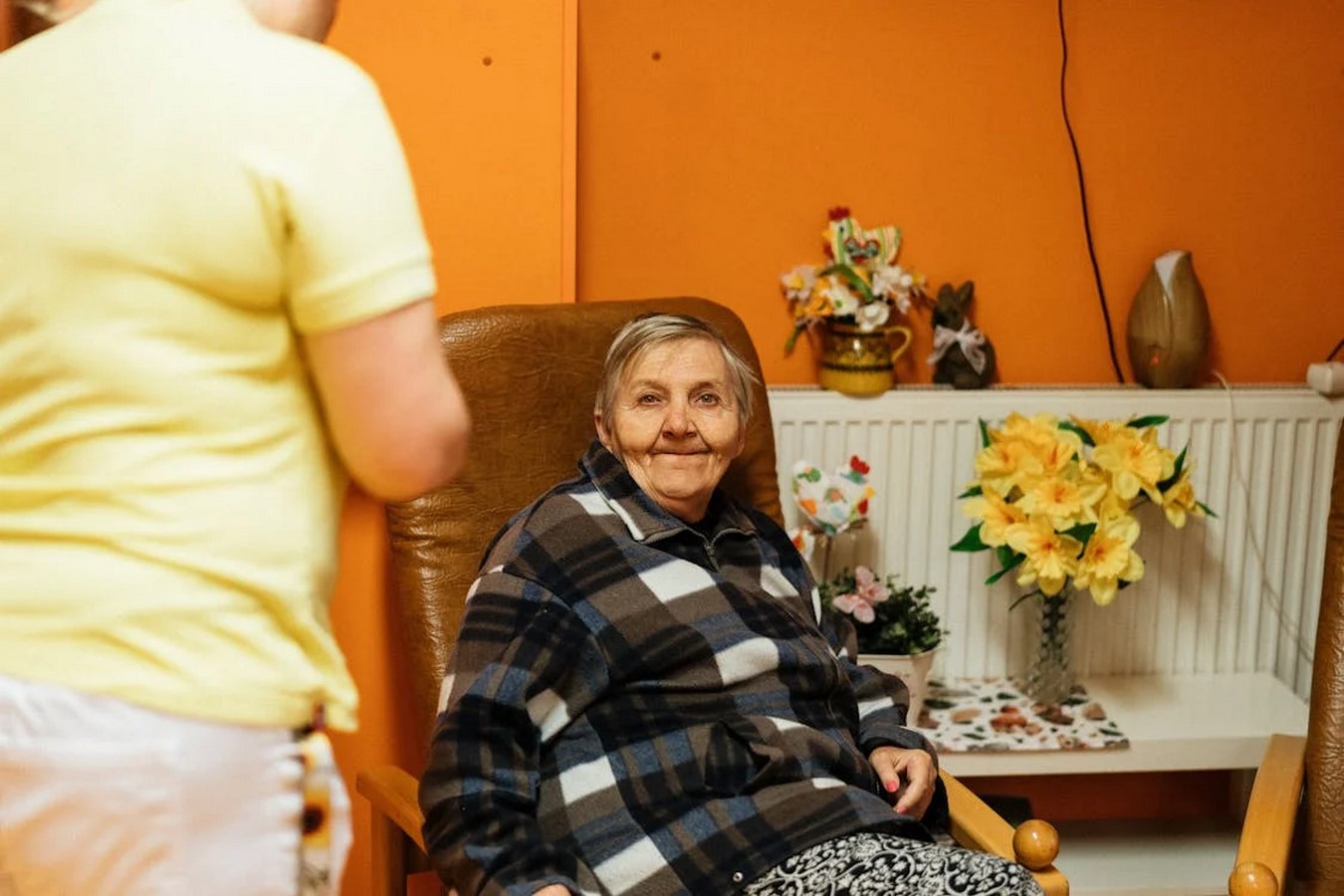
Dignity doesn’t come with a monthly invoice. It comes with being able to make your own choices, stay in your own space, and live life with confidence. A zero-cost alert plan isn’t just a tool. It’s a statement. That safety should be a right—not a luxury.
As we rethink the future of aging, tech like this should be part of the foundation. Not just because it’s smart or scalable. But because it reminds us what good design really is: invisible, intuitive, and inclusive.