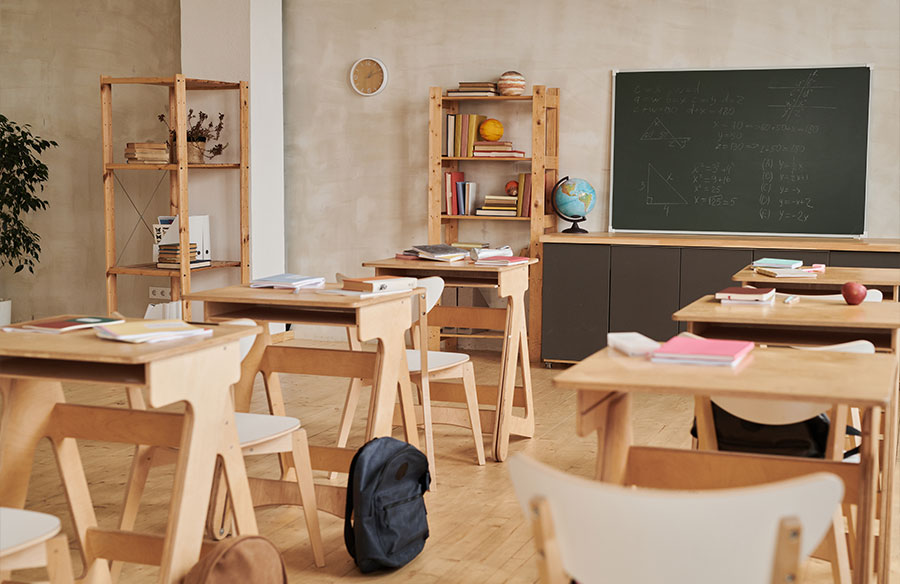
Why Your Classroom Looks Like That
Ever walked into a classroom and thought, “Wow, this place has Opinions?” Well, you’re not wrong. School design isn’t just about picking paint colors that hide grime the best. It’s a complex mashup of art, science, and someone’s deeply held beliefs about how you, dear student, should exist in the world. Turns out, culture has its fingerprints all over your learning space, from the suspiciously round tables to the aggressively beige walls. This isn’t just fluff; it actually messes with your brain, your grades (hello, academic performance!), and whether you feel like learning or napping. So, buckle up for some essential student tips on navigating these culturally coded educational jungles.
The Great Divide: Individualists vs. The Group Hug
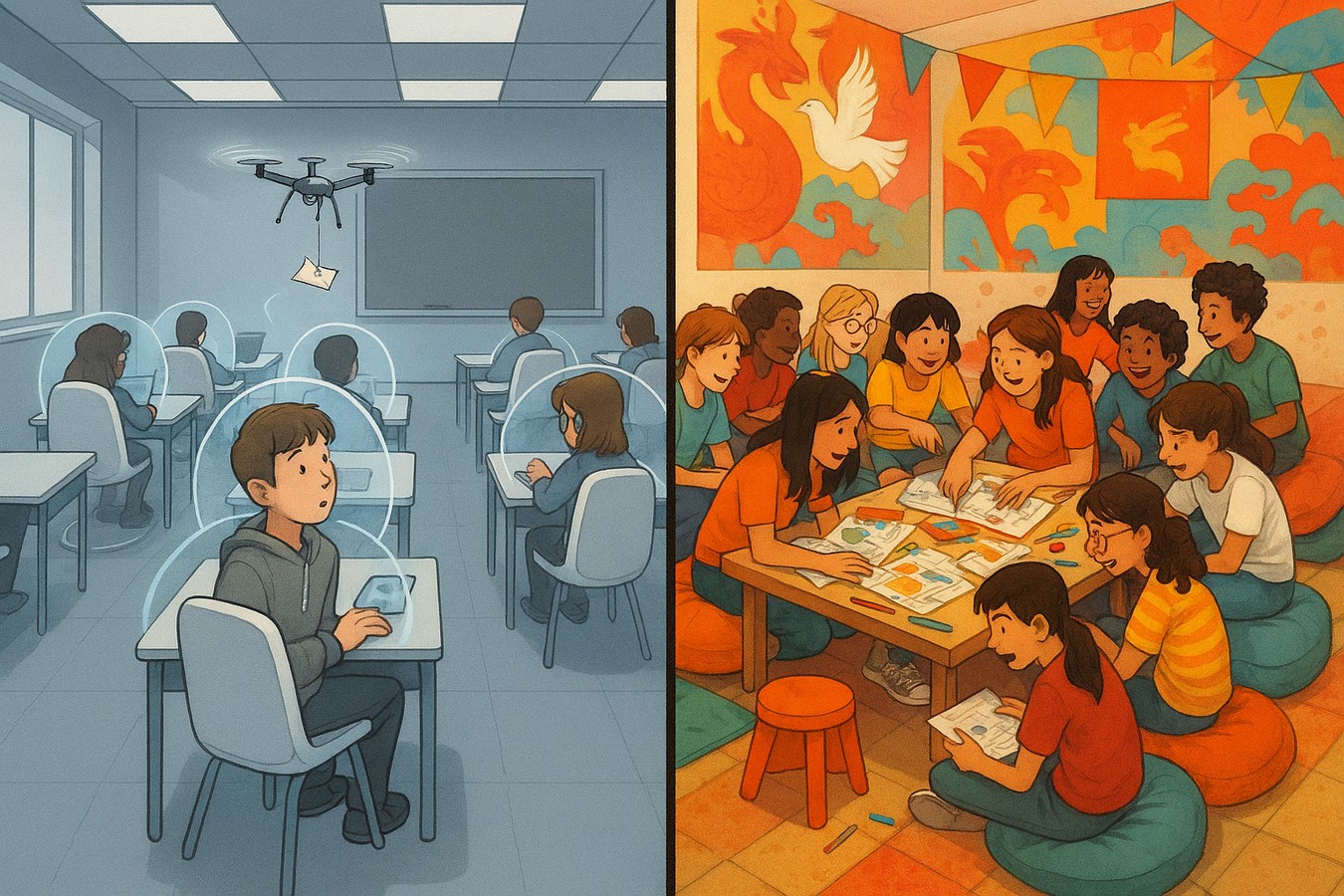 Some cultures are all about “Me, Myself, and I”. Their schools often look like it, packed with tiny cubicles and personal space bubbles that scream “Don’t breathe near my stapler”. Think lone-wolf study zones designed to boost individual focus, supposedly. If the solo grind gets overwhelming, some might even consider seeking external help, like a ghostwriter bachelorarbeit for those bigger projects (just kidding… mostly). Ultimately, this design might just make group projects feel like awkward speed dating, so if you find yourself needing to collaborate, maybe bring snacks as a peace offering.
Then you have the “We’re All In This Together” crowd, common in collectivist cultures. These schools typically feature wide-open spaces, big tables meant for sharing (and germ-swapping), and a general vibe that says, “privacy is overrated”. Great for students’ success in teamwork, possibly less great when you just need to quietly contemplate the meaning of quadratic equations. Student tips for surviving this: learn to tune out noise or find the one corner they forgot to make “communal.”
Power Plays: Who’s the Boss?
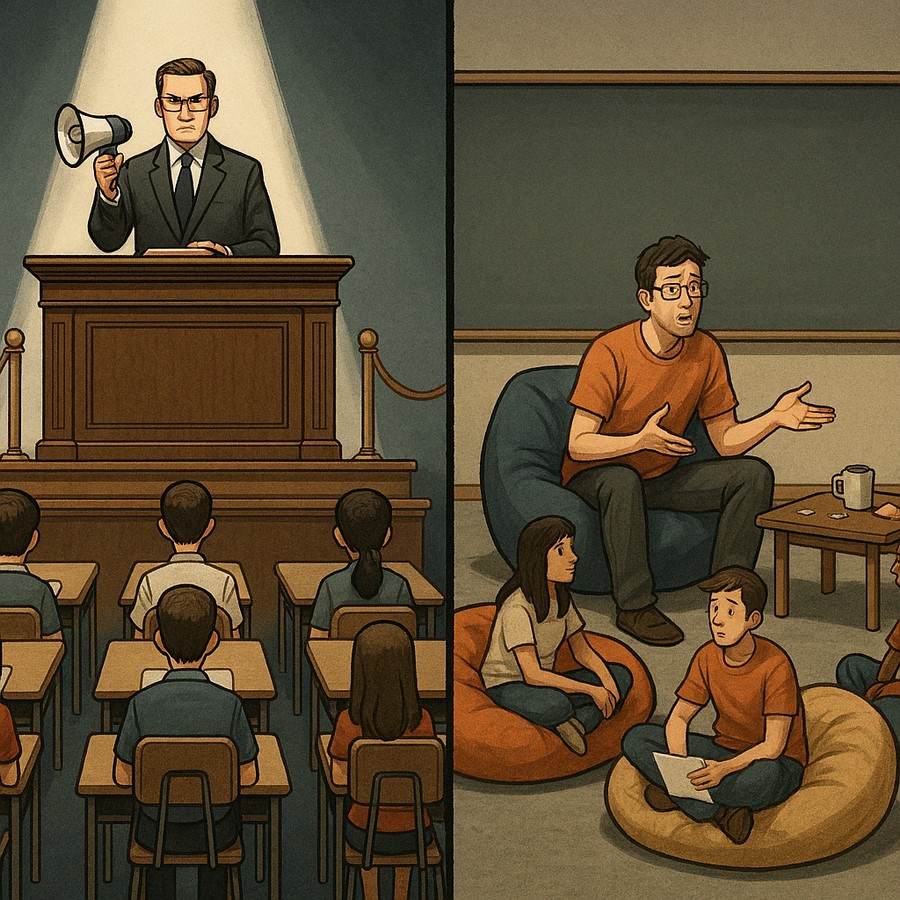 Ever notice how some classrooms basically put the teacher on a throne? That’s Power Distance, baby! In high-power distance cultures, the classroom layout screams, “Respect my authority… and my slightly elevated platform”. Think rows facing the front, the teacher’s zone clearly marked (possibly with velvet ropes). Your academic performance here might involve perfecting the art of looking attentive, even when you’re not.
Low-power distance schools try to be cool about it. Flexible seating, maybe a beanbag chair or two, teachers milling about like they’re one of us. It’s meant to feel equal, but sometimes just leads to confusion about who’s actually in charge. Student tips: Figure out the unspoken rules fast. Does “flexible seating” mean “sit wherever” or “sit where Teacher Dave passive-aggressively wants you to sit”?
Decoding the Color Code (Good Luck)
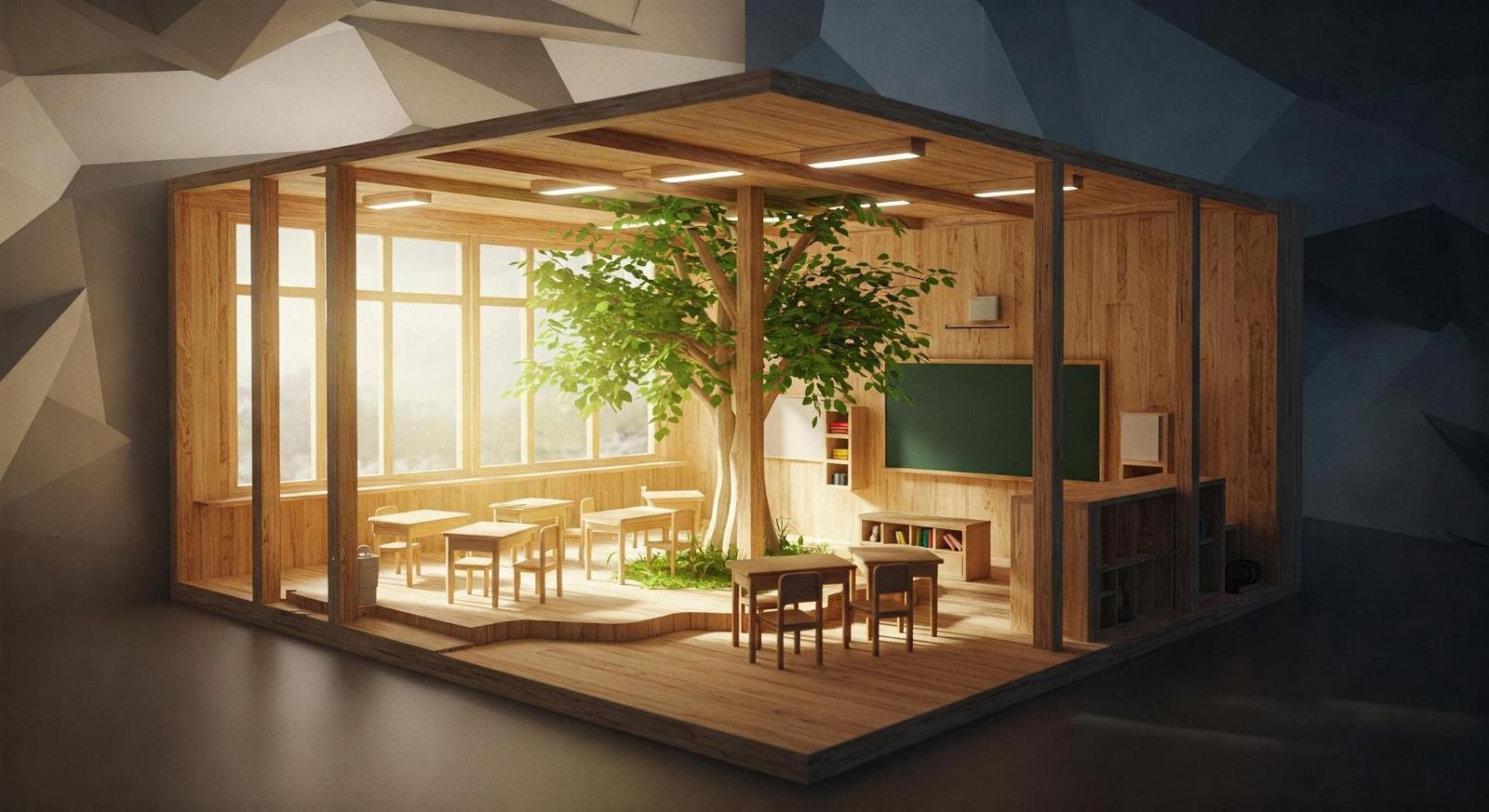 Colors aren’t just colors; they’re cultural messengers, often delivering wildly contradictory news. White might mean purity in one place and death in another. Red could be luck or rage. Green might be nature, or it might mean… well, let’s just say perhaps avoid green hats in certain regions.
- Psychology vs. Culture: Designers try to use “calming blues” or “energizing yellows”, but cultural meanings can hijack those vibes fast. That “happy yellow” wall might just remind someone of mourning.
- Student Tip: Don’t overthink the wall color’s effect on your academic performance. Unless it’s truly hideous, just try to ignore it. Focus on the learning, not the questionable decor choices.
Furnishing Your Fate: Sit Up Straight, or Don’t
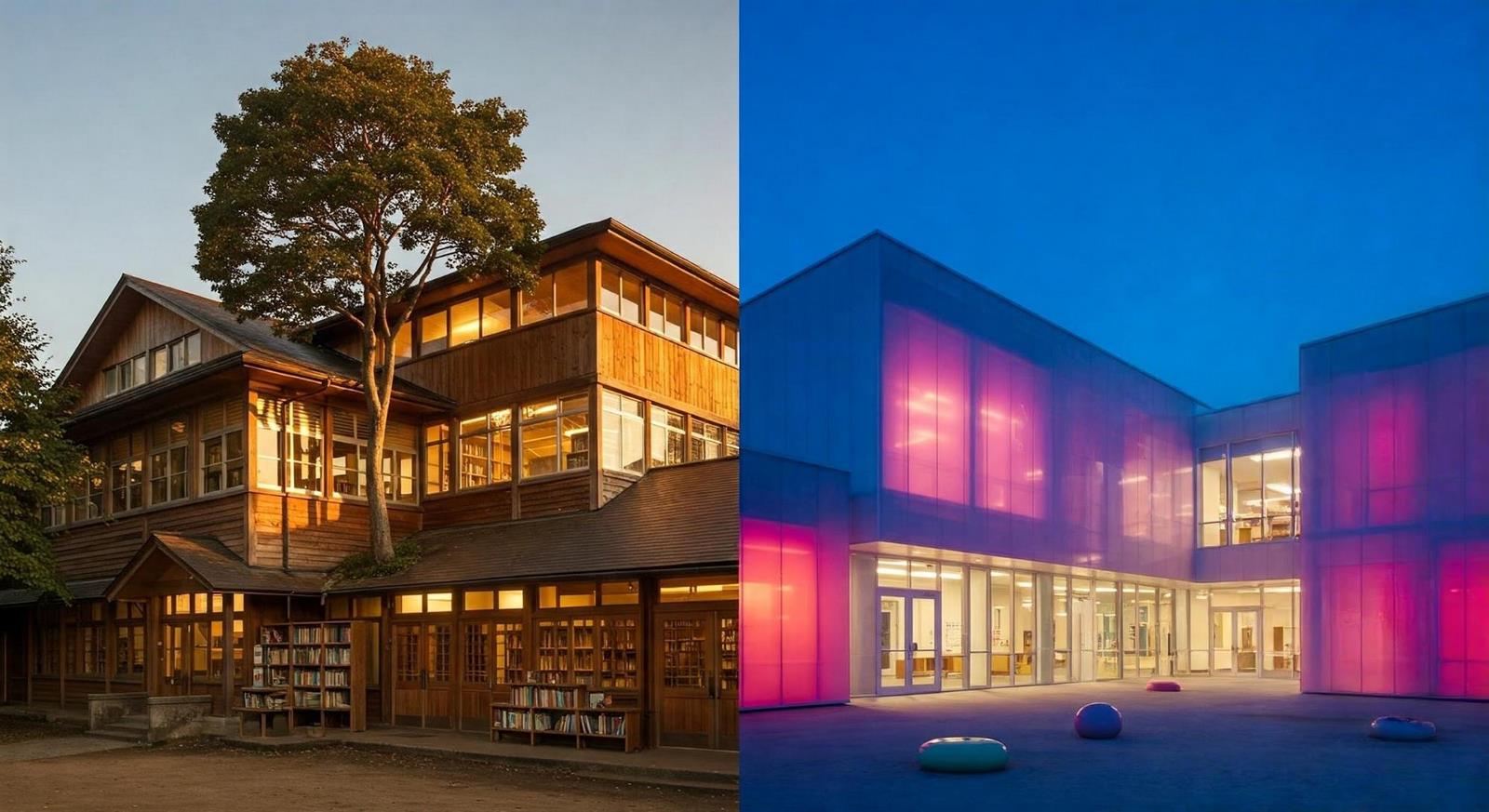 Furniture choices are loaded. Low tables in Japan might encourage floor-sitting Zen vibes. Rows of fixed desks might mean “listen and obey”. Wobbly, rearrangeable tables might mean “group work chaos is encouraged”.
- Flexibility Frenzy: Modern schools love “flexible furniture”. This usually means lightweight stuff on wheels that teachers expect you to rearrange constantly. Student tips: Master the art of the quick furniture shuffle. It’s a life skill now.
- Writing Resources: Regardless of the furniture, students’ success often hinges on clear communication. For help honing those skills, check out some excellent student writing resources available online from places like university writing centers.
Conclusion: It’s Complicated, Just Try to Graduate
So, your classroom is a cultural battlefield of conflicting ideas about space, power, color, and comfort. Designers try to balance tradition, modern trends, nature, and whatever the school board thinks looks good this year. Does it always work? Probably not. Does it impact your academic performance and overall school experience? Absolutely.
The ultimate student tips? Be aware, be adaptable, and maybe develop a healthy sense of irony about the bizarre environment you’re forced to learn in. Good luck.