As our world faces increasing environmental challenges, the architecture and design industry is at the forefront of creating innovative solutions for a more sustainable future.
From eco-friendly materials to energy-efficient designs, architects and designers are reimagining the built environment to reduce our carbon footprint and create spaces that are both beautiful and environmentally responsible.
In this article, we’ll explore some of the latest trends and innovations in sustainable architecture that are shaping the future of our cities and homes.
The Evolution of Sustainable Architecture
Sustainable architecture has come a long way since its inception. What was once considered a niche concept has now become a mainstream approach to design and construction.
Today, architects and designers are not only focusing on reducing energy consumption and minimizing waste but also on creating spaces that promote well-being and harmony with nature.
From Green Buildings to Regenerative Design
The concept of green buildings has evolved into a more holistic approach known as regenerative design. This philosophy goes beyond simply reducing negative environmental impacts and aims to create buildings that actually contribute positively to their surroundings.
Biomimicry in Architecture
Biomimicry, the practice of emulating nature’s time-tested patterns and strategies, is gaining traction in sustainable architecture.
Designers are looking to natural systems for inspiration, creating buildings that are not only aesthetically pleasing but also highly efficient and adaptive.
Innovative Materials Revolutionizing Sustainable Construction
The materials used in construction play a crucial role in determining a building’s environmental impact.
Architects and designers are constantly exploring new materials that are both sustainable and high-performing.
Recycled and Upcycled Materials
One of the most exciting trends in sustainable architecture is the use of recycled and upcycled materials. From reclaimed wood to recycled plastic, these materials not only reduce waste but also add unique character to buildings.
For instance, The Soapery, a sustainable soap manufacturing facility, incorporates recycled shipping containers into its design, showcasing how industrial materials can be repurposed creatively.
Bio-based Materials
Bio-based materials derived from renewable sources are gaining popularity in sustainable construction.
These include materials like bamboo, hemp, and mycelium (fungal threads), which offer excellent insulation properties and have a lower carbon footprint compared to traditional building materials.
Self-healing Concrete
Researchers have developed self-healing concrete that can repair its own cracks, potentially extending the lifespan of structures and reducing maintenance needs.
This innovative material incorporates bacteria that produce limestone when exposed to water, effectively sealing cracks as they form.
Energy Efficiency and Renewable Energy Integration
Energy efficiency remains a cornerstone of sustainable architecture. Designers are finding innovative ways to reduce energy consumption and integrate renewable energy sources into buildings.
Passive House Design
The Passive House standard, which originated in Germany, is gaining global recognition for its ultra-low energy buildings.
These structures are designed to maintain a comfortable indoor climate without active heating and cooling systems, relying instead on superior insulation, airtight construction, and strategic use of solar gain.
Building-Integrated Photovoltaics (BIPV)
Solar panels are no longer just add-ons to buildings. Building-Integrated Photovoltaics (BIPV) seamlessly incorporate solar cells into building materials like windows, facades, and roofing tiles, allowing structures to generate their own clean energy without compromising aesthetics.
Smart Building Technologies
The integration of smart technologies is revolutionizing how buildings operate.
From AI-powered energy management systems to IoT sensors that optimize lighting and temperature, these technologies are making buildings more efficient and responsive to occupants’ needs.
Water Conservation and Management
As water scarcity becomes an increasingly pressing issue, sustainable architecture is placing greater emphasis on water conservation and management strategies.
Rainwater Harvesting Systems
Many sustainable buildings now incorporate sophisticated rainwater harvesting systems that collect, filter, and store rainwater for non-potable uses like irrigation and toilet flushing.
Greywater Recycling
Greywater recycling systems are becoming more common in sustainable buildings.
These systems treat and reuse water from sinks, showers, and washing machines for purposes like landscape irrigation, reducing overall water consumption.
Water-efficient Landscaping
Sustainable architecture extends beyond the building itself to include the surrounding landscape.
Water-efficient landscaping techniques, such as xeriscaping and the use of native plants, help reduce water consumption while creating beautiful, low-maintenance outdoor spaces.
Biophilic Design: Bringing Nature Indoors
Biophilic design, which seeks to connect building occupants more closely to nature, is a growing trend in sustainable architecture.
This approach not only enhances well-being but can also contribute to energy efficiency and improved indoor air quality.
Living Walls and Green Roofs
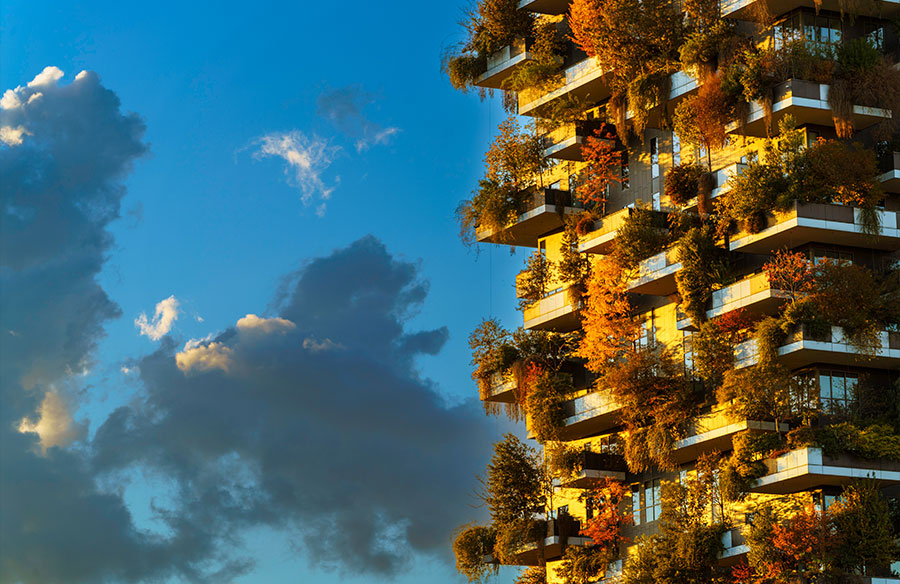
Vertical gardens and green roofs are becoming increasingly popular in urban environments.
These features not only add visual interest but also provide insulation, reduce the urban heat island effect, and support biodiversity.
Natural Light and Ventilation
Maximizing natural light and ventilation is a key principle of biophilic design.
Strategies like light wells, skylights, and operable windows not only reduce energy consumption but also create more pleasant and healthy indoor environments.
Indoor Gardens and Water Features
Incorporating indoor gardens and water features into building designs can improve air quality, regulate humidity, and create calming spaces that promote well-being and productivity.
The Future of Sustainable Architecture
As we look to the future, sustainable architecture will continue to evolve, driven by technological advancements and a growing awareness of environmental issues.
3D Printed Buildings
3D printing technology is opening up new possibilities for sustainable construction. This method can reduce waste, lower transportation costs, and allow for more complex, organic forms that optimize energy efficiency.
Carbon-Negative Buildings
The concept of carbon-negative buildings, which sequester more carbon than they emit over their lifecycle, is gaining traction. These structures go beyond net-zero energy to actively combat climate change.
Adaptive Reuse and Flexible Design
As our needs and environments change, the ability to adapt existing structures becomes increasingly important. Sustainable architecture of the future will prioritize flexible designs that can be easily modified to serve new purposes, reducing the need for new construction.
Conclusion
Sustainable architecture is no longer just about reducing environmental impact; it’s about creating spaces that actively contribute to the well-being of both people and the planet.
As we face the challenges of climate change and resource scarcity, the innovations in sustainable design offer hope for a greener, more resilient future.
By embracing these new technologies and approaches, architects and designers are not just building structures – they’re shaping a more sustainable world for generations to come.