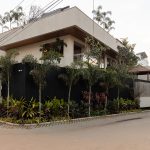
Biophilic design is reshaping urban living by integrating natural elements into home architecture. This approach enhances sustainability and well-being, making spaces healthier and more inviting.
In cities like Decatur, GA, homes increasingly reflect this trend. Buyers are drawn to features that connect them with nature, and the real estate market responds positively to eco-conscious demands.
This guide explores how biophilic design transforms residential spaces in Decatur and highlights the benefits of creating life-enhancing environments while appealing to modern homeowners’ desires for sustainability.
What is Biophilic Design?
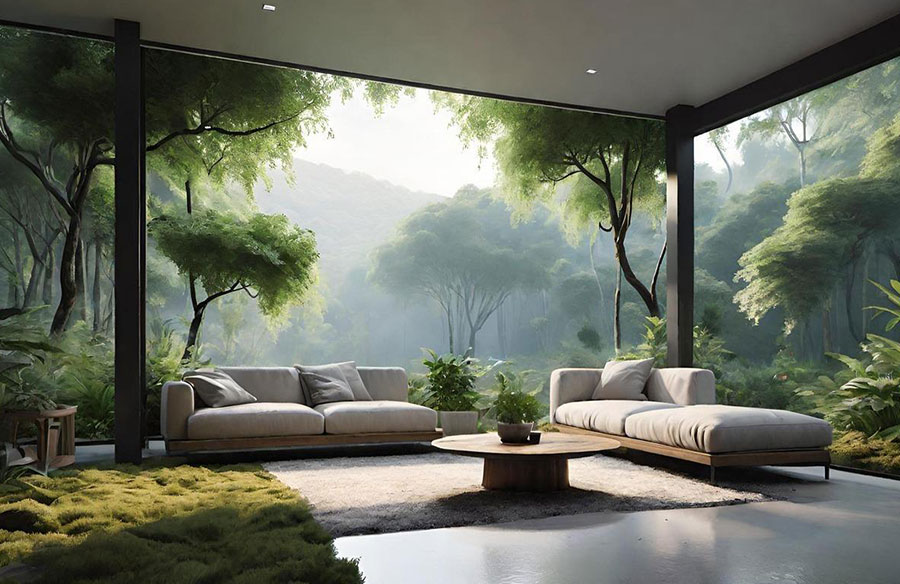
Biophilic design focuses on bringing nature into our built environments. Imagine living spaces filled with natural light, plants, and materials that resemble the outdoors. This concept seeks to connect people and nature, which can improve mood and well-being.
It is like having a small garden in your home or large windows that let in views of trees outside. By incorporating these natural elements into buildings, designers aim to make urban living healthier and more enjoyable. Ultimately, biophilic design enhances the beauty of our surroundings and fosters a sense of peace and tranquility in everyday life.
Enhancing Air Quality and Well-Being
One significant impact of biophilic design on sustainable urban living in Decatur is the improvement of air quality. Integrating plants into residential spaces helps filter pollutants and release oxygen, creating a healthier indoor environment.
Think of it as nature’s air purifier; greenery absorbs harmful toxins while providing fresh air. This approach boosts physical health and mental well-being, allowing residents to feel more relaxed and focused. As homes increasingly feature biophilic elements, such as living walls or rooftop gardens, they contribute to a cleaner atmosphere in the city overall.
Creating Community Spaces
Another impact of biophilic design is the creation of community spaces that foster social interaction. In Decatur, neighborhoods increasingly feature parks and gardens designed with natural elements that invite residents to gather and connect.
These green spaces promote a sense of belonging and encourage outdoor activities, essential for physical and mental health. People can engage in recreational pursuits or simply relax in nature, enhancing their quality of life.
As communities embrace biophilic principles, they cultivate healthier environments and stronger relationships among residents, leading to vibrant urban living experiences.
Boosting Property Values
The creation of attractive community spaces significantly boosts property values in Decatur. Homebuyers recognize the benefits of living near well-designed parks and gardens that prioritize natural elements, which enhances their overall lifestyle.
As demand for homes increases, potential buyers often turn to online platforms to explore homes for sale in Decatur GA, specifically those that feature biophilic design elements, making it easier to find properties with desired amenities like green roofs or proximity to parks.
Fostering Resilience to Climate Change
The integration of biophilic design contributes to fostering resilience against climate change. As cities face increasing challenges, such as rising temperatures and heavy rainfall, incorporating natural elements into urban planning helps mitigate these impacts.
Green roofs, for example, absorb rainwater and reduce heat buildup, which lowers the urban heat island effect. Additionally, trees strategically placed throughout neighborhoods provide shade and improve air quality.
This focus on sustainability has benefits that go beyond individual homes. It strengthens the community’s ability to adapt to changing environmental conditions, making Decatur a more livable city for everyone.
Promoting Biodiversity
The last impact to consider is how biophilic design promotes biodiversity within urban settings. In Decatur, incorporating native plants and creating habitats encourages wildlife to thrive alongside human inhabitants.
These green spaces attract pollinators like bees and butterflies, which are essential for healthy ecosystems. Moreover, fostering biodiversity improves local resilience against pests and diseases.
As neighborhoods embrace this natural approach, residents enjoy a richer environment filled with the sights and sounds of nature, enhancing their connection to the world around them while supporting sustainable urban living practices in the city.
Looking Ahead
Embracing biophilic design in Decatur represents a shift toward healthier, more sustainable urban living. As communities continue to prioritize natural elements, residents will enjoy enhanced well-being and enriched environments.
This movement encourages individual connections to nature and strengthens community bonds. With ongoing support for green initiatives, Decatur is slowly becoming a model for other cities seeking to create vibrant spaces that nurture people and the planet.