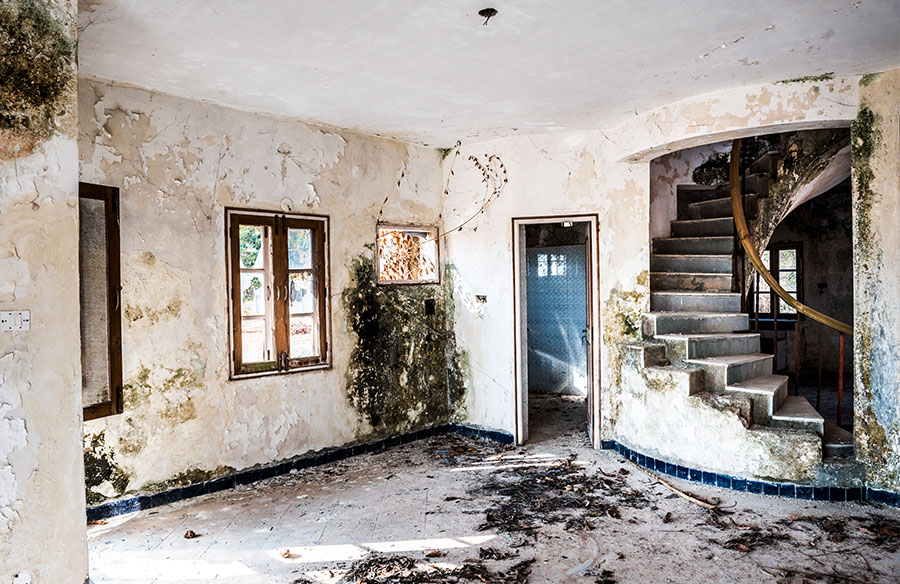
Taking care of your house alone would considerably reduce damage and save repair costs. There may be onsets of damage in different manners either because of mere wear and tear, alterations in weather, or just accidents. These could all be prevented, if not forecasted, with precautions well ahead of time and help one be away from frustrations, time-consuming, and less expensive ways of dealing.
Preventing Roof Damage
Of utmost concern to note is the roof aspect. Since it protects your home from the elements, it is prone to wear over time. Harsh weather, falling debris, and neglect can lead to leaks, missing shingles, and structural issues. To prevent roof damage, inspect it at least twice a year, particularly after heavy storms. Keeping your gutters clean is also vital to ensure proper drainage and avoid water buildup that can seep into your roof. Replacing damaged or missing shingles promptly and trimming overhanging branches will help maintain your roof’s integrity.
Water Troubles in Walls and Ceilings
Water damage is another common issue, especially in walls and ceilings. It can lead to mold growth, wood rot, and structural weakening if not addressed in time. Leaky pipes, poor ventilation, and roof leaks are typical causes. Water accumulation can be prevented by regular checking of your plumbing to stop leaks at the earliest. Proper ventilation, especially in areas such as bathrooms and kitchens, reduces the levels of moisture thereby avoiding condensation. To a large extent, water damage can be prevented by the use of water-resistant materials in moist-prone areas and the installation of a dehumidifier in damp rooms.
How to Save Your Home Against Flood Damage
Flooding can cause disastrous damages to your home, destroying your floors, furniture, and electrical systems. It is highly vulnerable to flooding from heavy rainfall, poor drainage systems, or proximity to bodies of water. Fixing a sump pump within your basement would be a very good and workable method to remove excess water from the basements, besides keeping gutters and downspouts free from blockages so that water will be directed away from your house. Raising appliances and electrical outlets in flood-prone areas is another preventative measure. More importantly, investment in flood preparedness tools like sandbags and waterproof barriers can significantly reduce the effects of flooding on your property.
Preventing Foundation Cracks
Foundation cracks will compromise the stability of your home. They can cause uneven floors, wall cracks, and even structural failure if left unattended. The best prevention against foundation issues is proper drainage around the home to ensure water isn’t pooling near the foundation. Sealing small cracks with sealant before they widen can help minimize damage. Also, big trees should be grown sufficiently away from the house because their roots, over time, may damage its foundation. Keeping the soil around your home evenly moist will also help to prevent any sudden shifts of it.
Avoiding Electrical Hazards and Fire Damage
Other major concerns include electrical hazards and fire damage. Electrical fires are a common occurrence, especially due to faulty wiring, overloaded outlets, and aging appliances. For your safety, your electrical system should be inspected by a professional on a regular basis. Also, try not to use several high-powered devices on one outlet, and immediately replace damaged or frayed cords. The installation of smoke alarms in key areas and routine battery checks will provide early warnings in case of fire.
Preventing Pest Infestations
A pest infestation can be very destructive, causing structural damage and health concerns. Termites, rodents, and insects may become a serious problem in an instant if proper measures are not taken. Blocking cracks and gaps in walls, doors, and windows can efficiently prevent pests from entering your house. Keeping your food in airtight containers and maintaining cleanliness in your kitchen will deter rodents and insects from your home. Most especially, having a regular inspection of pests when you happen to be living in regions that are prone to this menace will always be highly welcome. Moreover, standing water elimination around your premises eliminates the mosquitoes’ breeding site.
Damaging Floors
Among most homeowners, flooring is always a major issue faced. Be it hardwood and tile or carpet, different kinds of flooring suffer from scratches and stains to water damage. Rugs and floor mats should be placed in high-traffic areas to minimize wear on the floors. Immediate wiping of spills is necessary to prevent staining or warping. Avoid wearing high heels or heavy shoes indoors as they may cause dents and scratches. Periodic refinishing of hardwood floors will help to extend their appearance and lifespan.
Conclusion
You will be able to save money spent on expensive repairs if you take precautionary measures that keep your home in perfect shape. Be it maintaining a proper roof, early water damage restoration, or avoiding a flood in the house situation; taking early measures on time will save you a lot of time and effort, and money, of course. In this way, you will manage to be ahead of the problem and protect your home from long-term damages and ensure safety.