

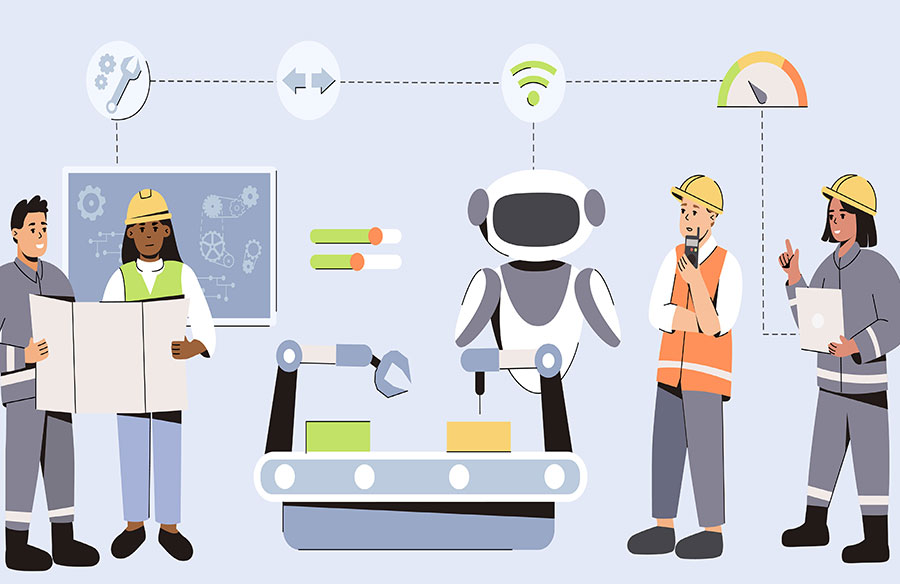
The integration of technology into workplace safety protocols is reshaping how organizations protect their employees. Innovative tools and systems are making it easier to identify risks, prevent accidents, and respond to emergencies. Here’s how technology is driving this transformation.
1. Real-Time Monitoring Systems
Advanced monitoring systems use sensors and IoT devices to track environmental conditions, such as temperature, air quality, and noise levels. These systems provide real-time data that helps mitigate risks before they escalate.
2. Safety Training with Virtual Reality (VR)
Virtual reality is revolutionizing safety training by offering immersive, hands-on experiences in a controlled environment. VR simulations prepare employees for real-world scenarios without exposing them to actual risks.
3. The Role of Lone Worker Technology
Lone workers face unique challenges, including limited access to immediate assistance in emergencies. Technology addresses these issues through platforms designed specifically for these individuals. A lone worker solutions platform offers features such as GPS tracking, automated check-ins, and emergency alerts, ensuring that employees working in isolation are always connected and protected. By leveraging these tools, organizations can significantly reduce the risks associated with working alone while boosting confidence and security for their workforce.
4. Wearable Safety Devices
Wearable devices equipped with sensors can detect falls, monitor vital signs, and send alerts during emergencies. These tools are especially beneficial in industries like construction, manufacturing, and healthcare.
5. Automated Safety Alerts
Automated alert systems notify employees of potential hazards, such as chemical spills or fire outbreaks. These systems can be integrated into broader workplace communication platforms for maximum efficiency.
6. Data-Driven Decision-Making
Advanced analytics tools process vast amounts of safety data to identify trends and recommend improvements. By leveraging this information, organizations can make informed decisions to enhance their safety protocols.
7. Drone Technology for Hazard Assessment
Drones are increasingly being used for safety inspections in hard-to-reach or hazardous areas. These devices can quickly identify potential risks, such as structural weaknesses or environmental hazards, without putting workers at risk.
8. Mobile Apps for Safety Management
Mobile apps allow employees and managers to report hazards, track incidents, and access emergency protocols instantly. These apps streamline safety management processes, making them more efficient and accessible.
9. Cloud-Based Collaboration Tools
Cloud technology facilitates better communication and coordination among safety teams. Real-time updates, shared documents, and centralized data storage ensure everyone is informed and aligned in their safety efforts.
10. AI-Powered Predictive Analytics
Artificial intelligence is being used to predict and prevent workplace incidents. By analyzing patterns and data from past events, AI systems can identify potential risks and suggest preventive measures, creating a safer work environment.
Technology has become an indispensable ally in workplace safety. From wearable devices to sophisticated lone worker solutions platforms, these innovations are making workplaces safer and more efficient. As technology continues to evolve, its role in protecting employees will only grow, paving the way for a safer future across industries.







