

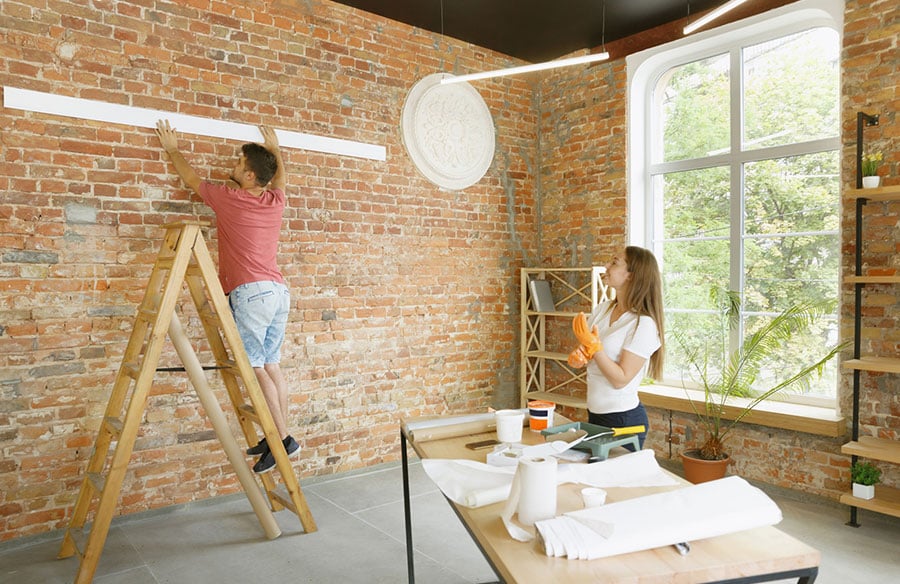
When it comes to enhancing your living space, home remodeling can be one of the most effective ways to achieve the look and functionality you’ve always wanted. Whether it’s a kitchen makeover, a bathroom overhaul, or a complete home renovation, remodeling offers endless possibilities for improving your home’s value, aesthetics, and comfort.
In this guide, we’ll dive into the key aspects of home remodeling, including the benefits, the process, and how to choose the right approach for your next project.
Why Home Remodeling is Worth the Investment
Many homeowners consider remodeling as a way to increase the value of their property, but the advantages go far beyond just improving resale potential. From enhancing functionality to creating a space that better reflects your lifestyle, remodeling is an investment that offers long-term rewards.
1. Increases Property Value
One of the most obvious reasons people invest in home remodeling is to increase the market value of their home. Whether you plan to sell soon or not, renovations such as kitchen or bathroom upgrades, fresh paint, or a new outdoor living area can give your home a significant value boost.
Key Remodeling Projects That Add Value:
- Modernizing the kitchen or bathrooms.
- Adding or improving outdoor living spaces.
- Upgrading home systems like HVAC, plumbing, or electrical.
- Adding a fresh coat of paint or replacing flooring.
2. Improves Functionality
Sometimes, the layout or design of your home no longer suits your needs. A remodel can reimagine the way your space is used. Maybe you want an open-concept living area or a more functional workspace. Remodeling allows you to address these changes and optimize the way your home serves your lifestyle.
How Remodeling Improves Functionality:
- Creating open spaces for better flow.
- Adding storage solutions like built-in shelving.
- Redesigning layouts to accommodate growing families or home offices.
3. Personalization and Comfort
As your family grows or your needs evolve, remodeling allows you to personalize your home to reflect your tastes and preferences. Whether it’s a new design trend or a specific feature you’ve always wanted, remodeling can make your home feel more comfortable and uniquely yours.
Personalization Options in Home Remodeling:
- Customized cabinetry or countertops.
- Upgrading fixtures and finishes to reflect your style.
- Creating themed rooms that enhance the overall vibe of your home.
Popular Home Remodeling Projects
The possibilities for home remodeling are practically endless, but some projects stand out as particularly popular due to their impact on both aesthetics and functionality. Let’s look at some of the most sought-after remodeling projects.
1. Kitchen Remodeling
The kitchen is often referred to as the heart of the home, and it’s where families spend a lot of time preparing meals, entertaining guests, and socializing. Remodeling your kitchen can significantly enhance its function and visual appeal.
Popular Kitchen Upgrades:
- Installing new countertops, cabinetry, and backsplashes.
- Upgrading appliances to energy-efficient models.
- Creating an island or breakfast bar for additional seating.
A well-designed kitchen remodel can also increase the overall flow of your home, making it more accessible and user-friendly.
2. Bathroom Renovation
Bathroom remodeling is another high-return investment for homeowners looking to update their space. Whether it’s a complete overhaul or a few minor changes, upgrading your bathroom can have a transformative effect.
Bathroom Remodeling Ideas:
- Adding modern fixtures such as rainfall showers or freestanding tubs.
- Installing new lighting and ventilation for improved ambiance.
- Opting for energy-efficient water fixtures to reduce utility costs.
Even small upgrades like a new vanity, mirror, or tile can make a big difference in creating a fresh, inviting bathroom.
3. Basement Finishing
Basements are often an underutilized space in many homes, but finishing your basement can unlock the potential for additional living areas or storage. A finished basement can serve as a family room, home theater, gym, or even a guest suite.
Benefits of Basement Remodeling:
- Adds livable square footage to your home.
- Creates a space for entertainment or family activities.
- Increases property value by expanding usable areas.
If your basement is already well-constructed but unfinished, this can be a relatively cost-effective remodeling project with a high return on investment.
4. Home Office Remodeling
In the era of remote work, a dedicated home office has become a priority for many homeowners. Remodeling a spare room or a portion of your living space into an office can improve both productivity and comfort.
Home Office Remodeling Tips:
- Incorporate ergonomic furniture and task lighting.
- Install shelving or cabinetry for efficient storage.
- Create a calming environment with color schemes and decor.
A functional home office can elevate your work-from-home experience and may even reduce distractions, helping you stay organized and efficient.
The Home Remodeling Process
Whether you’re planning a major renovation or a minor update, understanding the remodeling process is essential to ensuring a successful project. The steps involved in home remodeling can vary depending on the scale of the work, but generally, the process follows a similar outline.
1. Initial Consultation and Design
Every remodeling project begins with an idea or a vision. During the consultation phase, a remodeling contractor or designer will discuss your goals and needs. They will assess your space, provide input on design options, and help you create a plan that aligns with your budget and preferences.
Key Considerations During Consultation:
- Determining the scope of the project.
- Identifying any structural or design limitations.
- Setting a realistic budget and timeline for the remodel.
2. Planning and Budgeting
Once the design is finalized, the next step is planning the logistics and setting the budget. Remodeling projects can range from simple cosmetic updates to complex structural changes, so it’s important to plan thoroughly to ensure a smooth process.
Important Planning Steps:
- Obtaining permits and ensuring compliance with local building codes.
- Finalizing the list of materials and finishes.
- Establishing a project timeline with milestones.
3. Construction and Execution
The construction phase is where the transformation happens. Depending on the scale of the remodel, this phase could take several weeks or months. Contractors and skilled tradespeople will work together to carry out the design, making necessary adjustments along the way.
What to Expect During Construction:
- Demolition or preparation of the space.
- Installation of new features and materials.
- Regular updates from the contractor regarding progress.
During this phase, it’s important to maintain open communication with your contractor to ensure everything stays on track and within budget.
4. Finishing Touches and Clean-Up
Once the major construction work is completed, the final phase involves adding finishing touches such as painting, installing light fixtures, and performing final inspections. Afterward, the space will be cleaned, and you’ll be ready to enjoy your newly remodeled home.
Finishing Touches Include:
- Final coat of paint and touch-ups.
- Installing new hardware, such as faucets or cabinet pulls.
- Cleaning and organizing the space for move-in.
How to Choose the Right Home Remodeling Contractor
Choosing a reliable remodeling contractor is crucial for the success of your project. Here are a few tips for selecting the best professional for the job:
1. Look for Experience and Specialization
Select a contractor who has experience with the specific type of remodeling you need. Whether it’s a kitchen, bathroom, or full home remodel, having a specialized contractor ensures quality work.
2. Check References and Reviews
Before hiring, always check references and read reviews from previous clients. A reputable contractor should have a portfolio of completed projects and positive feedback from satisfied homeowners.
3. Get Multiple Quotes
It’s always a good idea to get quotes from several contractors to compare pricing, timelines, and the services offered. Make sure the quotes are detailed and break down the costs involved.
Conclusion
Home remodeling is a great way to transform your space and make it more functional, stylish, and comfortable. Whether you’re upgrading a single room or undertaking a whole-home renovation, the benefits of remodeling are undeniable. By following the proper steps and choosing the right contractor, you can turn your vision into reality and enjoy a home that better suits your needs. If you’re looking to start a project, consider home remodeling to unlock the full potential of your living space.







