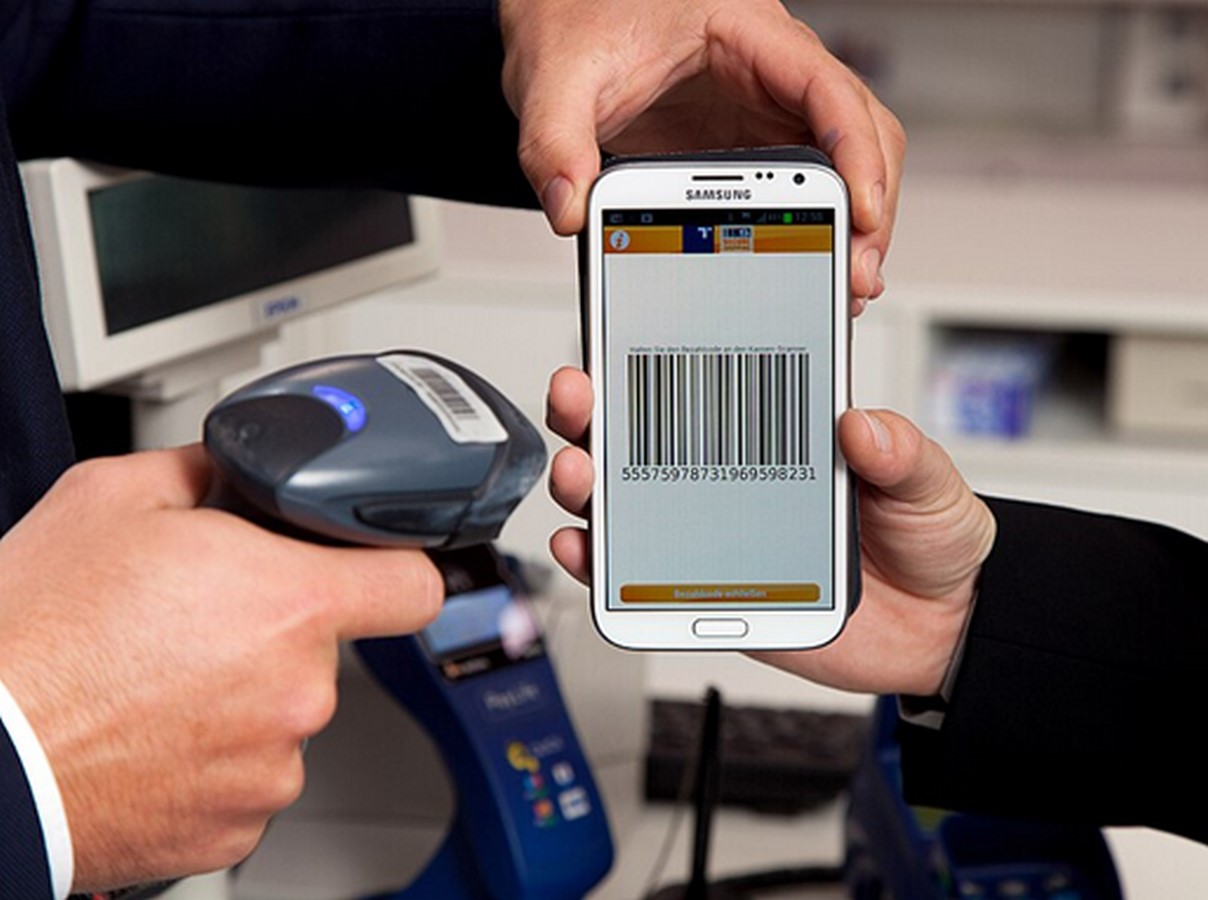
In every business, accounts payable (AP) and accounts receivable (AR) are the two financially critical areas related to payment processing. Needless to say, upgrading these can revolutionize the way payments are carried out.
Processing payments the traditional way involves performing tasks, like accounting and invoicing, manually. But this means long processing times and an increased risk of human error.
This is where payment automation comes in. It results in faster processing times, eliminated bottlenecks, streamlined operations, and a workforce that’s available to focus on the strategic aspects of the business.
According to a study, only 5% of mid-sized firms have fully incorporated automation in all of their processes, while 15% have automated three or more tasks. Further, nearly 44% have only automated one or two AP or AR tasks, whereas more than one-third are devoid of any automation. The study has also found that most mid-sized firms plan to automate their AP and AR operations.
The term ‘payment automation’ is no longer just a buzzword, but an unavoidable initiative for businesses that want to grow their revenue. Let’s learn about what it means and how it can help businesses bolster their revenue.
What Is Payment Automation?
Payment automation involves using technology-backed solutions to organize and manage payment processes in an organization. It helps by automating repetitive tasks such as fund transfers, invoice processing, payment approvals, and record-keeping. In this sense, automated payment systems reduce the need for manual intervention, minimize or even eliminate errors, accelerate transactions, increase efficiency, and save costs.
How Do Automated Payment Systems Work?
Automated payment systems work by creating a link between the organization’s payment system and customers’ credit cards or bank accounts. Money is transferred automatically as and when scheduled, which ensures that payments are timely with zero manual effort.
While this sounds easy, a lot of background work goes on to ensure the transactions are seamless.
Getting authorization: Customers are required to authorize the withdrawal of funds, and need to provide their credit card or bank account details for the transaction to proceed.
Scheduling payment: Upon receiving the authorization, the organization and customers can schedule payments.
Initiation of payment: According to the schedule, the automated payment system initiates a request to transfer the funds from the customer’s account to the organization’s account. This typically takes place with the help of an intermediary, like a bank or a payment processor.
Processing the transaction: The intermediary confirms the details of the requested money transfer, ascertains the sufficiency of funds in the customer’s account, and processes the payment. This is the stage when the actual fund transfer takes place.
Reconciliation: After the payment is processed, the customer as well as the organization receives a confirmation about it. The organization then reconciles the payment with its AR.
In case of payment failure due to insufficient funds or expired payment information, the system alerts both parties. Each party can then work towards resolving the issue.
For organizations, automation goes a long way in decreasing manual effort in tracking and obtaining payments, minimizing delays in receiving funds, and providing a more predictable revenue stream.
For customers, automated payment systems can offer convenience and a guarantee that payments will be timely, helping them skip service disruptions and/or late fees.
What Different Types of Payment Services Do Automated Systems Support?
Today, automated payment services are available in a number of forms. Let’s look at some common types that are supported by most automated payment systems.
Direct debit: Businesses can withdraw funds from customers’ bank accounts directly. It is commonly used if payments are recurring, such as when monthly or yearly, or any other kind ofsubscription billing may be involved.
Electronic Fund Transfer (EFT): Possibly the most used method of transferring money digitally, EFT includes electronic transfers, direct debits, and online bill payments. EFTs enable both one-time and recurring transfers.
Digital wallets: You’re probably familiar with names such as Apple Pay, Google Pay, and PayPal. These are examples of digital wallets that simplify payment procedures and offer stringent security. Digital wallets work for single and recurrent payments.
Online payment gateways: These are instrumental in enabling secure online payments on a company’s website or app. Payments can be processed through internet banking transfers, credit cards, UPI, and digital wallets.
Recurring credit card payments: Organizations can set up automatic deductions to a customer’s credit card for ongoing subscriptions or services. However, it usually attracts a higher transaction fee compared to direct debit.
Standing orders: Customers instruct their bank to pay a fixed amount of money to a specified business at timely intervals. Here, the payee cannot change the amount or the payment schedule.
SMS payments: Customers can authorize payments through a text message. This method is offered by businesses mainly due to the convenience it provides to customers when making micropayments via their mobile phones.
How Do Automated Payment Systems Enable Revenue Growth
All business activities are performed with the aim of revenue maximization. This includes the integration of automated payment systems as well. Mentioned ahead are some undeniable ways these systems help businesses increase their bottom lines.
1. Optimized Finances
Because they’re technology-based, automated payment systems help manage working capital and liquidity with ease. As a result, businesses can maintain a predictable payment inflow. This, in turn, helps them augment their short-term investment strategies, reduce the likelihood of idle cash, and ultimately help multiply their returns on the available capital.
2. Better Resource Allocation
Automated systems can perform tasks smoothly with minimal to no need for human intervention. This reduces the number of manual tasks to be performed by the human workforce. They can then redirect their time and effort towards more meaningful business activities such as planning, innovation, customer experiences, and market growth.
3. Refined Operations
Taking a cue from the above point, reduced human intervention in business operations also means lesser chances of human errors. This means repetitive tasks can be conducted with greater accuracy. In other words, automated payment systems can help businesses prevent financial loss and reputational damage while achieving operational resilience.
4. Data Analytics for Clear Insights
Automated payment systems use data analytics to gather and securely store customer data. They also help generate detailed insights on their payment behaviors and preferences, as well as market trends, customer lifetime value, and areas for improvement in providing financial services. Further, they equip businesses to acquire new customers and retain the existing ones by offering ease and reliability of payment processes.
5. Adherence to Regulatory Compliance
Modern automated payment systems are compliant with all necessary regulatory standards and security directives. As a result, they help businesses do the same: support their compliance requirements, eliminate risks related to data breaches and financial fraud, and enhance the security of payments (more on this in the next section). Further, these systems also empower businesses to manage diverse currencies and payment regulations when entering new global markets.
Are Automated Payment Systems Secure?
Maintaining the integrity of sensitive financial data is crucial for businesses. Your revenue will grow only if you take the right steps toward ensuring financial safety, security, and confidentiality. Fortunately, reliable automated payment systems use a variety of security measures to facilitate this.
1. Authentication
This is an important process for verifying that the party initiating a transaction or accessing sensitive data is, in fact, authorized to do so. Two-factor authentication (2FA) is an excellent example of this. It imposes an extra layer of security by asking people to provide dual authentication elements to verify their real identity.
2. Fraud Mitigation
Automated payment systems come equipped with advanced tools that oversee transactions in real-time for signs of fraud. In case it detects an anomaly, like an unusually large transaction, it is flagged and the concerned parties are alerted for immediate review and action, like air gap network that has been breached, or involving the cybercrime cell.
3. Encryption
This method involves converting information from its general format into a secure one that cannot be read by unauthorized users. When payments are processed, sensitive information (credit card numbers, Social Security Numbers, etc.) remains encrypted so hackers can neither detect nor decipher any data that is being transmitted.
4. Tokenization
Here, sensitive data elements are replaced with non-sensitive information known as tokens. These tokens carry no value and, therefore, cannot be exploited. Even if hackers detect the token, it won’t work without the key to decode it.
5. SSL and TLS Certificates
SSL (Secure Sockets Layer) and TSL (Transport Layer Security) are well-known and universally accepted technologies for creating a secure link between web servers and browsers. They secure all financial data being transmitted between them.
6. PCI DSS Compliance and Security Audits
PCI DSS refers to the mandatory requirement that directs businesses that handle (process, store, or transmit) credit card information to maintain a secure environment to protect it. Further, constantly monitoring and regularly auditing the payment systems can help discover and fix potential security loopholes, thus upholding the integrity of the digital infrastructure.
Conclusion
The way things are shaping up, automated payment systems will become increasingly favored over traditional payment methods by both businesses and customers. Businesses will need to embrace these systems along with the new opportunities they bring. After all, simplifying, streamlining, and protecting finances is one of the biggest aspects of revenue growth. Hopefully, this post has helped you understand the major role automated payment systems play in this endeavor.
Rethinking The Future (RTF) is a Global Platform for Architecture and Design. RTF through more than 100 countries around the world provides an interactive platform of highest standard acknowledging the projects among creative and influential industry professionals.
We use cookies to ensure that we give you the best experience on our website. If you continue to use this site we will assume that you are happy with it.