

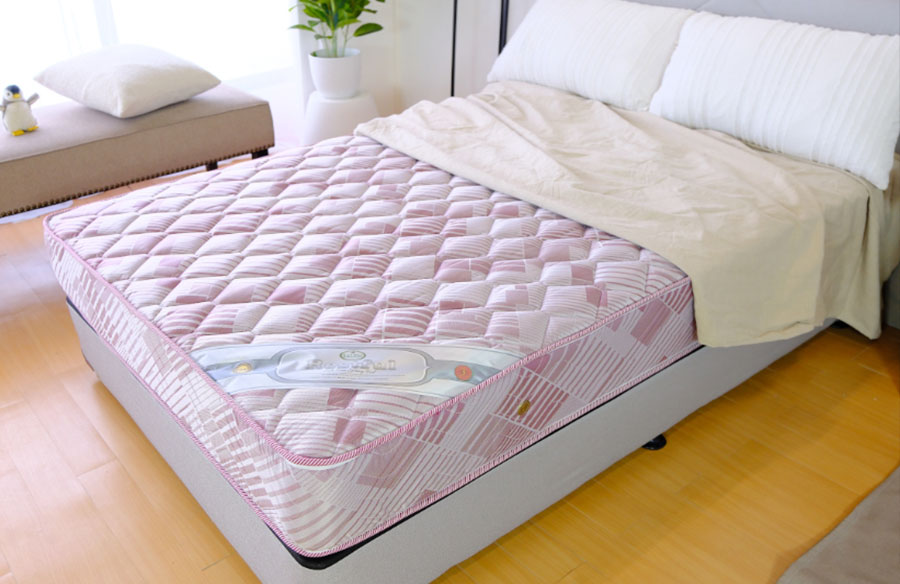
In today’s fast-paced world, interior design is no longer just about aesthetics; it’s about creating spaces that are functional, comfortable, and aligned with the ever-changing needs of modern life. As people look for smarter ways to live, they seek more than just beautiful décor; they want homes that support their lifestyle, preferences, and health. One of the key trends in modern interior design is the use of adjustable furniture for ultimate comfort and support, which allows for personalization and adaptability in a way that traditional furniture cannot. This article explores the role of innovation in interior design and how new concepts are transforming modern living spaces.
1. Smart Furniture for Flexible Spaces
Gone are the days when furniture was merely a static addition to a room. Today, furniture has become smarter, more flexible, and even multifunctional. One example is adjustable furniture, which allows individuals to customize their space according to their needs. Adjustable desks, chairs, and even beds are becoming increasingly popular as they provide flexibility for people who work from home or need different comfort levels throughout the day. These pieces not only enhance comfort but also support better posture, making them ideal for modern living.
For instance, an adjustable desk enables individuals to easily transition between sitting and standing positions, reducing the strain on their backs and improving circulation. Similarly, adjustable beds allow for personalized comfort, with features like adjustable headrests and footrests that can accommodate different sleep positions and health conditions.
2. Integrating Technology into Home Design
Technology is playing a huge role in shaping the future of interior design. From voice-activated lighting systems to temperature-regulating smart windows, technology is transforming how we interact with our homes. One of the most significant innovations in home design is the integration of home automation systems. These systems allow homeowners to control various aspects of their home environment, such as lighting, temperature, and security, with a simple command.
Smart home systems also help in creating more energy-efficient and sustainable living spaces. For example, smart thermostats learn the household’s habits and adjust the temperature accordingly, ensuring comfort while saving energy. Additionally, smart lighting systems can adjust the brightness based on the time of day or personal preference, creating a more dynamic and enjoyable environment.
3. Sustainable and Eco-Friendly Design
Sustainability is another key element driving innovative interior design today. With growing concerns about the environment, homeowners are seeking ways to reduce their carbon footprint and incorporate eco-friendly materials into their interiors. From renewable wood materials to energy-efficient appliances, sustainable design is not just a trend but a necessity.
One notable trend is the rise of eco-conscious furniture made from recycled or sustainable materials. These pieces not only minimize environmental impact but also contribute to creating a healthier home. Low-VOC paints, non-toxic finishes, and energy-efficient lighting fixtures are also becoming standard in modern homes, helping to create indoor environments that are healthier for both people and the planet.
4. Multifunctional Spaces
With the rise of smaller homes and apartments, multifunctional spaces have become a necessity. Innovative interior design focuses on maximizing space while ensuring it remains functional and comfortable. Furniture that serves more than one purpose is essential for these spaces. For example, a sofa that transforms into a bed or an ottoman that doubles as storage helps to optimize available space in smaller living areas.
Modular furniture is another excellent solution for small spaces. These pieces can be reconfigured as needed, allowing homeowners to change the layout of their space to suit different activities or occasions. This flexibility is a significant advantage in urban areas where space is often limited.
5. Open-Concept Living
Another hallmark of modern living is the open-concept floor plan, where walls and barriers are minimized to create more expansive and flexible spaces. Open-concept living areas allow for a free flow between the kitchen, living room, and dining area, creating a sense of openness and enhancing social interaction. To maintain the functionality of these spaces, innovative interior designers use clever furniture arrangements and dividers to define different zones without obstructing the flow of light and space.
Incorporating adjustable furniture in these open spaces can also help define zones and provide comfort in various areas. For instance, an adjustable lounge chair can create a cozy nook in an open space, while adjustable shelving units can be moved or reconfigured to accommodate changing needs.
6. Personalized Design Elements
Personalization is a key aspect of innovative interior design. Homeowners are increasingly looking for ways to make their spaces reflect their individual style and preferences. This can include custom furniture pieces, unique color schemes, and personalized artwork. The ability to tailor spaces to personal tastes creates a sense of ownership and comfort.
Incorporating elements like custom lighting, wall art, and even personalized furniture (such as bespoke adjustable chairs or tables) adds character to a home. Moreover, with the rise of 3D printing technology, homeowners can now create one-of-a-kind design elements that are completely unique to their living space.
7. Minimalism Meets Functionality
While bold designs and striking colors have their place in interior design, the minimalist approach has become increasingly popular in modern homes. The minimalist design philosophy focuses on clean lines, neutral colors, and functional pieces that eliminate clutter while enhancing the flow of space.
However, minimalism doesn’t mean sacrificing comfort. Innovative designers combine minimalist design with functional furniture that supports a modern lifestyle. Pieces like modular sofas, multifunctional coffee tables, and adjustable storage systems fit perfectly within minimalist interiors, offering both style and practicality.
8. Wellness-Centered Design
In recent years, there has been a growing emphasis on wellness and mental health, and interior design has responded to this shift. Homes are no longer just places to live; they are seen as sanctuaries that promote physical and emotional well-being. Designers are now focusing on creating spaces that support relaxation, reduce stress, and improve sleep quality.
Biophilic design, which incorporates natural elements like plants, water features, and natural light, is gaining popularity. Additionally, ergonomic furniture, like adjustable chairs and desks, is becoming more common in home offices and living spaces, helping to reduce strain on the body and promote better posture.
9. The Future of Interior Design
As we look toward the future, interior design will continue to evolve in response to technological advancements, environmental concerns, and changing lifestyle needs. Smart, sustainable, and multifunctional furniture will remain at the forefront of these innovations. Adjustable furniture, in particular, will play a significant role in enhancing comfort and adaptability, allowing homeowners to easily modify their space for work, relaxation, or social activities.
Incorporating these innovations into home design will not only create more comfortable and functional living spaces but also ensure that they are adaptable to future needs. The possibilities are endless, and the future of interior design is as dynamic and diverse as the people who live in these spaces.
Conclusion
Innovative interior design is reshaping modern living by focusing on comfort, functionality, and adaptability. From adjustable furniture for ultimate comfort and support to sustainable materials and smart technology, these innovations are transforming how we live in and interact with our homes. As we continue to embrace these changes, interior design will evolve to meet the needs of the modern world, ensuring that our homes are not just places to live but environments that support our lifestyles, well-being, and growth.







