

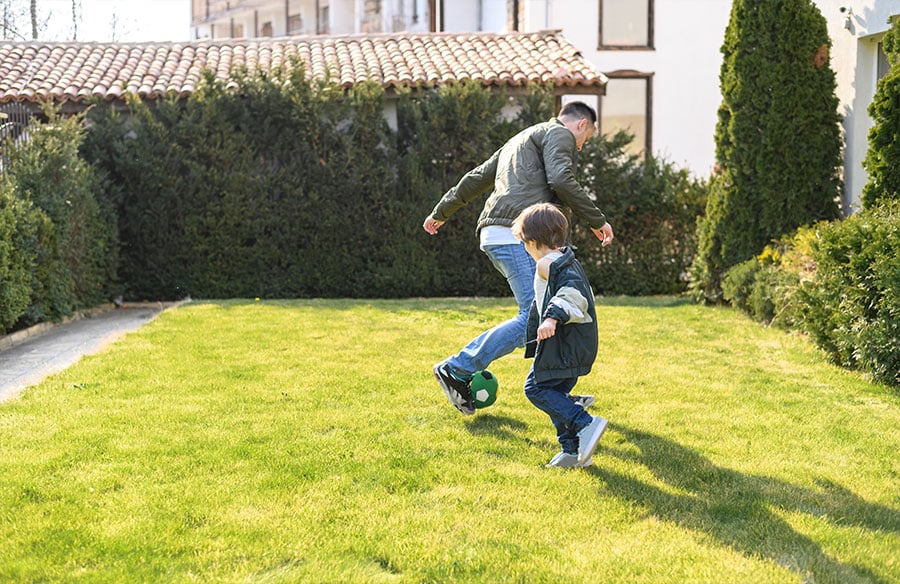
Artificial turf offers a low-maintenance alternative to natural grass for your backyard. Installing synthetic grass can transform your outdoor space into a lush, green oasis that stays pristine year-round with minimal upkeep. This home improvement idea provides a durable surface for activities and reduces water consumption.
You can install artificial turf yourself with some preparation and the right tools. The process involves removing existing grass, preparing the ground, laying a base material, and securing the turf. Proper installation ensures longevity and a realistic appearance.
Synthetic grass comes in various styles and textures to suit different preferences and needs. By choosing the right type for your backyard, you can create an inviting outdoor area that complements your home’s aesthetic while saving time and resources on lawn care.
Planning and Preparation
Proper planning, choosing a suitable residential turf company such as Artificial Grass Burlington, and preparation are crucial for a successful artificial turf installation. Assessing your needs, selecting the right turf, and gathering the necessary tools will set you up for a smooth project.
Determining Your Needs
Consider the purpose of your artificial turf. Will it be used for a play area, pet space, or purely aesthetic reasons? Measure the area you plan to cover accurately. Take note of any slopes or uneven surfaces that may require additional preparation.
Factor in foot traffic expectations. High-traffic areas may need more durable turf varieties. Consider sunlight exposure and shade patterns in your yard, as these can affect turf selection and maintenance requirements.
Choosing the Right Turf
Select a turf type that matches your specific needs. Examine samples for color, blade length, and texture. Opt for UV-resistant varieties to prevent fading in sunny areas.
Look for turf with proper drainage capabilities. Some types feature perforated backing for enhanced water flow. Consider the pile height and density based on your intended use.
Check the warranty and expected lifespan of different turf options. Higher-quality turfs often come with longer guarantees and better durability.
Tools and Materials
Gather essential tools: a utility knife, tape measure, rubber mallet, and power broom. You’ll need a wheelbarrow for transporting base materials and a plate compactor for levelling.
Base materials typically include crushed stone or decomposed granite. Calculate the required amount based on your area measurements. Don’t forget the weed barrier fabric to prevent unwanted growth.
Purchase turf adhesive and seaming tape for joining sections. Infill material, such as silica sand, helps keep turf blades upright. Ensure you have enough turf to cover your area with some extra for mistakes.
Installation Process
Proper installation is crucial for a long-lasting turf lawn and attractive artificial turf lawn. The process involves several key steps to ensure a professional result.
Ground Preparation
Remove existing grass and vegetation from the area. Excavate 3-4 inches of soil, ensuring a slight slope for drainage. Compact the soil using a plate compactor.
Install a weed barrier fabric over the prepared ground. This prevents weed growth and provides a stable foundation.
Laying the Base
Spread a layer of crushed stone or decomposed granite as the base material. Aim for a 2-3 inch depth across the entire area.
Use a rake to level the base material. Compact it thoroughly with a plate compactor, making multiple passes in different directions.
Installing the Turf
Unroll the artificial grass, allowing it to acclimate for 1-2 hours. Trim the turf to fit the area using a sharp utility knife.
Position the turf carefully, ensuring the blade direction is consistent. Avoid stepping on or disturbing the base material during this process.
Securing and Seaming
Secure the turf edges using landscape staples or nails every 6-8 inches. Pay extra attention to corners and high-traffic areas.
For larger areas requiring multiple turf pieces, use seam tape and adhesive. Align the edges carefully and press them together firmly.
Trim any excess turf around obstacles or edges. Brush the turf fibers upright using a power broom or stiff bristle brush.
Finally, add infill material like silica sand to provide weight and support the turf fibers. Spread it evenly and brush it into the turf.
Post-Installation Care
Proper maintenance ensures your artificial turf stays pristine for years to come. Regular care protects your investment and keeps the surface looking fresh and inviting.
Infill Application
Apply infill material evenly across the synthetic turf surface. Use a drop spreader for uniform distribution. Brush the infill into the fibers with a power broom or stiff-bristled brush. This process helps stabilize the turf and provides a more natural feel underfoot.
Add infill in layers, working it into the fibers between applications. The recommended infill depth varies by turf type, typically ranging from 1-2 inches. Check with your manufacturer for specific guidelines.
Ensure proper infill levels in high-traffic areas. Reapply as needed to maintain an even surface and protect the turf backing.
Surface Maintenance
Regularly remove debris from your artificial grass with a leaf blower or flexible rake. This prevents organic matter from decomposing on the surface. Rinse the turf occasionally with a hose to remove dust and pollen.
Address spills promptly to prevent staining. Blot liquids with a clean cloth and rinse the area thoroughly. For stubborn stains, use a mild detergent solution and scrub gently with a soft brush.
Brush the turf fibers periodically to keep them upright and prevent matting. Use a stiff-bristled broom or a specialized turf rake, working against the natural grain of the grass.
Avoid placing heavy objects on the turf for extended periods. Rotate furniture and decorative items to prevent permanent indentations on the surface.
Hiring a Professional Installer
Professional installation ensures proper turf placement and longevity. Experts have the tools and knowledge to create a seamless, durable artificial lawn.
Assessing the Benefits
Professional installers bring specialized equipment and expertise to your project. They can efficiently handle site preparation, including removing existing grass and leveling the ground. Experts precisely measure and cut the turf to fit your yard’s unique shape.
Professionals ensure proper drainage by creating a stable base layer. They skillfully join turf sections for a seamless look. Their experience allows them to navigate obstacles like trees or patios with ease.
Hiring pros often come with warranties on both materials and workmanship. This provides peace of mind and protection for your investment.
Finding a Reputable Installer
Start your search by asking for recommendations from friends or neighbors with artificial lawns. Check online reviews and ratings for local turf installation companies. Look for installers certified by major turf manufacturers.
Request quotes from multiple providers after you have researched artificial turf costs online. Ask about their experience, materials used, and installation process. Inquire about the types of turf blades available and which best suit your needs.
Verify that potential installers are licensed and insured. Ask to see examples of their previous work or visit completed projects. Choose a company that offers clear communication and detailed contracts.







